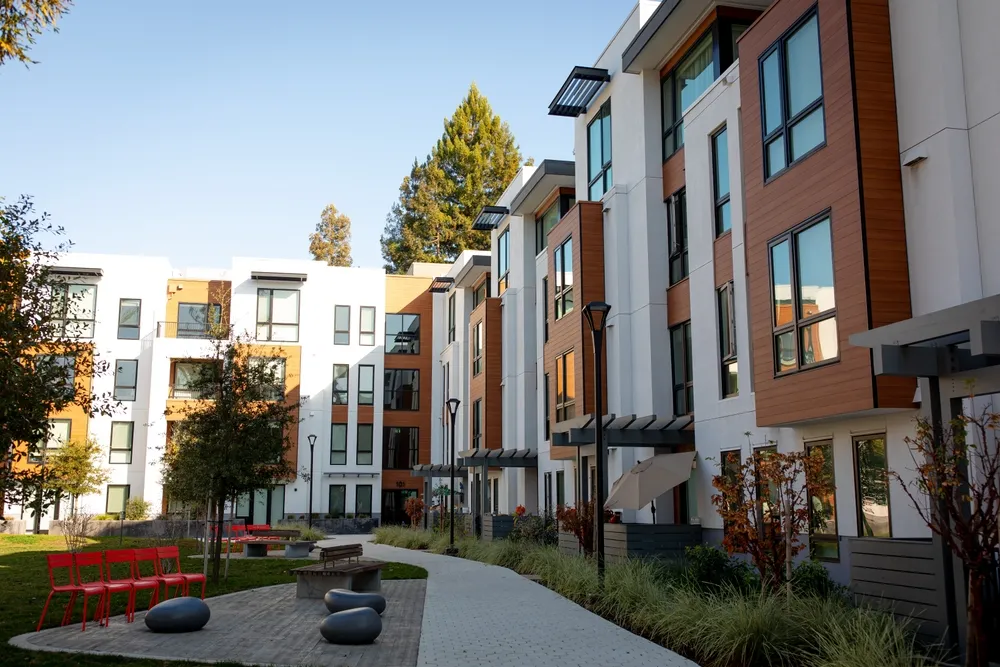
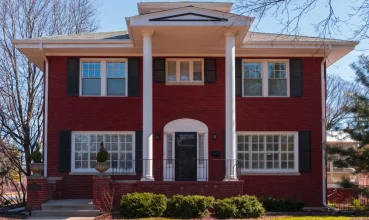
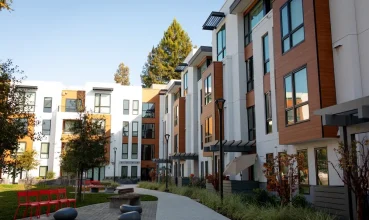
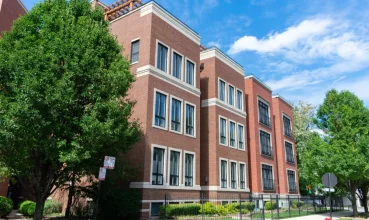
Buildings that broke ground during the low-rate environment of 2020 to 2022 are completing at once. The resulting inventory surge is pressuring landlords who expected to hold pricing power.
Philadelphia’s rental market is absorbing this wave of new apartment inventory. Developers set it in motion years ago, when they locked in favorable financing during the pandemic and began construction on larger multifamily buildings. Those projects are now completing at the same time, creating a supply glut in a market that looks very different from the one developers originally underwrote.
Ariel Morgenstein, Director of Sales / Sales Operations Manager at JG Real Estate, says the convergence of these completions is one of the defining pressures on Philadelphia’s rental market right now. “All of that new construction that happened at that time is now finishing,” Morgenstein says. “All of those units are coming on the market at the same time.”
Pressure on Existing Landlords
The result is a flood of rental apartments hitting the market simultaneously. This is shifting negotiating leverage toward tenants and away from landlords accustomed to strong demand and rising rents.
Smaller landlords are feeling this pressure most directly. These are owners operating individual units or small buildings rather than large institutional properties. When a significant volume of new, amenity-rich inventory enters a market at once, it sets a competitive benchmark that older or less-updated properties struggle to match.
Morgenstein says a typical landlord “might not be able to get the price that they would expect to get because you have so much new inventory on the market.” Philadelphia has a large population of small-scale residential investors. Many structured their financial models around rental income assumptions that were reasonable two or three years ago. The new supply is now testing those projections in real time.
Institutional Demand Cushions Impact
Philadelphia’s rental market has a structural feature that partially insulates it from supply shocks. The city’s concentration of universities and hospitals creates a recurring tenant base that refreshes on a predictable schedule. Morgenstein notes that the market tends to be “super, super cyclical” as it pertains to rentals, moving in line with the academic calendar because of the density of colleges in and around the city.
Well-located properties near hospitals and universities are less exposed to the new supply pressure than properties in purely residential neighborhoods. A landlord operating near Pennsylvania Hospital or the Children’s Hospital of Philadelphia draws from a tenant pool that is replenished annually. This tenant pool has specific locational requirements that new construction in other parts of the city cannot easily replace.
Properties that lack proximity to these institutional anchors face a more direct competitive challenge. For those landlords, the supply wave is showing up in longer vacancy periods and pressure to hold rents flat.
Sales Market Adds Pressure
The supply surge is not happening in isolation. Philadelphia’s sales market is also slower than it was during the pandemic years, and the two dynamics reinforce each other. Morgenstein says interest rates are weighing heavily on entry-level buyers looking at homes in the $200,000 to $250,000 range. “A change in the interest rate impacts them substantially,” she says. Buyers who qualified a month ago may no longer qualify after a small rate increase.
At the same time, homeowners who locked in low rates during the pandemic are reluctant to sell and take on a higher rate. This is limiting the supply of existing homes for sale. That lock-in effect keeps some would-be buyers in the rental market longer. Even so, their continued presence as tenants is not enough to absorb the volume of new units now available.
Morgenstein says overpriced listings are the ones sitting longest. Properties priced at market value and presented well, with clean staging and strong photography, still move. “If you don’t have an offer within the first two weeks, something’s wrong,” she says. “It’s either the price or the way that the listing is showing.”
Hold or Sell
For investor-landlords weighing their options, Morgenstein’s advice depends on their timeline. Those with well-located properties and the financial flexibility to wait should hold. “If you have the ability to hold for another five to seven years and you’re comfortable doing that, then I recommend doing that,” she says, “because the market is cyclical and we’re going to see it bounce back.”
For those who need to sell, she says buyers are still active. However, sellers should not expect peak pricing. The current environment favors buyers willing to deploy capital now with the expectation of refinancing when rates eventually decline.
The near-term outlook, according to Morgenstein, is difficult to forecast. “Anything that I feel like I could predict today might be very different in a week,” she says. For Philadelphia’s rental landlords, the most concrete reality is the one already here: more units competing for the same tenants, and pricing power that has shifted accordingly.
About the Expert: Ariel Morgenstein is Director of Sales and Sales Operations Manager at JG Real Estate, a full-service brokerage handling leasing, sales, and property management in Philadelphia.
This article is intended for informational purposes only and does not constitute legal, financial, or investment advice. The views and opinions expressed herein reflect those of the individuals quoted and do not represent an endorsement of any company, product, or service mentioned. Readers should conduct their own due diligence and consult qualified professionals before making any investment decisions.