In a Chambersburg-area neighborhood where homes sell for $800,000 and above, one family bought a property for just over $400,000. The discount had nothing to do with location or structural problems. The home was missing a deck.
That gap between purchase price and neighborhood ceiling illustrates a pattern Sally Chaplin, of The Chaplin Group, and her daughter and business partner, Maryssa Chaplin, are tracking across central Pennsylvania. Outdoor living space is driving buyer premiums more than interior finishes, and properties that lack it may be systematically underpriced.
The Chambersburg Deal
The buyers, a family approximately five years from retirement, came to Sally Chaplin with a specific plan: purchase a home they could renovate, live in for five years, and sell at a meaningful gain. They had already proved the model worked. Their previous home sold for the highest price its neighborhood had ever recorded.
The property Chaplin identified had a two-story walkout area that the original owners had fenced off instead of finishing. Indoor condition issues compounded the problem. Comparable homes in the neighborhood traded at $800,000 and above, but this one sold for just over $400,000.
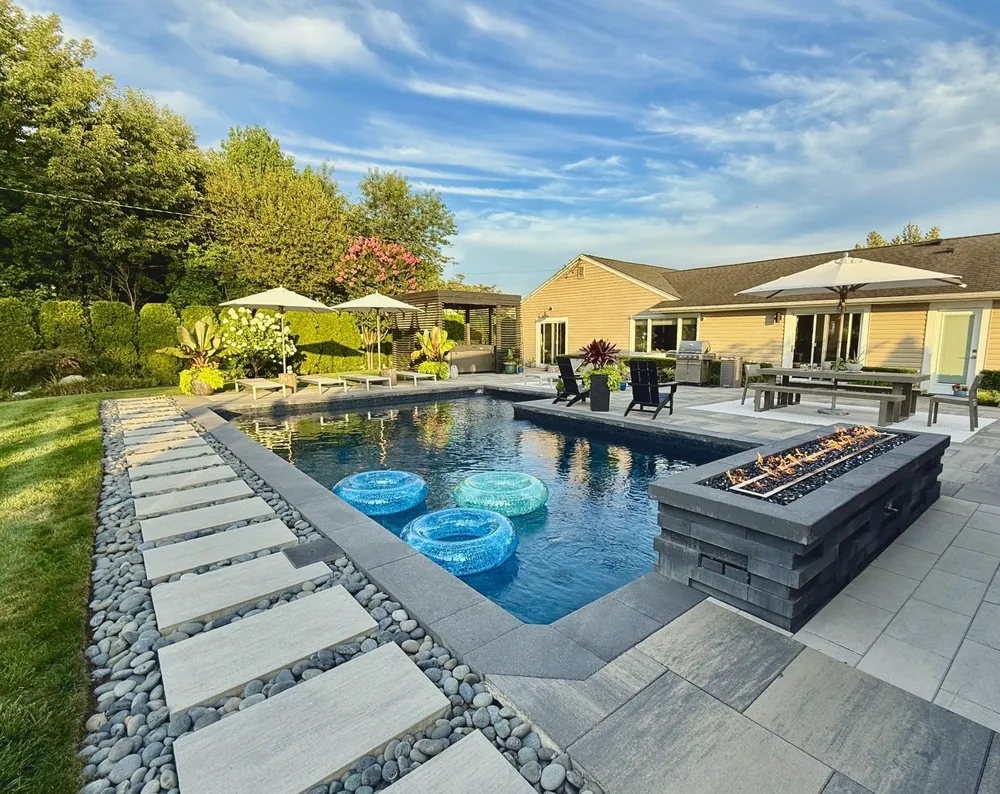
Chaplin’s advice was to direct the renovation budget toward outdoor space first, including the deck, lighting, and fire pit area, and handle interior cosmetic updates second. “This is where they’re going to get their return on investment,” she says, “by focusing on the outside as well as doing some cosmetic things on the inside.”
Outdoor Space Commands Premiums
Chaplin describes the shift in terms of how buyers think about their homes in 2026. Across demographics, buyers want properties that function as a refuge from demanding schedules. Outdoor space has become the physical expression of that need. “People are looking for that outdoor space for relaxation and fire pits, for lighting, to be able to sit back and relax on weekends,” she says. “They are really looking for that space, that haven where they can just renew themselves from their hectic weeks.”
Maryssa Chaplin adds that millennial buyers, roughly ages 30 to 45, are prioritizing move-in readiness and livability over high-end interior finishes. A functional, well-designed outdoor area fits that preference directly.
The community dimension reinforces the pattern. Maryssa Chaplin points to neighborhoods with pools, food trucks, and organized events as drawing strong buyer interest. The desire for outdoor social space extends beyond individual properties to the broader neighborhood environment.
For investors, the practical takeaway is that a missing deck, an unfenced yard, or an unused walkout may create a steeper discount than a dated kitchen. Interior deficiencies are visible and easy for buyers to price. Outdoor deficiencies are harder for buyers to picture as correctable, which creates a gap that a renovation-focused investor can close.
Finding the Right Property
Chaplin is direct about how uncommon these opportunities are. “It’s rare that you can find a find like that,” she says. “You’ve got to be looking for it. And you just got to know when to strike and where to strike.”
Her approach with investor clients centers on identifying properties where the gap between current condition and neighborhood comparables traces to specific, correctable deficiencies, not location or structural problems. In central Pennsylvania, that search is supported by a broad economic base that includes state government, military installations, healthcare systems, universities, and logistics operations, all of which help keep demand steady. Chaplin notes that the region did not suffer the same downturn as much of the country during the 2008 market crash and has maintained consistent demand since.
Rental demand adds another layer. Military personnel rotating through the Army War College, university affiliates, and corporate relocations all drive leasing activity. Chaplin describes the rental market as operating at a high premium, meaning the same outdoor-space logic applies to rental properties, where tenants also factor outdoor access into their decisions.
The Pricing Discipline That Makes It Work
Finding an undervalued property is only half the equation. Maryssa Chaplin notes that across central Pennsylvania, homes priced correctly based on comparable sales typically go under contract within the first one to two weeks. Homes that sit longer than three weeks usually have a condition issue, a pricing issue, or both.
That discipline applies on the buy side as well. The Chambersburg family’s previous success, selling for the highest price their neighborhood had seen, came from the same approach applied in reverse: renovate to match or exceed the neighborhood standard, then price based on what comparable homes actually sell for, not what the renovation cost.
Chaplin says the family’s plan is to repeat that cycle over five years, with outdoor space as the primary value driver. In a neighborhood where the ceiling sits at $800,000 and above and the entry point was just over $400,000, the renovation budget does not need to close the entire gap to produce a strong return. It needs to bring the property close enough to comparable homes that buyers stop discounting it.
About the Expert: Sally Chaplin and Maryssa Chaplin are a mother-daughter real estate team serving central Pennsylvania, having helped more than a thousand families buy and sell since Sally entered the business in 2007.
This article is intended for informational purposes only and does not constitute legal, financial, or investment advice. The views and opinions expressed herein reflect those of the individuals quoted and do not represent an endorsement of any company, product, or service mentioned. Readers should conduct their own due diligence and consult qualified professionals before making any investment decisions.