Hospitals and medical schools do more than create jobs. They bring a steady flow of students, residents, and physicians who need somewhere to live, and over time that flow reshapes a housing market. In the Rio Grande Valley of South Texas – a cluster of cities including McAllen, Edinburg, and Mission that together form a tri-city corridor along the Mexican border – the effect is now hard to miss. Over the past decade, healthcare has become the region’s economic anchor, and housing demand has followed it.
Ingrid Cepeda, a real estate professional with eXp Realty’s Access Group based in the Valley, sees the results daily: doctors relocating to the region, and investors buying rentals to house students and medical workers. “We have tons of people that are looking for a place to live and stay,” she says.
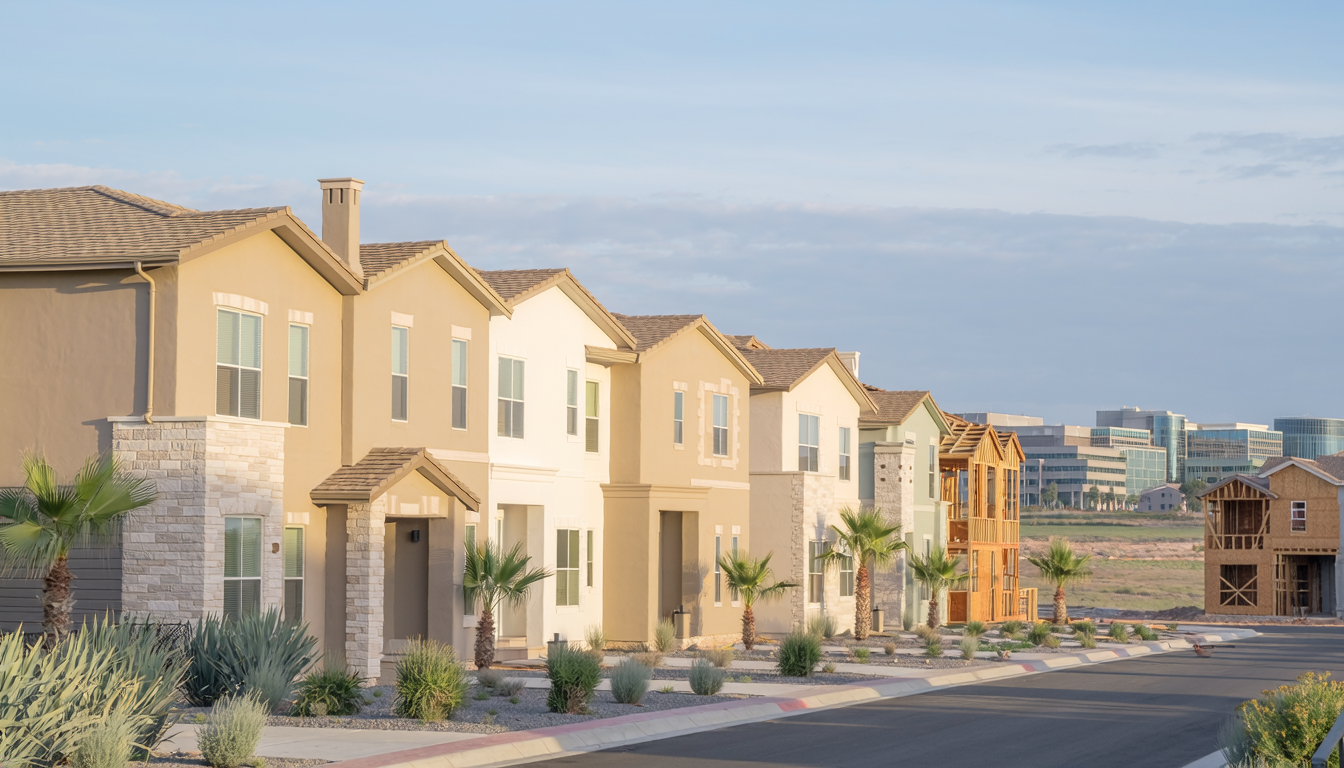
That demand is holding up even as supply grows. The Valley has about nine months of housing supply, according to Texas Realtors data, roughly double what a balanced market carries. Yet sales rose about 19% year over year this spring, and new subdivisions keep going up.
A Healthcare Pipeline
Healthcare has grown into one of the Valley’s largest economic engines, with a regional study putting its impact at $13.7 billion over a decade. A full medical school at the University of Texas Rio Grande Valley anchors it. Beyond the jobs it creates, it brings a steady stream of students, residents, and relocating professionals who need housing – often temporarily, which makes rental properties viable in a way that pure residential demand might not. That dynamic is most visible in Edinburg, where townhome and multifamily projects are drawing investor interest.
The result is a rental market with dependable demand, and it is drawing capital from well beyond the region. Many investors buy without living locally and rely on property managers, Cepeda says, while first-time buyers often use FHA loans to buy a fourplex, live in one unit, and rent out the other three. Lower entry costs than coastal markets keep the appeal strong.
Who’s Actually Buying
The buyer mix has shifted noticeably over the past several years. Five years ago, according to Cepeda, relocating Californians and veterans made up much of the out-of-town demand. Veterans remain a significant presence – the area’s affordability and family-oriented character continue to draw them – but the more recent wave includes doctors relocating to the region, work-from-home employees from Houston and San Antonio, and international buyers.
Cross-border demand from Mexican nationals adds another layer. Cepeda, whose own family is Mexican, notes that these buyers need guidance not just on properties but on procedural differences. In Mexico, buyers are accustomed to completing a transaction through a single notary. In South Texas, the process involves multiple parties and significantly more paperwork. “You have five people, five different people that you have to go through,” Cepeda says. “The procedure is a lot more formal.”
The motivations for purchasing vary widely – primary residences, investment properties, homes for aging parents. Cepeda describes receiving a call from a buyer purchasing a home for two senior citizens whose adult daughter was living in Dubai. The Valley’s draw, she says, comes down to space and calm. Compared to dense cities like Monterrey or New York, the region offers room to spread out at a fraction of the cost.
New Construction Leads
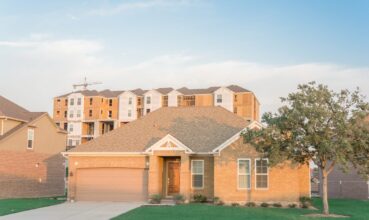
With that much supply on the market, prices have softened somewhat, but not every segment is sitting. New construction is the clear preference for relocating buyers, many of whom arrive from pricier markets. Cepeda says a $600,000 budget that buys an ordinary home in Dallas can buy a larger or custom-built home in the Valley.
For existing homes, the edge goes to well-marketed listings that reach out-of-state buyers before they ever visit. “Accessibility to that property, marketing the property is where it’s going to matter most,” Cepeda says.
Common Market Misconceptions
Both sides of the transaction tend to miscalculate. Sellers in areas that were once on the city’s periphery sometimes undervalue their properties, unaware that commercial development or university expansion has changed the surrounding landscape. Buyers, meanwhile, often assume they need large down payments or high credit scores. The financing landscape in the Valley includes zero-down-payment programs, rate buydowns, hard money loans, private lending, and owner financing – a range broad enough that Cepeda’s standard advice is to disclose your financial situation and let the lender match a loan to it.
“A lot of people believe that it’s very hard to purchase a home or property, even an investment property, and it’s not always the case,” she says.
Retail Keeps Expanding
The investment case extends beyond residential. The Valley’s position as a retail destination for shoppers from northern Mexico sustains a commercial sector that keeps adding national brands. Nordstrom Rack was scheduled to open its first Valley location in McAllen in late October, and Burlington added stores in Mercedes and McAllen this fall.
“Every day there’s more land acquisition, more investment properties being built,” Cepeda says. For buyers and investors weighing a market with nine months of inventory, the open question is whether that number reflects softening demand or a region adding supply faster than it can be absorbed. Rising sales alongside slipping list prices suggest elements of both, and the answer may vary by price point and property type.
About the Expert: Ingrid Cepeda is a real estate professional with eXp Realty’s Access Group, based in the Rio Grande Valley of South Texas.
This article is based on information provided by the expert source cited above. It is intended for general informational purposes only and does not constitute legal, financial, or real estate advice. Readers should conduct their own research and consult qualified professionals before making any real estate or financial decisions.