
First-Time Buyers in Monmouth County, New Jersey Can Purchase Homes With Far Less Than 20 Percent Down


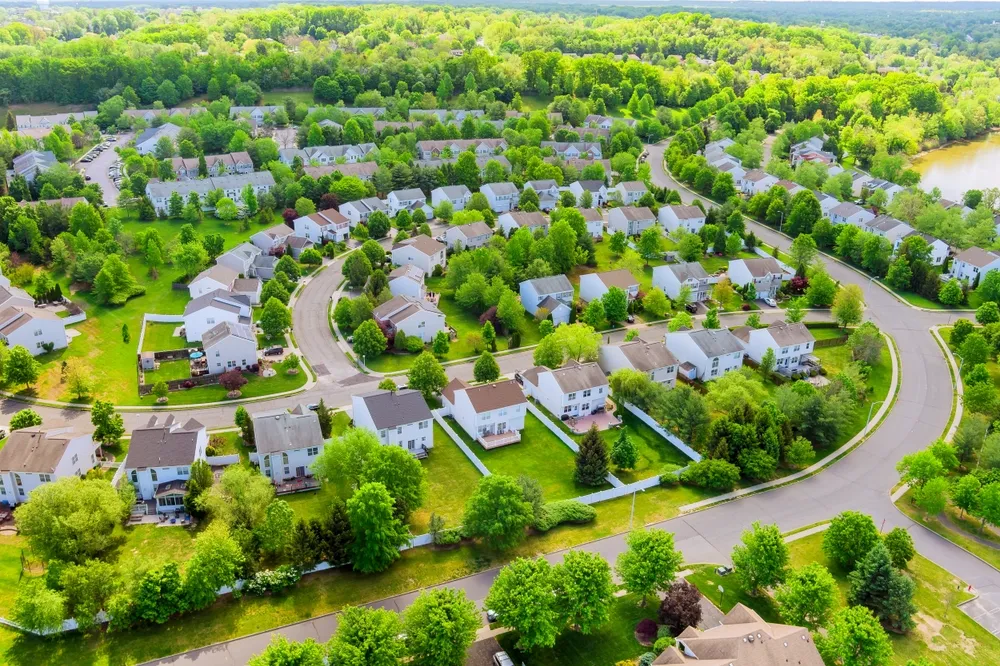
Many first-time buyers in New Jersey delay purchasing for years because they believe they need 20 percent down. According to Anastasia Cafiero, a Realtor with Realty ONE Group Central who serves Monmouth County’s Freehold, Marlboro, and Manalapan areas, that belief is wrong, and the actual entry point is low enough that some renters could buy now with savings they already have.
Cafiero says buyers routinely tell her they need 20 percent down before they can purchase. She traces the belief to informal advice – things heard from friends or read online – rather than conversations with lenders or housing counselors. The result is that people who could qualify for a mortgage today spend years saving toward a threshold that was never required.
The actual numbers in New Jersey involve layered assistance programs most first-time buyers never explore. Cafiero points to a $15,000 grant available to first-time buyers in Monmouth County toward closing costs. An additional $7,000 may be available if the buyer’s parents did not own a home in the previous three years. Combined with an FHA loan requiring just three and a half percent down, the out-of-pocket figure drops sharply.
“You could literally buy a house with just $10,000 in your bank account,” Cafiero says. That figure contrasts starkly with the $60,000 or $80,000 many renters assume they need before they can start shopping.
The gap between perception and reality costs buyers more in a market like Monmouth County, where prices are climbing and inventory is tight. According to Cafiero, inventory is currently at a 2.7-month supply, well below the five to six months that indicates a balanced market, and prices continue rising. Every month a buyer spends saving toward a fictional 20-percent threshold is a month where home values may rise faster than their savings. The delay itself becomes a cost.
Buying with minimal down payment carries trade-offs. Putting less than 20 percent down typically means paying mortgage insurance, which adds to monthly costs. It also means starting with less equity, a cushion that matters if the market dips or if a buyer needs to sell sooner than planned. A buyer who stretches to the absolute minimum down payment and then faces an unexpected expense can find themselves financially constrained.
Still, Cafiero frames the core issue as education rather than affordability. “A lot of people think it’s unachievable because of the lack of information and education,” she says.
Grant programs like those Cafiero describes are not unique to Monmouth County. Many states and counties offer similar first-time buyer assistance, though amounts, eligibility requirements, and application timelines vary. Some programs require homebuyer education courses, some have income caps, and some are first-come-first-served with limited annual funding. A buyer who assumes the money will be there when they are ready to close may discover the program’s allocation has already been claimed for the year.
For renters in New Jersey who have assumed ownership is out of reach, the practical step is speaking with a licensed mortgage professional who can run the numbers with current programs factored in, not relying on informal advice or online searches. The answer may still be “not yet,” but in Monmouth County specifically, that $15,000 grant plus the potential additional $7,000 represents meaningful money toward a purchase that many buyers have already mentally disqualified themselves from.
About the Expert: Anastasia Cafiero is a Realtor with Realty ONE Group Central, with over a decade of experience serving the central towns of Monmouth County, New Jersey.
This article is intended for informational purposes only and does not constitute legal, financial, or investment advice. The views and opinions expressed herein reflect those of the individuals quoted and do not represent an endorsement of any company, product, or service mentioned. Readers should conduct their own due diligence and consult qualified professionals before making any investment decisions.
Similar Articles
Explore similar articles from Our Team of Experts.


So you’re moving to a new city, and the research has already begun. You can learn a metro’s prices, tax rates, and school ratings from a thousand miles away. What the research can’t show you is which neighborhood fits the life you’ll actually lead there. Helping you close that gap is now central to a ...
The Department of Veterans Affairs has narrowed the list of property conditions that can hold up a VA-backed purchase. Under an update to the VA’s Lender’s Handbook, appraisals ordered from May 1, 2026, no longer require repairs for peeling paint on homes built in 1978 or later, or for defects in detached sheds and garages. ...
When 60 to 70 percent of buyers in a market are spending accumulated real estate wealth rather than current earnings, the market operates by different rules than national economic indicators suggest. In Santa Barbara, that disconnect between price levels and income-based affordability is not a temporary distortion – it is the market’s defining feature, according ...
In most of Bucks County, Pennsylvania, the housing market runs on familiar suburban logic: limited inventory, competitive bidding, and first-time buyers stretching to qualify. In Pipersville, at the county’s northern edge, the math works differently. Farms outnumber listings, acreage is measured in dozens rather than fractions, and the buyers who show up are coming from ...
Prospective homebuyers waiting for mortgage rates to fall may be waiting for conditions that only a major global crisis would create. Current 30-year fixed mortgage rates of about 7.25% are not an anomaly, according to Jason Huerkamp of Huerkamp Home Group in the Twin Cities. That figure matches the historic 50-year average. The low rates ...