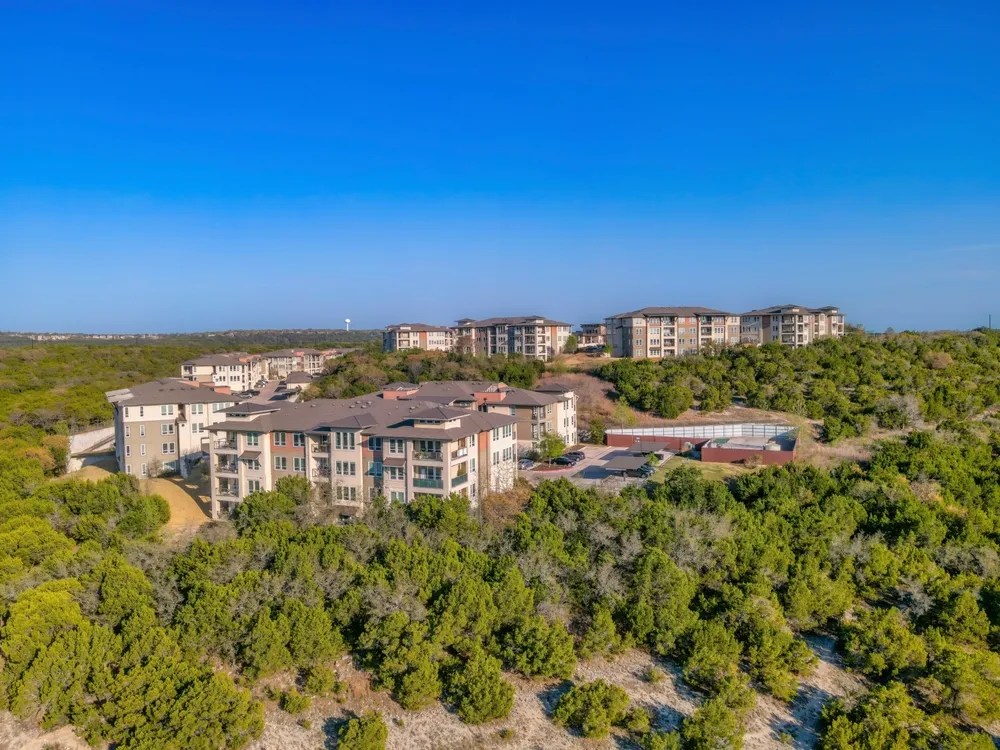
When rents climb, or new construction runs over budget, most people blame material costs or labor shortages. But in fast-growing Sun Belt metros, a less visible problem is inflating project budgets: the declining quality of architectural and engineering plans. Incomplete or poorly coordinated designs introduce confusion on job sites, trigger costly change orders, and push delivery timelines further out, costs that ultimately land on the people who rent or buy the finished units.
Michael Mueller, Executive Vice President of Construction at Lifestyle Communities, a vertically integrated company building 400-plus-unit rental communities across markets including Austin, Nashville, Charleston, and Raleigh, says design quality is the issue most frequently discussed among general contractors and the least discussed in the broader real estate industry. “We are seeing a very steep decline in design quality,” Mueller says.
Why Design Firms Are Stretched Thin
The same growth pressures squeezing subcontractors and permitting offices in Sun Belt metros have hit design professionals, architects, structural engineers, MEP (mechanical, electrical, and plumbing) consultants, just as hard. More projects chasing roughly the same pool of qualified firms means each firm carries more work. The output, Mueller observes, shows it: plans arrive with missing details, unresolved coordination between trades, and ambiguities that force field teams to improvise.
The downstream effects are specific. When a framing crew encounters a plumbing routing that conflicts with the structural drawings, work stops. A request for information goes back to the architect. Days pass. Meanwhile, labor scheduled for that phase sits idle or moves to another project and may not return on the original timeline.
Mueller describes the chain reaction plainly: incomplete direction from design teams has “a negative impact on the three things that we pride ourselves on in the industry,” cost, schedule, and quality. Each delay or workaround compounds. On a project that already takes roughly 30 months to build, even modest design-driven disruptions can push delivery dates and inflate the final cost of the community.
A Standardization Strategy
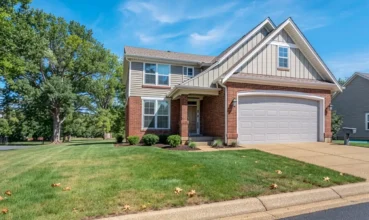
LC’s response has been to standardize its suburban product line – approximately 15 building types that repeat across markets. A design vetted through one project cycle in Austin can be improved and redeployed in Charleston or Nashville without waiting years for the next opportunity to fix errors. Mueller says the feedback loop accelerates dramatically: “We don’t necessarily have to wait two or three years to make these improvements.”
Standardization also reduces dependence on any single design firm’s output quality. When field teams have built the same building type before, they catch errors earlier and lose less time to confusion. “If you practice, if you rinse, repeat, if you take that knowledge from going through the process and you can make that repeatable, you get smarter about it, you build it better, you build it more efficiently,” Mueller says.
The approach also supports LC’s national subcontractor agreements. By offering repeatable work across multiple markets, the company can partner with larger, higher-performing trade contractors at costs that would be prohibitive on a single project. Mueller frames this as a direct counter to the labor quality decline the industry has experienced since the 2008-2009 downturn drove workers out of the trades permanently.
What Renters Should Understand
Design-driven cost overruns do not show up as a line item on a lease, but they inflate the developer’s cost basis, and that basis sets the floor for what a project needs to charge to break even. In markets flooded with new construction, not all new buildings were built with equal efficiency. Some absorbed months of design-driven delays; others did not. The ones that did carry higher costs reflected in the rent.
This is not a problem with a clean consumer-facing solution. A renter cannot inspect a building’s design history the way a buyer might review a home inspection report. But it does mean that in Sun Belt growth markets, the gap between what a unit costs to build and what it might have cost under better planning conditions is wider than most people assume, and that gap is being paid monthly by tenants.
Mueller notes that LC’s three concurrent Charleston projects all draw on standardized templates refined through previous cycles in other markets. The company is also expanding into Tampa, Denver, and returning to Columbus, Ohio, with the same templated approach on sites Mueller describes as 100-acre, multi-phase developments entering design now for 2027 construction starts.
About the Expert: Michael Mueller is Executive Vice President of Construction at Lifestyle Communities, a vertically integrated developer building large-scale residential communities across multiple states, including in the Charleston, Austin, and Nashville markets.
This article is intended for informational purposes only and does not constitute legal, financial, or investment advice. The views and opinions expressed herein reflect those of the individuals quoted and do not represent an endorsement of any company, product, or service mentioned. Readers should conduct their own due diligence and consult qualified professionals before making any investment decisions.