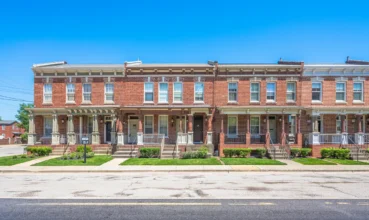
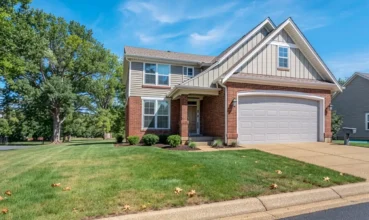
In most housing markets, buyers settle on a strategy and stick with it. Bid aggressively, or negotiate patiently. Move fast, or take your time. In the Washington, D.C., metro area right now, that single-strategy approach can cost you a home or cost you thousands in overpayment, because conditions on opposite sides of the Potomac are behaving like two separate markets.
David Bediz, Founder & Team Leader of Bediz Group, a residential real estate team with 22 years of experience across D.C., Maryland, Virginia, and Delaware, says he is watching individual buyers shift their approach mid-search depending on geography. He described one client actively shopping in both D.C. and Northern Virginia who learned this lesson firsthand: “They lost a property they were interested in buying early on because they were newer in the process.” That loss happened on the Virginia side, where speed and decisiveness still win. The same buyer, Bediz said, operates with a completely different tempo when looking at properties inside the District.
Where Patience Pays Off
Inside D.C. proper, the balance of power has tilted toward buyers in ways it hasn’t in years. Federal job cuts, remote-work policies that reduce the need to live downtown, and uncertainty about the region’s employment outlook have thinned demand, particularly for condos in neighborhoods south and east of upper Northwest. Bediz noted that in D.C. right now, buyers “could probably have a bit more of a negotiation advantage” than in surrounding areas.
That means D.C. buyers have room to negotiate on price, request concessions, and evaluate a property without the fear that another offer will materialize overnight. Sellers in the District are reducing prices on nearly every listing, Bediz said, and agreeing to concessions they would not have considered two years ago. He framed this not as a crisis but as a return to normal after years of unsustainable growth, a market where selling a home takes roughly 90 days, sellers build in negotiation room, and price reductions are routine rather than alarming.
The same conditions that give buyers leverage, fewer competing purchasers, softer demand, also mean short-term appreciation is uncertain. Bediz observed that “buyers are skittish” in D.C. right now. They like what they see but hesitate because they don’t know where values will be in a year or two. That caution is understandable. Nobody can promise a buyer that a condo purchased in fall 2026 will be worth more by fall 2028.
Where Speed Still Wins
Cross the Potomac into Northern Virginia, or head to the Delaware beaches, and the rules change. Bediz described a beach deal that closed just one day before the interview, a buyer purchasing a larger property. The buyer had to move on the home before it was even listed publicly, pay above asking price, and submit an offer with minimal contingencies and a high deposit. Bediz said in those markets, “you might actually have to jump on a property as soon as it hits the market” and be prepared to pay over asking.
The difference is stark enough that Bediz watches it play out within a single client’s search. “When they cross the river from one location to the other, you can tell that their mentality, they understand the difference,” he said of the buyer shopping both D.C. and Virginia simultaneously. The buyer adjusts instinctively, patient and deliberate on one side, fast and aggressive on the other.
What This Means for Your Search
If you’re house-hunting anywhere in the D.C. metro this fall, the geography of your search matters as much as your budget. A buyer who brings a D.C. mindset – take your time, negotiate hard – into a Northern Virginia bidding situation risks losing the home. A buyer who brings a Virginia mindset – move fast, pay up – into D.C. risks overpaying in a market where sellers are already making concessions.
Switching strategies between locations is intellectually simple but psychologically difficult. Losing a home you loved in Virginia can make you impulsive in D.C., and the slow pace of D.C. showings can make you complacent when a Virginia listing appears. Bediz noted that the suburban and beach markets still feel robust while D.C. proper has softened, but he cautioned that conditions shift. Policy changes, midterm elections, and evolving return-to-office mandates could reshape demand in either direction. For buyers actively considering both sides of the river, the number of days a listing has sat on the market may tell you more about local conditions than the asking price itself, a gap that, in some neighborhoods, now stretches from single digits to several months.
About the Expert: David Bediz is Founder and Team Leader of the Bediz Group, operating across Maryland, D.C., Virginia, and Delaware, with 22 years of experience.
This article is intended for informational purposes only and does not constitute legal, financial, or investment advice. The views and opinions expressed herein reflect those of the individuals quoted and do not represent an endorsement of any company, product, or service mentioned. Readers should conduct their own due diligence and consult qualified professionals before making any investment decisions.