Sellers preparing to list homes in central Pennsylvania may be spending money on the wrong upgrades. Millennial buyers between 30 and 45, the largest active cohort in the Harrisburg-area market, are not chasing high-end finishes, according to Maryssa Chaplin of the Chaplin Group at Keller Williams of Central PA. They care far more about structural condition and character than whether a kitchen has been updated in the last five years. Chaplin and her mother, Sally Chaplin, work residential real estate across five counties near Harrisburg.
Good Bones Beat Fancy Finishes
Maryssa Chaplin says the millennial buyers she works with are drawn to homes that feel solid and livable, not necessarily homes that have been recently remodeled. “They don’t necessarily care as much about datedness as long as it’s in good condition,” she says.
That distinction matters for sellers weighing a costly kitchen renovation before listing. What stops buyers from making an offer is not outdated tile. It is the fear of hidden problems, a roof that needs replacing, a furnace on its last legs, plumbing that looks like a weekend emergency waiting to happen.
“People are living busy lives, and they’re not wanting projects,” Maryssa Chaplin says. This generation of buyers understands they will paint walls and swap out carpet. They are willing to personalize. What they are not willing to do is inherit someone else’s deferred maintenance.
The Vintage Premium
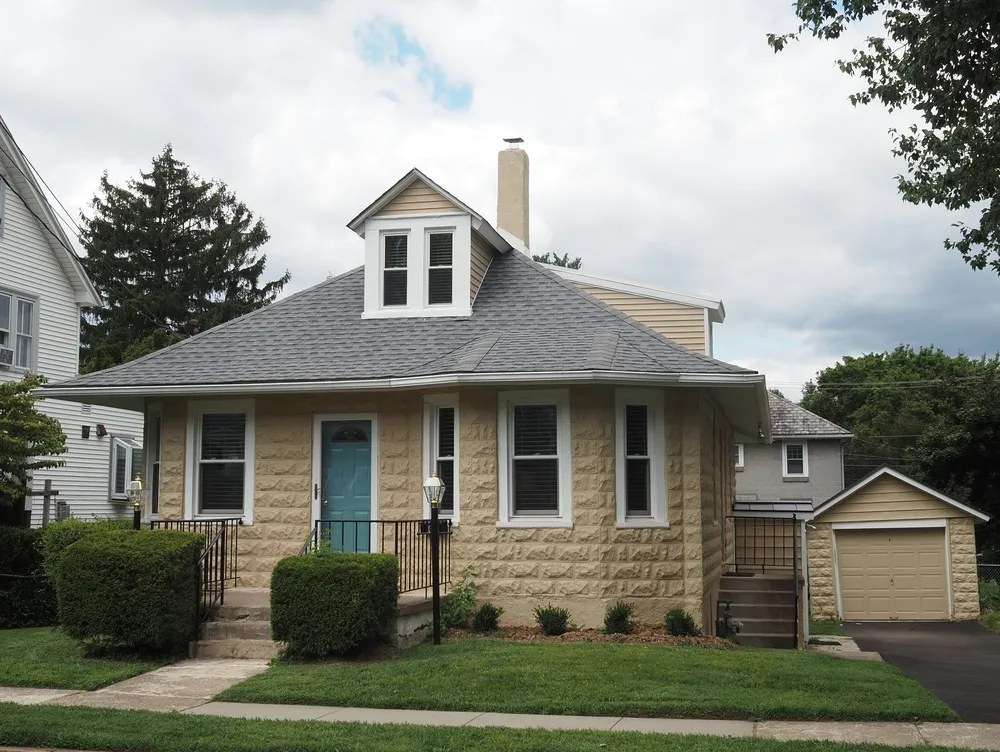
Rather than seeing age as a liability, many millennial buyers in central Pennsylvania treat it as a draw. Maryssa Chaplin says buyers are gravitating toward homes with original woodwork, unusual layouts, or architectural details absent from newer construction. “A lot of millennials are liking the vintage feel,” she says.
This runs counter to the long-held assumption that older homes need to be modernized to compete. In central Pennsylvania, where the housing stock includes farmhouses, mid-century ranches, and Victorian-era properties, that older inventory is finding appreciative buyers, as long as the fundamentals are sound.
Sally Chaplin adds that buyers have grown more discerning in 2026 compared with the previous several years. During the peak frenzy, anything priced remotely close to market value drew multiple offers regardless of condition. Now, buyers are matching price to what they are actually getting. A home with character and solid systems at a fair price moves fast. A home with cosmetic upgrades but questionable bones does not draw the same competition.
Pricing Still Drives the Timeline
Homes in good condition are still going under contract in the first one to two weeks in central Pennsylvania. The Chaplins say multiple-bid scenarios still happen when a property is well-maintained and well-priced.
But “good condition” and “fully renovated” are not the same thing, and the gap between them represents real money for sellers. Spending heavily on cosmetic upgrades that this buyer pool does not prioritize could result in a higher list price that pushes away the very buyers most likely to compete for the home.
Maryssa Chaplin describes a clear threshold: homes that last more than three weeks on the market almost always trace back to a condition concern, a pricing problem, or both. “Maybe we’ve overpriced it for the condition,” she says. At that point, the team reevaluates pricing.
The market reinforces this pattern. Sally Chaplin says pricing has always been the dominant factor in how quickly a home sells, but that reality is sharper now. “The buyers are very savvy these days,” she says. Buyers who see a home priced at the high end of its range are willing to let it sit rather than compete for it.
Where Cookie-Cutter Construction Faces Resistance
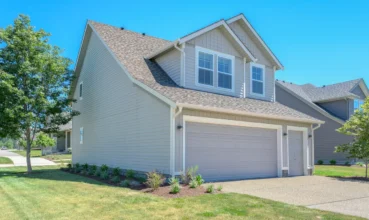
There is a specific risk for sellers of newer production homes. Maryssa Chaplin notes that millennial buyers are drawn to “the non-traditional homes, the non-cookie-cutter.” Sellers in subdivisions with current finishes may face a slightly smaller buyer pool than expected – not because the homes are flawed, but because the buyers driving demand are looking for personality.
None of this means updated homes will not sell. Central Pennsylvania remains a seller’s market with roughly four months of inventory, according to Maryssa Chaplin, and strong demand fueled by relocations from more expensive states like New York and Maryland. But the assumption that every dollar of pre-sale renovation comes back at closing deserves scrutiny when the largest active buyer cohort would rather have a structurally honest home with dated finishes than a flipped house with uncertainty behind the drywall.
For sellers in the greater Harrisburg area weighing renovation decisions, the Chaplins’ experience points to a consistent pattern: what determines whether a home sells in a week or lingers past three is not whether the countertops are granite or laminate. It is whether the home is priced for its actual condition, and whether that condition inspires confidence or raises questions.
About the Expert: Sally Chaplin and Maryssa Chaplin are a mother-daughter real estate team serving central Pennsylvania, having helped more than a thousand families buy and sell since Sally entered the business in 2007.
This article is intended for informational purposes only and does not constitute legal, financial, or investment advice. The views and opinions expressed herein reflect those of the individuals quoted and do not represent an endorsement of any company, product, or service mentioned. Readers should conduct their own due diligence and consult qualified professionals before making any investment decisions.