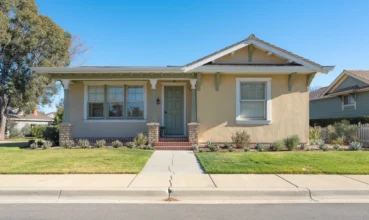
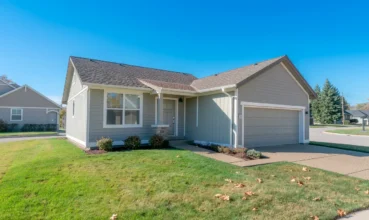
The fix-and-flip playbook that worked across the Ozarks for the past several years is breaking down. Homes are sitting close to 90 days on the market and closing roughly $10,000 below list price, according to Rachel Countryman, a residential and commercial agent with eXp Realty who works across southern Missouri. With buyers demanding move-in-ready condition at lower prices, the profit on a renovated single-family home has compressed to the point where many investors are abandoning the strategy entirely – and what they are doing instead is reshaping what rental options look like for tenants across the region.
Countryman said the shift among her investor clients has been decisive. The economics of buying a distressed home, renovating it, and reselling it no longer work in a market this slow. “Our return on fixing a house up and putting it back on the market for sale has almost halted,” she said.
Instead of flipping those single-family homes, investors are holding them as rentals. And the capital that used to flow into resale inventory is now moving into multifamily properties, RV parks, and mobile home parks.
Why Rentals Are Winning the Math
The pivot tracks with what Countryman is seeing on the demand side. There are “a lot more people looking at renting currently instead of purchasing that single-family home,” she said. With residential prices still elevated relative to what buyers will pay, and everyday costs like gas and groceries squeezing household budgets, more people are choosing – or being forced into – renting. Countryman noted that gas and food prices have risen sharply over the last couple of years, which she said is making buyers more cautious about large purchases.
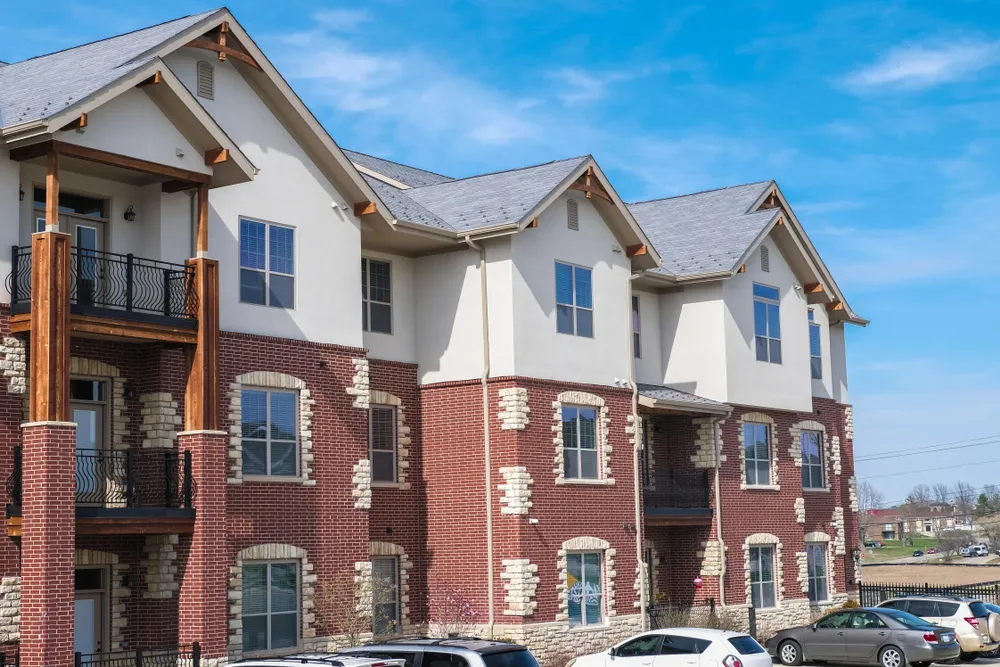
That rental demand is pulling investor dollars toward properties with four or more units, which Countryman described as a high-priority category. Multifamily properties near military bases across Missouri have been particularly active, she said, moving quickly compared to the broader residential market.
There is a catch, though. Rental rates across Missouri have been very stable – not rising sharply, according to Countryman. That means profit on a rental property is not coming from charging higher rents over time. It is coming from buying at the right price. “That is made when you purchase these properties,” she said. Investors who overpay at acquisition will struggle to make the cash flow work in a market where rents are not climbing to compensate.
What This Means for Renters
For people who rent – or who are about to start renting because buying feels out of reach – this investor pivot cuts two ways. More investors holding single-family homes as rentals means more rental inventory available. That helps anyone searching for a place to live.
But the newer multifamily buildings that investors prefer tend to cost more than older units. Countryman said her investor clients “really do prefer the newer buildings” when buying multifamily properties. The new supply being added skews toward newer construction, which may not serve renters looking for the most affordable option.
And for anyone hoping the investor retreat from flipping would ease prices on fixer-uppers, those homes are not coming back to the market as renovated listings. They are staying in investor hands as rentals. The supply of move-in-ready resale homes is not getting a boost from this shift.
Buyers Are Pickier, Sellers Are Frustrated
The residential slowdown feeding this investor pivot is not limited to one price range or neighborhood. Countryman said homes from $150,000 to $700,000 or $800,000 are all sitting longer. Average days on market have pushed to around 90 – a sharp contrast, she said, to a period when homes were selling in 20 days or less.
Buyers have grown more selective. Previously, they were willing to take on homes needing cosmetic work or minor repairs. Now they expect near-perfect condition, and they are walking away during inspection periods when they do not get it. Countryman said the rate of deals falling apart has increased substantially because “buyers expect an almost perfect home and sellers are still expecting these high prices and no repairs.”
Sellers, meanwhile, are adjusting slowly. Five years of rapid price increases set expectations that no longer match the market. Countryman said she makes a point of preparing sellers upfront: “This is not how the market is right now.” For owners who have not held their property long enough to build significant equity, the frustration is especially acute.
Where the Capital Is Heading
Countryman said the connection between the residential slowdown and the rental surge is direct. “I think that’s in direct correlation with the housing prices and affordability of purchasing versus renting,” she said. As long as the cost gap between owning and renting stays wide, capital will keep flowing toward rental properties.
In the Branson area, where tourism-driven infrastructure investment is drawing new residents, demand for both short-term and long-term rental units has been especially strong, according to Countryman. For investors considering southern Missouri, she said the starting point is matching the property type to a specific goal – whether that is multifamily near population centers, flex space, or warehouse – because rental demand varies by location and use. The money, she said, is made at the purchase, not after.
About the Expert: Rachel Countryman is a real estate professional with eXp Realty, working across residential, commercial, and land development in Southern Missouri.
This article is intended for informational purposes only and does not constitute legal, financial, or investment advice. The views and opinions expressed herein reflect those of the individuals quoted and do not represent an endorsement of any company, product, or service mentioned. Readers should conduct their own due diligence and consult qualified professionals before making any investment decisions.