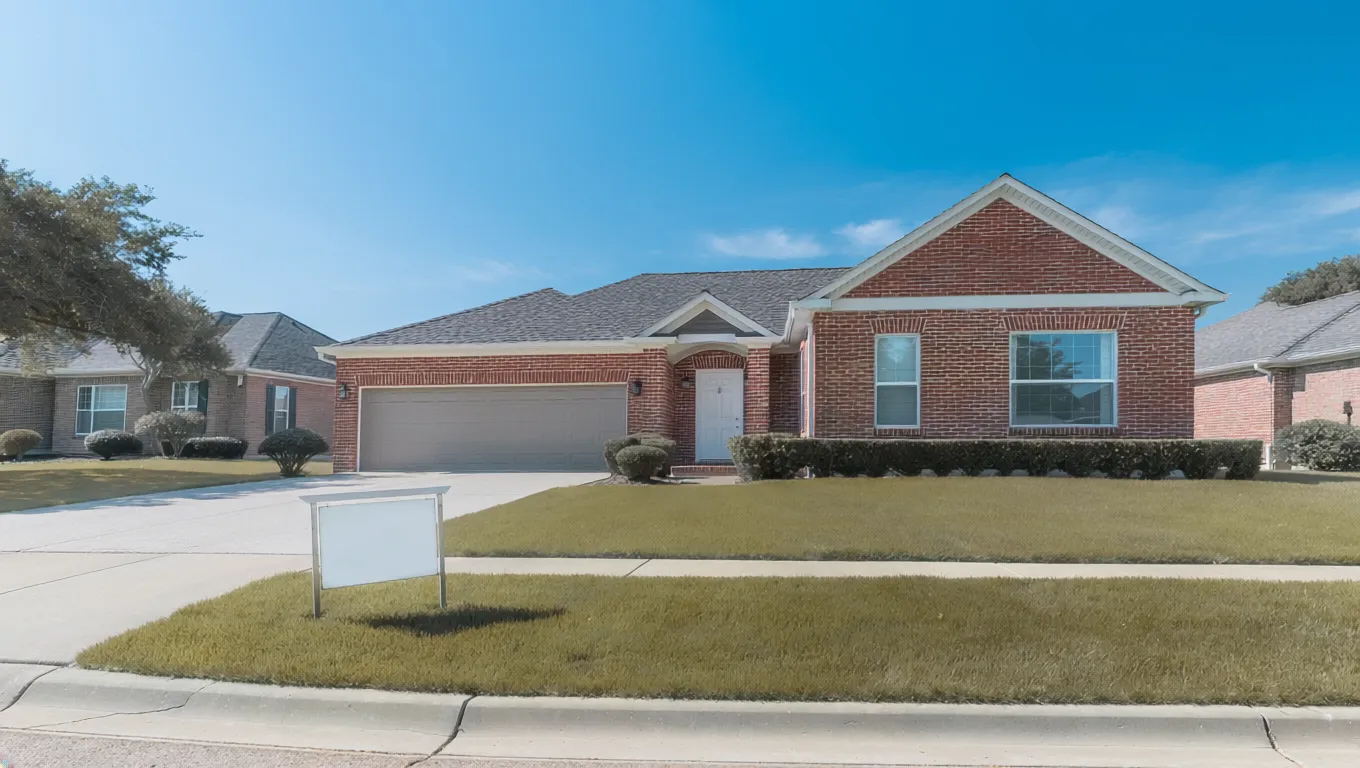
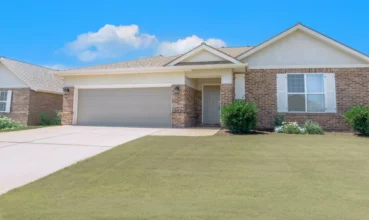
In parts of Arlington, Texas, a well-priced listing sells within days. A few miles away, comparable homes sit for 60 days or more without a serious offer. Both outcomes feed into the same citywide days-on-market average, which measures how long homes take to sell. According to Lauren Kerschen, founder of DFW’s Finest Real Estate Group, that average has drifted so far from neighborhood-level reality that it now misleads more than it informs.
Kerschen says the southern Dallas-Fort Worth (DFW) market has split into small, distinct segments. Comparing one neighborhood to another, even within the same city, can lead to wrong conclusions about pricing, timing, and strategy.
Averages Hide Neighborhood Gaps
Kerschen describes the area as sharply divided. “There’s some areas where you have to jump on a listing as soon as it goes on the market or you’re not gonna have a chance to get the house,” she says. “And there are some areas where every single house is sitting for 60-plus days.”
The gap reflects differences in school quality, home condition, access to amenities, and competition from new construction. Kerschen describes first-time buyers in Carrollton who learned that waiting until after work to schedule a showing was often too late. The same urgency applies in certain parts of Mansfield and Arlington. Meanwhile, sellers in other sections of Fort Worth and the outer suburbs cannot move homes without steep discounts.
A citywide average of 30 days on market in a city like Arlington says little about whether a specific listing will sell in a week or sit for three months. Buyers who use that number to time their search, and investors who use it to forecast returns, may be acting on a figure that does not describe their target area.
Condition Drives Sale Speed
Much of the housing in southern DFW is older. In that stock, Kerschen argues that home condition now matters more than price in separating fast sales from slow ones.
“Matching price to condition is extremely important right now,” she says.
In Arlington, Fort Worth, and Mansfield, where many homes were built decades ago, buyers draw sharp lines between updated homes and dated ones. A well-maintained home priced at market value can still sell quickly. A home in poor condition listed at the same price will sit.
Two homes on the same street, listed at similar prices, can have completely different outcomes based on flooring, kitchen updates, and curb appeal. For that reason, Kerschen does not compare a seller’s home to sales in a different neighborhood or condition category, even when the prices are similar. The market does not treat those homes as equals.
Market Headlines Mislead Sellers
This fragmentation shapes how sellers approach the market and how often the results surprise them. Kerschen says nearly every seller she meets has absorbed national or regional headlines about how hard it is to sell right now. Those headlines often do not match what is happening in the seller’s own neighborhood.
Some sellers in high-demand areas are overly cautious because they have accepted a general message of market weakness. Others, in slow-moving areas, set prices too high because they have heard about bidding wars elsewhere in the metro.
Kerschen grounds every listing conversation in neighborhood-level data rather than city or metro trends. She reminds sellers that the slowdown they hear about is not universal. “Not every neighborhood and not every section of South DFW is behaving like that,” she says. “There is quite a bit that is still moving very quickly.”
For buyers, waiting for a market-wide slowdown to gain negotiating leverage may backfire if the neighborhood they want is still competitive.
New Construction Widens Gaps
The gap between neighborhoods is widening where new construction competes directly with existing homes. Kerschen points to Crowley, where owners who bought in 2022 and 2023 and now need to sell are struggling. According to Kerschen, home values there have not risen as expected, and builders can offer financing incentives that individual sellers cannot match. As a result, some sellers owe more than their homes are worth. Others must bring their own money to closing to cover selling costs on top of paying off their mortgage.
Kerschen advises sellers of existing homes in these areas to compete on condition, such as replacing carpet with luxury vinyl plank flooring or adding accent details. Another option is offering seller credits that buyers can use to lower their mortgage interest rate. Sellers who cannot do either have fewer options. “If that’s your number and you have to sell for that price, then I would wait,” Kerschen says.
Midlothian faces a different version of the same pressure. Kerschen says the local tax appraisal district raised property values sharply over the last two to three years. On almost every listing she saw or showed, the appraised value was well above the list price. Buyers know they will pay higher property taxes until they can protest the assessment the following year. That added cost makes already cautious buyers more hesitant.
For southern DFW sellers, the key question is not whether the broader market is strong or weak. It is whether their neighborhood, their home’s condition, and the nearby competing listings support the price they need. The answer varies block by block, and citywide data will not provide it.
About the Expert: Lauren Kerschen is the team leader of DFW’s Finest Real Estate Group, covering southern Dallas-Fort Worth, Texas.
This article is intended for informational purposes only and does not constitute legal, financial, or investment advice. The views and opinions expressed herein reflect those of the individuals quoted and do not represent an endorsement of any company, product, or service mentioned. Readers should conduct their own due diligence and consult qualified professionals before making any investment decisions.