
Commercial real estate has traditionally relied on personal relationships and local knowledge. However, brokers increasingly find that data-driven strategies offer a clear advantage, especia...

In San Antonio, Texas, the Listings That Sell Fastest Aren't Always Priced Lowest – They're Marketed Best

Written by:
Date:
08 Sep 2026
Share via Facebook

Share via Linkedin

Share via X

Copy to clipboard

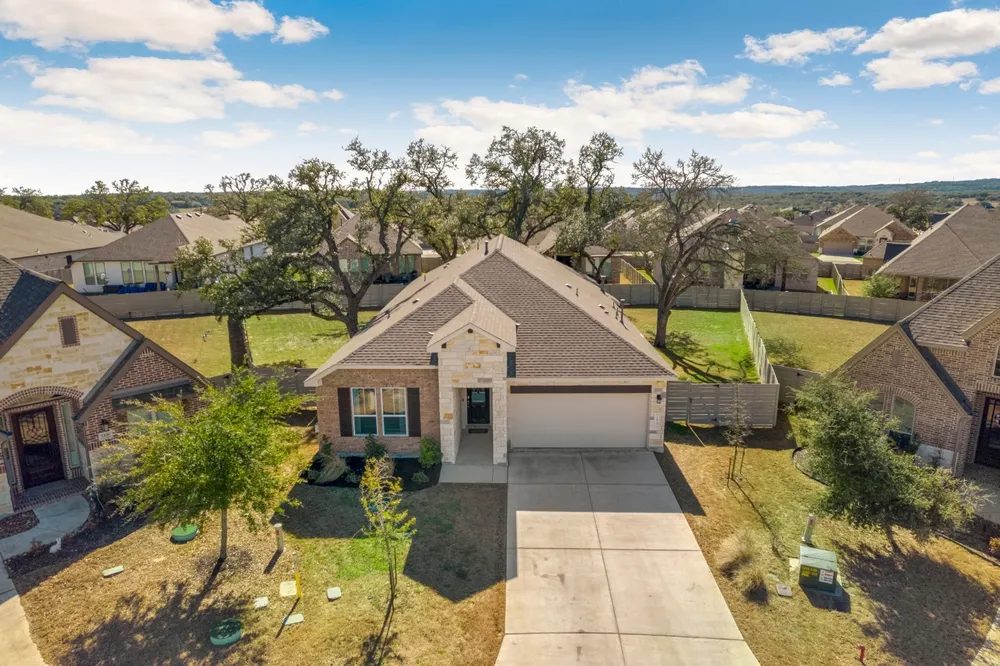
San Antonio’s housing market has tilted firmly in favor of buyers. Homes are taking several months to sell, concession requests are standard, and builders are offering discounts as high as $40,000 to clear inventory. But the properties lingering longest aren’t necessarily overpriced. In many cases, the problem is simpler and more fixable than sellers expect: weak photography, no staging, and no video.
That distinction between a pricing problem and a presentation problem is shaping how listings move in a market where buyers have time, information, and leverage.
Janet Wingrove, Team Lead / Co-Founder of the Empire Real Estate Team, has built a portion of her business around what she calls “second chance listings,” properties taken on after they failed to sell with a previous agent. The pattern she describes is consistent: a home sits for months, the seller drops the price repeatedly, and it still doesn’t move. Her team runs a price analysis first, then asks why the home didn’t sell if the number was already reasonable.
The answer, frequently, is marketing execution. Her team revamps photography, video, and staging. In cases where price is already reasonable, she tells sellers directly: the number isn’t the issue. “Sometimes it’s great for the seller because I’ll say, you know what, it’s not price,” Wingrove says. “We just need to change the tactic of how the house is marketed.” Properties previously listed for a year or more are selling within 30 to 45 days after the marketing overhaul, she says, often with minimal price adjustment.
San Antonio’s MLS allows agents to view a listing’s previous photos and marketing materials. Wingrove says the difference between how a home was presented before her team took it on and after is often stark, a visual record of why the first attempt failed.
Builders Are Winning on Incentives
The fastest-moving segment in San Antonio right now is new construction, driven by aggressive builder concessions. Wingrove describes incentives reaching $40,000 off a home’s price, with some builders also offering agent commissions of 4 to 6 percent to drive traffic.
“The builders want to unload their inventory, and so they’re giving a huge concession to those buyers,” she says.
For resale sellers, that creates a difficult competitive environment. A buyer choosing between a new build with tens of thousands in concessions and a resale home needing repairs will lean toward the new construction, unless the resale listing is priced accurately and presented well. That dynamic makes the marketing gap on resale listings more consequential than it might be in a tighter market.
Where Resale Still Competes
Not every resale segment struggles equally. The 281/1604 corridor on San Antonio’s north side continues to see relatively faster movement, driven largely by school quality. “Because of the schools, they drive a lot of people to that area,” Wingrove says. Homes priced correctly in that corridor, from mid-market up to a million dollars, tend to sell more quickly than comparable listings elsewhere in the city.
The west side of San Antonio is also drawing buyer activity, primarily because of affordability and a concentration of new construction. Meanwhile, the east side suburbs, Schertz, Selma, and Universal City, are gaining traction, partly from military family relocations and partly from commuter traffic between San Antonio and Austin.
Downtown San Antonio presents a more complicated picture. Several pockets became oversaturated with investor flips during stronger market conditions, and those homes are now harder to sell. Wingrove advises investors considering the area to have a backup exit strategy – whether that means converting to a short-term rental or a long-term rental if a sale doesn’t materialize. She expects the area to rebound, pointing to large-scale development projects including what locals call Project Marvel and new business activity on the south side of town, but cautions that investors should be prepared to hold.
The Pricing Discipline Gap
Across all segments, Wingrove identifies aspirational pricing as the most common obstacle to a timely sale. Sellers anchored to past comparable sales or to what they believe their home deserves are misjudging current conditions. “Gone are the days when I think I want to price it here so I can have room to negotiate,” she says. “There’s no room right now for aspirational pricing.”
Buyers, meanwhile, are arriving better informed. They track days on market, recognize when a listing has been sitting, and use that information to negotiate lower offers and concession requests. In the $200,000 to $300,000 range, San Antonio’s most active affordable segment, buyers are especially likely to request closing cost assistance, which investors selling renovated homes in that band need to factor into their numbers from the start.
Wingrove recommends that investors targeting the traditional buy-renovate-sell model in that price range budget for buyer concessions upfront. “You’re looking at a tougher market when it comes to buyers if you’re in the 200 range,” she says. “You have to be prepared for that ahead of time.”
Some sellers do listen to pricing guidance and see results. Others insist on listing higher and then wonder why their home hasn’t sold within the first 30 days. Wingrove says the difference in outcome between those two groups is stark, and that agents bear some responsibility for educating sellers on what the current market will support rather than agreeing to an inflated number.
What’s Ahead
Several infrastructure and development projects could strengthen San Antonio’s position over the next year, according to Wingrove: the expansion of the San Antonio airport, new industrial facilities on the city’s south side, and ongoing downtown redevelopment. Property tax increases and city debt are the headwinds she is watching most closely. “That’ll be interesting to see what happens this next year with the city,” she says.
San Antonio remains more affordable than Austin, Dallas, and most of the other major Texas metros, a gap Wingrove says continues to attract relocating families and out-of-state investors. For sellers in this market, cosmetic appeal and correct pricing are no longer optional advantages. They are the minimum conditions for a sale that doesn’t drag on for months.
About the Expert: Janet Wingrove is Team Lead and Co-Founder of the Empire Real Estate Team, covering San Antonio, Texas.
This article is based on information provided by the expert source cited above. It is intended for general informational purposes only and does not constitute legal, financial, or real estate advice. Readers should conduct their own research and consult qualified professionals before making any real estate or financial decisions.
Similar Articles
Explore similar articles from Our Team of Experts.