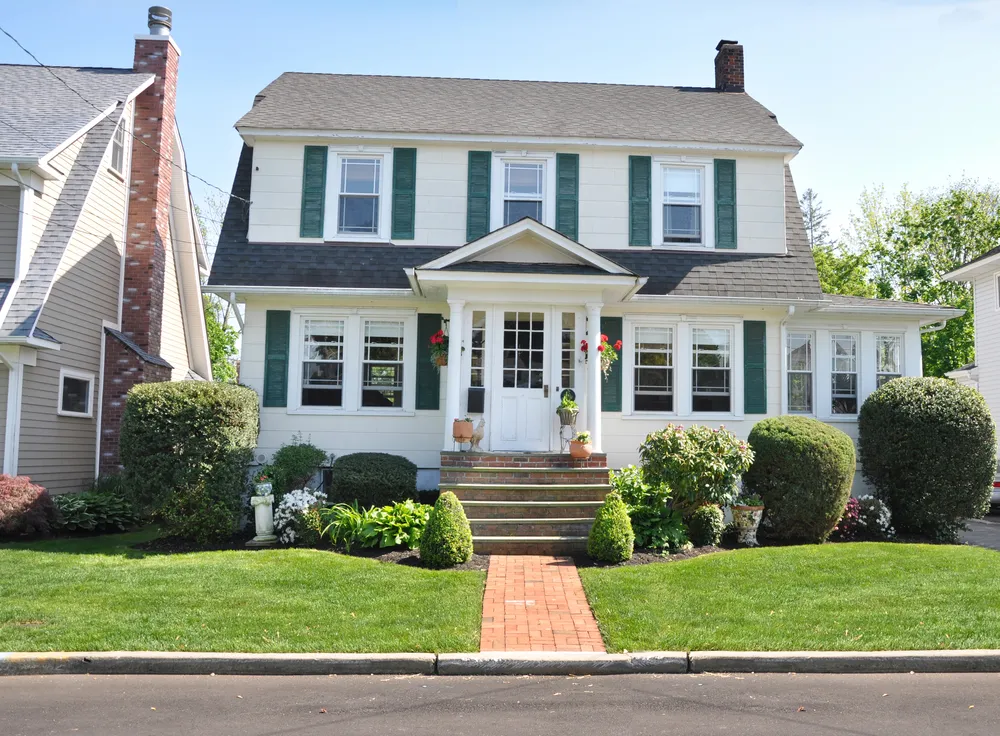
Most housing markets respond to interest rates. When borrowing costs rise, prices soften. When political uncertainty builds, buyer activity slows. In Monmouth County, New Jersey, that logic no longer applies. The county’s residential market is being driven almost entirely by a supply-and-demand imbalance so severe that conventional economic indicators – rates, geopolitical risk, consumer sentiment – have little observable effect on pricing or competition.
The result is a market where nine written offers on a single listing is not unusual, where accepted prices routinely exceed asking by 10% or more, and where buyers should expect to lose multiple bids before winning one.
Why Traditional Market Signals Aren’t Landing
Jonathan Gruebel, a Realtor with Coldwell Banker Realty who has worked in New Jersey and New York real estate for more than 30 years, describes the dynamic bluntly. “What is really driving the market is the lack of inventory, the lack of supply of houses and the demand,” he says. “When you have more buyers than sellers, when you have a limited inventory, when you go to the store, and there’s no milk, the buyers are willing to pay more”.
The supply shortage predates the pandemic but intensified after it. Monmouth County has long been a destination market, with strong school systems, proximity to beaches and amusement parks, and family-friendly towns within commuting distance of New York. Post-pandemic demand added pressure to an already constrained inventory base, and that pressure has not eased.
“Interest rates, not relevant. It’s not that it’s not important, but it doesn’t impact this market,” Gruebel says. “Political problems, the war in Iran currently, which is terrible, is not affecting the market. Monmouth county and many parts of New Jersey seem to have an immunity to economic and geopolitical data and events.
What Buyers Are Actually Experiencing
In this environment, buyers are adjusting expectations on both price and features. Many start with specific criteria – a pool, a garage, a particular town – and end up buying something different, often at a higher price than their original budget.
“They temper their aspirations because they know they’re not going to get everything they want,” Gruebel says. The competitive pressure means buyers generally need to lose several bids before successfully closing. Multiple offers above asking price are standard, not exceptional.
In a recent listing Gruebel represented, the property drew nine written contracts within a week. Six or seven exceeded the asking price, and the accepted offer came in more than 10% above list with strong terms. The buyer pool skewed toward younger families, some with no children or very young ones, competing in the million-dollar range.
For buyers coming from out of state, the most common misconception is that offering the asking price should be sufficient. “Why do I have to give more than X amount of dollars? I’m giving them what they ask for,” Gruebel says, paraphrasing what he hears from buyers unfamiliar with the market’s competitive dynamics. Most out-of-state buyers, however, arrive already aware of the bidding environment. Gruebel stresses that buyers need mortgage pre-approval documentation in hand before beginning their search. Without it, they cannot move fast enough to compete when a property hits the market.
Where Investors Can Still Find Relative Value
For investors looking to deploy capital in the area, the competitive landscape has narrowed. Experienced investors, Gruebel notes, are becoming more selective as less-experienced buyers enter the market willing to pay up aggressively.
Distressed properties and rehab opportunities exist but are scarce. “They’re out there, but they’re not always flying over the radar. They’re a little bit low-key,” he says. “Those opportunities are there, but they’re few and far between.”
The geographic rule of thumb Gruebel offers: value increases with distance south. “Generally the further south you go, the more value you’ll get,” he says. Moving 20 to 30 miles south of Monmouth County’s core towns provides incrementally more purchasing power, though he notes this isn’t solely tied to proximity to New York. For investors, creativity matters more than capital alone; the obvious deals are gone, and what remains requires looking where others aren’t.
Sellers Hold the Leverage
Sellers in this market are not offering concessions because they don’t need to. The dynamic is reversed from what buyers in softer markets might expect: sellers listen to offers rather than competing for buyers’ attention.
The exception is listings that don’t sell quickly, typically because they’re mispriced or in a less desirable location. “That’s when a seller should be proactive, be creative,” Gruebel says. “Price dictates everything. But also offering a seller’s concession or whatever could be offered.”
For sellers whose properties sit longer than a week without strong activity, the signal is clear: the listing price is wrong, the location carries a discount the seller hasn’t acknowledged, or both. In either case, waiting without adjusting strategy costs more than adjusting early.
Town Selection Depends on Commute
Buyers choosing between Monmouth County towns – Marlboro, Manalapan, and Freehold are three consecutive towns that frequently overlap in searches – tend to decide based on commute logistics, school reputation, and whether family already lives nearby. Some buyers insist on a single town; others remain flexible across two or three adjacent communities.
Gruebel notes that Marlboro sits slightly farther north, which appeals to households with two commuters, while Manalapan also offers strong commuting access. The preference often comes down to personal circumstances rather than a clear price or quality gap between neighboring towns.
No Correction in Sight
Despite predictions from others in the industry that a dip may be coming, Gruebel sees no evidence of one materializing in Monmouth County, specifically because the supply constraint remains unresolved.
“Many people I know that I respect are looking forward to or predict somewhat of a correction or at least a slight dip. And I don’t see that right now because it’s the supply and demand,” he says. “I do think Monmouth County offers value with the location, the proximity, the quality of life, the school systems.”
For buyers waiting for relief, the implication is that delay is unlikely to improve their position. As long as inventory remains constrained and demand continues at current levels, competition will persist regardless of what interest rates or broader economic conditions do.
About the Expert: Jonathan Gruebel is a Realtor with Coldwell Banker Realty, with more than 30 years of experience in New Jersey and New York real estate serving the Monmouth County market.
This article is based on information provided by the expert source cited above. It is intended for general informational purposes only and does not constitute legal, financial, or real estate advice. Readers should conduct their own research and consult qualified professionals before making any real estate or financial decisions.