Mortgage rates above six percent have buyers waiting on the sideline, but the wait itself may be the most expensive decision they make. According to Marty Medve, Co-Owner & Principal Bro...

Jersey Shore Luxury Homes Are Still Flying Off the Market. That Doesn't Help Everyone Else.

Written by:
Date:
07 Sep 2026
Share via Facebook

Share via Linkedin

Share via X

Copy to clipboard

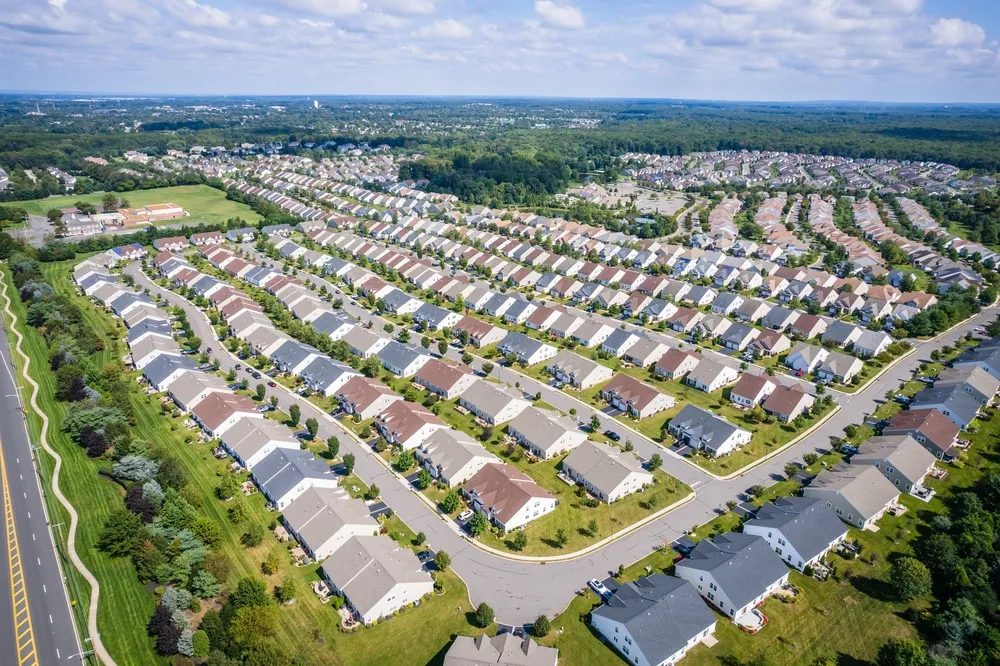
The New Jersey housing market looks red-hot or cooling fast depending entirely on which slice you’re looking at – and sellers who confuse one segment’s strength for their own risk a costly mispricing. Along the coast in mid-2026, the gap between the luxury second-home market and the broader residential market serving primary-residence buyers is widening in measurable ways.
Darren Tietsworth, a Realtor with The Coyle Team at RE/MAX Select who covers coastal Monmouth and Ocean counties, describes the situation bluntly: “It’s a tale of two markets in New Jersey.”
On one side sits the vacation-home buyer – typically purchasing along the Jersey Shore as a second property, often at multimillion-dollar price levels. That buyer is not pulling back. The luxury coastal market remains intensely competitive, with properties attracting multiple offers on opening weekends. “It’s just as hot as it’s ever been,” Tietsworth says of that segment.
On the other side: everyone else.
Where the Slowdown Is Showing Up
First-time buyers, upsizers, downsizers, retirees – the segments that make up the primary-residence market are behaving differently. Tietsworth describes those groups as concerned about interest rates, employment stability, and global uncertainty. “Those people right now are very cautious,” he notes.
The evidence shows up in days on market and pricing behavior. In parts of Ocean County, homes are sitting 60 to 90 days with repeated price reductions – a pattern that had been essentially absent from the New Jersey market for years. Bidding wars in those segments are fading. Tietsworth describes “the multiple offer situation, the bidding wars, so to speak, mitigating” in markets that had previously been intensely competitive.
Meanwhile, the luxury shore market continues to operate as though none of that is happening. Multimillion-dollar coastal properties still attract aggressive offers within days of listing. The buyer pool for these homes – high-net-worth individuals purchasing seasonal or vacation properties – is largely insulated from rate sensitivity.
Why This Gap Misleads Sellers
The danger for a typical seller is extrapolation. A homeowner in an inland New Jersey town who hears that the shore market is blazing may price accordingly. But the dynamics driving luxury coastal demand – seasonal lifestyle appeal, cash-heavy buyers, extreme supply constraints on beachfront land – do not extend to a three-bedroom home 20 miles from the water.
Tietsworth emphasizes how localized conditions are in New Jersey. Despite being a small state geographically, “you could go from one town to the next, even within a county and see completely different dynamics.” A town on a commuter rail line into New York City may still see multiple offers. A town 15 minutes away without that transit access may be sitting with growing inventory.
The factors that separate the two markets are structural. The luxury shore buyer is driven by lifestyle and wealth preservation, not employment income or interest rate math. The primary-residence buyer is driven almost entirely by affordability – what monthly payment they qualify for, whether their job feels secure, whether rates will fall next quarter.
What Sellers Should Watch
For anyone selling outside the luxury coastal niche, the relevant comparison is not the shore market’s headline numbers. It’s what’s happening to comparable properties in the same town, at the same approximate price, over the past 90 days.
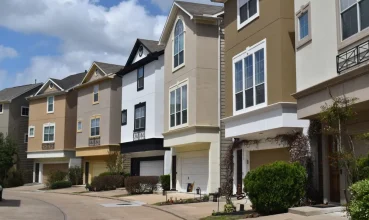
Monmouth County remains more seller-friendly than Ocean County for now, according to Tietsworth, with prices stable or rising and days on market staying lower. But even within Monmouth, the split between single-family homes and condos or townhomes creates another layer of divergence. Single-family homes remain in high demand; condo and townhome inventory is growing month over month in both counties.
Tietsworth attributes the softness in the condo and townhome segment directly to interest rates, since those properties cater largely to first-time buyers who are most constrained by borrowing costs. Rate expectations that had pointed toward declines earlier in the year have reversed, with rates now trending back up – a shift he says is “causing some of the consternation amongst buyers.”
The risk for sellers is not that the market has collapsed – it has not. The risk is that sellers anchored to the hottest segment’s performance may list too high, sit too long, and eventually chase the market down with price cuts that signal desperation to buyers. In a market as fragmented as New Jersey’s in mid-2026, the only safe pricing strategy starts with hyperlocal data – not county-wide medians and certainly not the multimillion-dollar sales making local news along the beachfront.
About the Expert: Darren Tietsworth is a Realtor with The Coyle Team at RE/MAX Select, covering coastal Monmouth and Ocean counties, New Jersey, and has invested in New Jersey real estate for nearly 25 years.
This article is intended for informational purposes only and does not constitute legal, financial, or investment advice. The views and opinions expressed herein reflect those of the individuals quoted and do not represent an endorsement of any company, product, or service mentioned. Readers should conduct their own due diligence and consult qualified professionals before making any investment decisions.
Similar Articles
Explore similar articles from Our Team of Experts.