
The multifamily investment landscape has undergone significant changes since 2021, creating both challenges for existing investors and opportunities for those with capital and patience. As i...

For Small Independent Brokerages on Long Island, Consolidation May Be the Exit They Didn't Plan For

Written by:
Date:
28 Aug 2026
Share via Facebook

Share via Linkedin

Share via X

Copy to clipboard

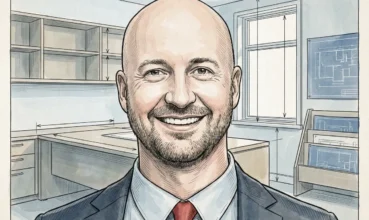
The New York metro area’s brokerage landscape is in the middle of a consolidation wave that hasn’t fully registered in national headlines. Small independent firms, many still operating out of storefronts in suburban towns, are finding it increasingly difficult to compete on technology, training, and compliance infrastructure against larger operations. According to Joe Moshe, founder and broker/owner of Charles Rutenberg Realty, a nearly 600-agent firm covering the tri-state area, mergers and acquisitions have become a weekly conversation, not an occasional one.
Moshe says he receives calls about potential mergers or acquisitions once a week. His firm, which launched in 2006 as a 100% commission model charging agents a flat monthly fee of $59 and small transaction fees rather than traditional splits, is now positioning itself as an acquirer of smaller shops with up to 100 agents.
“Our goal now is to speak to as many of these agencies as possible, tell them that they don’t have to go it alone anymore,” he says. “They can still use their name as a team, but they have to have the name Charles Rutenberg underneath it.”
Why Small Firms Are Vulnerable
The economics facing independent brokerages with physical locations have shifted substantially. The traditional model, a storefront in a town center, a 50/50 or 60/40 commission split, has been undercut by firms offering agents 90/10 splits or full commissions with flat fees. Moshe notes that even firms offering a 90/10 split often layer on franchise fees and other charges that push the effective split closer to 75/25.
Meanwhile, administrative burdens have grown. Compliance, documentation, errors-and-omissions insurance, and agent training all require infrastructure that scales poorly for a 20- or 50-person shop. The pitch to these firms, as Moshe describes it, centers on absorbing back-end operations, training, paperwork, compliance, and technology, while allowing the smaller firm to maintain its local identity as a team under the larger brand.
The model depends on small firms preferring this arrangement over selling outright to a national brand. “We don’t see where these small agents are going to want to join the big agencies,” Moshe says. “That’s not what their model is.”
The Baby Boomer Inventory Thesis
Beyond brokerage structure, Moshe sees a supply-side shift developing on Long Island over the next few years. The market has been seller-favored for an extended period; high mortgage rates and low inventory have pushed prices up while younger buyers struggle to accumulate down payments.
The catalyst for change, in his view, is demographic. Baby boomers who held onto homes because they had nowhere to go are now aging into a transition. Two forces are converging: physical necessity, they can no longer manage multi-story homes, and family pressure, as their adult children need housing.
“They’re going to wind up either selling their house to their children or there will be a listing,” Moshe says. “So that’ll increase inventory to some degree.”
He does not expect prices to fall substantially, even with added supply. Wages, oil, food, and construction costs have all risen, creating a floor under current pricing. “I just think it’s going to stop going up,” he says. “People cannot afford the houses now, especially the young people in the market.”
For buyers waiting for a correction, the implication is that relief may come through more available homes rather than lower prices, a distinction that still requires sufficient savings for a down payment.
Geography Still Sorts the Market
Across the firm’s coverage area, commute proximity to Manhattan remains the dominant pricing variable. Areas of Brooklyn and Queens close to Manhattan now command prices comparable to Manhattan itself. Nassau County commands a premium over Suffolk County, which offers more land but longer commutes. The cultural infrastructure of New York City, museums, restaurants, entertainment, continues to support urban pricing.
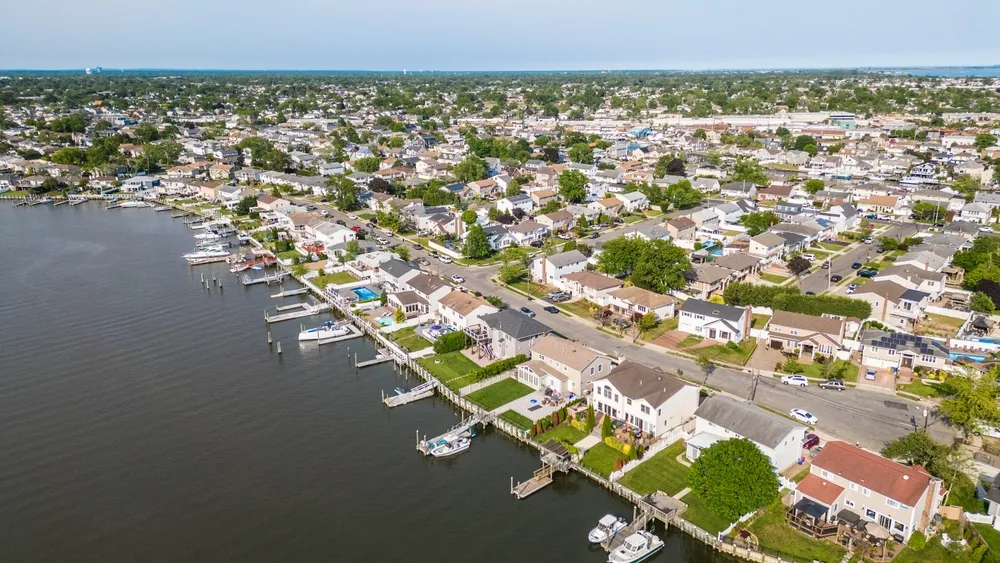
Moshe describes Long Island as a “sloppy market” with multiple forces at work simultaneously: investors buying rental properties because younger residents cannot afford to purchase, families relocating for school districts and parks, and residents leaving for lower-tax states like Florida, Tennessee, and the Carolinas.
For investors evaluating Long Island specifically, Moshe advises researching municipal development plans and tracking population movement in two directions: areas gaining residents, where demand is building, and areas losing them, where prices may soften. “If an area is losing population, prices are going to go down if the population doesn’t fill in,” he says. “And that’s where you’re going to get good buys on homes.”
Foreign capital, he adds, flows primarily into Manhattan rather than Nassau or Suffolk counties, drawn by the concentration of corporate headquarters, law firms, and the city’s global profile.
A Full-Service Model for First-Time Buyers
The firm’s other growth priority involves bundling ancillary services, title, mortgage guidance, inspections, contractors, tax certiorari attorneys, into a package presented to consumers at the point of transaction. First-time buyers in particular, Moshe argues, lack the knowledge to evaluate service providers independently and often defer entirely to their agent’s recommendations without understanding the quality differences involved.
He points to tax certiorari attorneys as one example: specialists who review property tax assessments at no upfront cost, file for reductions, and charge a fee only when the reduction is granted. “First-time home consumers don’t know about that,” Moshe says.
The broader goal is training agents to guide buyers through every ancillary decision, home warranties, inspections, contractor selection, rather than leaving those choices unstructured. “We want to make sure that we bring a full package to that consumer,” he says, “because the first-time home buyer doesn’t know where to go.”
For buyers navigating their first purchase on Long Island, the practical question is whether their agent can identify quality service providers across every step of the transaction, or whether they are left to find those providers on their own.
About the Expert: Joe Moshe is founder and broker/owner of Charles Rutenberg Realty, a brokerage covering the New York tri-state area.
This article is based on information provided by the expert source cited above. It is intended for general informational purposes only and does not constitute legal, financial, or real estate advice. Readers should conduct their own research and consult qualified professionals before making any real estate or financial decisions.
Similar Articles
Explore similar articles from Our Team of Experts.