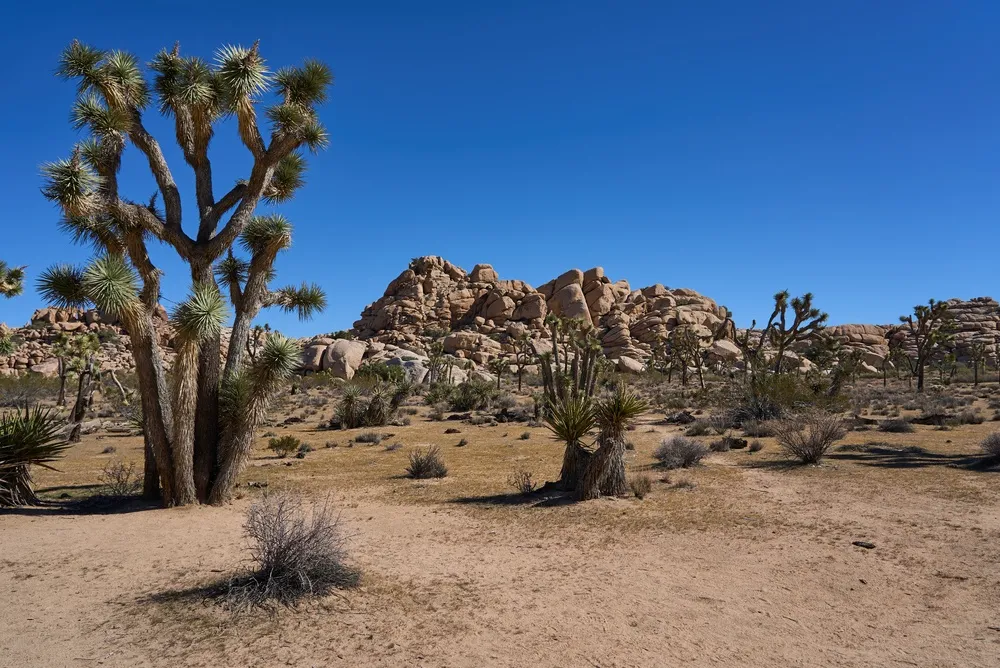
The narrative around Joshua Tree’s short-term rental market has settled into a simple story: the boom ended, and what’s left is a cautionary tale. The reality on the ground is more nuanced. The correction that began in 2022 didn’t eliminate opportunity in the high desert; it redistributed it, punishing generic properties while leaving experiential, well-positioned listings largely intact.
That distinction matters for investors still evaluating the region. According to Hargo Khalsa, a Realtor & Developer with Joshua Tree Modern who has worked the high desert since 2018, Joshua Tree National Park draws roughly 3 million visitors annually to an area with almost no commercial hospitality infrastructure. The demand driver hasn’t changed. What changed is the supply side, and not all of it survived.
A Market Defined by Segments
Khalsa describes a market that most outsiders misread by treating it as a single entity. “People come here, and they just see the desert, and they don’t realize how different each of these areas actually is,” he says.
The segmentation runs along geographic, price, and buyer-type dimensions. Twentynine Palms attracts first-time homebuyers and long-term rental investors, with homes priced below $300,000 that tend to move faster due to steady cash-buyer demand and rental income supported by the nearby military base. Joshua Tree and Yucca Valley draw artists, entrepreneurs, and coastal California buyers in the $350,000 to $650,000 range, but that middle band is also where inventory has piled up and days on market have climbed highest. Pioneertown, with its entertainment venue Pappy and Harriet’s, a film festival, and proximity to the national park, serves a luxury clientele from the Bay Area, New York, and international markets.
“The stuff kind of right in the middle of our market, between 350 and let’s say 650,000, there’s just a big oversupply and days on market is very high,” Khalsa says. Properties below $300,000 still find buyers relatively quickly. And on the luxury end, well-priced listings with genuine experiential appeal sell faster than mid-market inventory because there’s less competition at that tier.
The STR Correction
The short-term rental shakeout in Joshua Tree followed a predictable arc. During the pandemic’s low-rate environment, buyers flooded in, assuming any house could become a profitable Airbnb.
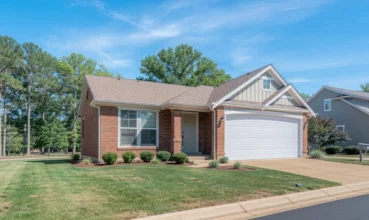
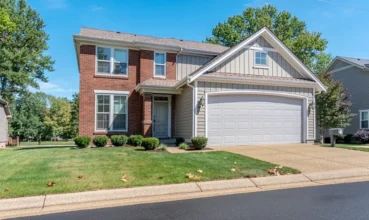
“Everybody bought a house and thought they could just turn it into an Airbnb and be successful, but that’s not really how it works,” Khalsa says. “Experiential bookings drive this area. People are coming out here for the experience of the desert, for the few neighbors, bright starry skies, people just buying a regular house in a neighborhood, that’s not going to work.”
Properties without views, seclusion, or distinctive design saw bookings collapse once pandemic-era travel demand normalized. Many have since been resold as primary residences or converted to long-term rentals. But properties built around the desert experience itself continue to perform. Khalsa frames the correction as a net positive for serious investors: “A lot of the competition has been and is still being weeded out.”
The Investor Playbook
For short-term rental buyers, Khalsa’s guidance breaks down by budget. Buyers above $650,000 should focus on Joshua Tree and Yucca Valley for proximity to the park. Under $500,000, Twentynine Palms and parts of Joshua Tree offer better positioning. Above $1 million, Pioneertown and Joshua Tree proper provide access to a higher-performing luxury segment.
For long-term buy-and-hold investors, Twentynine Palms stands out. Rents run higher than the home prices would suggest, driven partly by demand from military personnel stationed at the base. “Those are all solid strategies that you don’t really know unless you’ve spent a lot of time here,” Khalsa says.
One additional draw pulling luxury buyers into the market: bonus depreciation. Khalsa reports increased interest from high-income buyers looking to offset capital gains through real estate acquisitions that qualify for accelerated depreciation schedules. Though he emphasizes this requires careful CPA guidance and the right type of asset.
Regulatory Landscape
Because much of the high desert – including Joshua Tree, Pioneertown, and Landers – falls under unincorporated San Bernardino County rather than city jurisdiction, the regulatory environment moves slowly. That cuts both ways: permitting for new construction takes time, but the risk of sudden zoning changes or short-term rental moratoriums is lower than in incorporated cities that can act quickly.
One emerging regulatory factor: Joshua trees are now listed as an endangered species, creating development constraints on parcels with significant tree coverage. Khalsa flags ongoing litigation between the state, developers, and environmentalists over these protections as something investors should evaluate before purchasing land for development.
The broader market headwind remains the area’s nature as a discretionary purchase market. “Most people who live here are second home buyers, investment property owners,” Khalsa says. “When the market nationally tightens, and interest rates are high, this is not a must-do; it’s a can-do. And so people are less motivated to make a jump when things feel a bit uncertain.”
Tourism trends at California’s national parks, however, continue pointing upward. “If you look at trends for the national parks, particularly in California, historically speaking, the graph pretty much just goes one way,” Khalsa says. “So there’s opportunity here, period. But you do need to be smart with the property that you acquire.”
About the Expert: Hargo Khalsa is a Realtor and Developer with Joshua Tree Modern, serving the high desert communities of Joshua Tree, Yucca Valley, Twentynine Palms, and Pioneertown in California’s San Bernardino County since 2018.
This article is based on information provided by the expert source cited above. It is intended for general informational purposes only and does not constitute legal, financial, or real estate advice. Readers should conduct their own research and consult qualified professionals before making any real estate or financial decisions.