

In an era where property management is increasingly dominated by large corporations and automated systems, Fort Property Management founder Nathan Harr is championing a return to personalize...

Los Angeles Rents Have Been Falling Since Late 2022. The Decline Is Accelerating in 2026.

Written by:
Date:
28 Aug 2026
Share via Facebook

Share via Linkedin

Share via X

Copy to clipboard

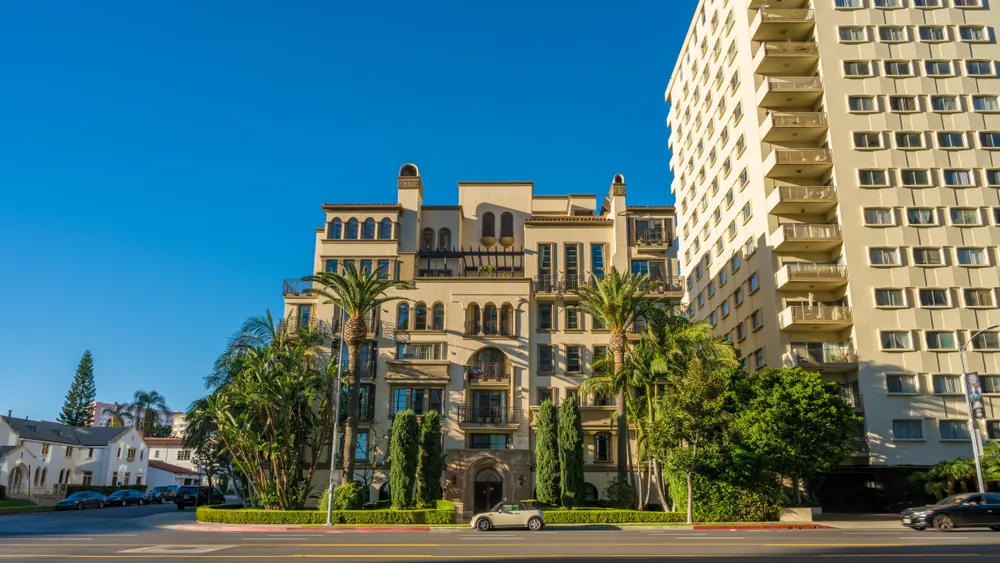
The conventional narrative about Los Angeles housing centers on scarcity and rising costs. But on the rental side, the story has reversed, and most coverage has not caught up. According to Jesse Sasomsup, Founder & President of Earnest Homes, a residential property management firm operating in Los Angeles since 2015, rents across the city have been declining steadily since late 2022, dropping roughly 1 to 2 percent annually. In 2026, that pace has picked up, with properties seeing steeper markdowns, more concessions, and longer vacancy periods than at any point in the past four years.
The shift is reshaping how landlords operate, what tenants can expect, and which property types hold value in a market where competition among listings has intensified considerably.
Concessions Are Now Standard
Two years ago, a Los Angeles landlord could list a unit without a refrigerator, skip the stove, and still attract tenants willing to furnish the place themselves. That calculus no longer works. Sasomsup says today’s rental listings need to be move-in complete to compete.
“Most rentals now, I would say they are pretty complete. You move in, it has everything,” he says. “Before, you could select which appliance not to provide.”
The competitive pressure has also pushed concessions that would have been unthinkable during the tighter market of 2020 and 2021. Earnest Homes now offers two weeks to one month of free rent as a standard moving bonus on listings. When every unit in a neighborhood offers a similar package at a similar price, differentiation comes down to what Sasomsup calls the three Ps: pricing, presentation, and promotion.
Presentation means the property looks and smells clean. Pricing means aligning with current comparables rather than aspirational figures. Promotion means offering incentives, like free rent, when a landlord is unwilling to lower the asking price.
The Pricing Mistake That Costs Owners Two Months
The gap between properties that lease quickly and those that sit reveals a consistent pattern. Landlords who have rented their units before and understand current market rates typically lease within three weeks. First-time landlords pricing above market sit for an average of 60 days.
“When the owner is renting out for the first time, they normally make a mistake of pricing too high,” Sasomsup says. The penalty for overpricing is steep in a declining market; each vacant day compounds losses that a modest price reduction at the outset would have prevented.
On renewals, the Earnest Homes team advises landlords not to increase rents at all, given the downward trajectory. The exception is rent-controlled properties, where annual increases of a few percentage points are permitted by regulation and worth capturing to avoid falling further behind allowable ceilings over time.
Supply Is Rising From Both Directions
The inventory increase putting downward pressure on rents comes from two sources simultaneously: new construction and existing owners listing units. Sasomsup ties the rise in existing-unit inventory to interest rates; owners who might have sold are instead holding and renting, adding supply to a market already absorbing new development.
One submarket drawing particular attention is Pacific Palisades, where a wildfire roughly a year and a half ago destroyed significant housing stock. “They’re going to be building. So that’s going to be an area where it’s very interesting, a lot of development going on,” Sasomsup says. For investors, the reconstruction wave there represents a concentration of new inventory entering a single high-value neighborhood over a compressed timeline.
Security and Regulation Are Reshaping Demand
In a market where most listings now look similar in terms of appliances and concessions, the properties leasing fastest share a specific feature: security. Sasomsup says units within HOA-managed buildings that offer controlled access are outperforming in a city experiencing elevated break-in activity.
Meanwhile, the regulatory environment continues to layer complexity onto operations. Sasomsup notes that what was once a 13-page lease agreement has expanded to roughly 100 pages. New regulations arrive approximately every six months, with the City of Los Angeles typically acting first before adjacent municipalities, West Hollywood, Burbank, Glendale, Pasadena, Culver City, and Santa Monica, follow.
The next regulation on the horizon: a cooling requirement that would mandate landlords install systems to keep units below a specified temperature threshold. A vote is expected in November. For landlords, each new regulation adds operating cost and compliance risk, expenses that cannot easily be passed through to tenants in a market where rents are falling.
What Landlords Should Budget For
On the cost side, Sasomsup says insurance premiums have risen due to the regulatory environment making it easier for tenants to pursue legal claims against landlords. Maintenance expenses should be budgeted at 6 to 12 percent of rent, a range he says holds consistently across property types in the market.
The layered jurisdictional structure adds another operational challenge. Sasomsup notes that four or five cities within the Los Angeles area each maintain their own rental laws on top of California state law. An investor managing properties across multiple jurisdictions faces distinct compliance requirements in each one, a complexity that surprises owners coming from markets with simpler regulatory frameworks.
For prospective tenants, the current environment represents a window. “If you are looking to move out from your parents’ house, this is a pretty good time to rent,” Sasomsup says. “The rent has been going down, and it’s starting to become a lot more reasonable than four years ago.”
The combination of falling rents, rising concessions, and fully furnished units means tenants entering the market now face lower move-in costs and more negotiating leverage than at any point since before the pandemic-era tightening. For landlords, the calculation is different: holding units vacant while waiting for a higher price costs more each month than accepting current market rates on day one.
About the Expert: Jesse Sasomsup is Founder and President of Earnest Homes, a residential property management firm operating in Los Angeles since 2015.
This article is based on information provided by the expert source cited above. It is intended for general informational purposes only and does not constitute legal, financial, or real estate advice. Readers should conduct their own research and consult qualified professionals before making any real estate or financial decisions.
Similar Articles
Explore similar articles from Our Team of Experts.