

The Great Smoky Mountains region has long attracted vacation rental investors seeking steady returns, but market dynamics are shifting. Occupancy rates in Gatlinburg have fallen sharply, fro...

In Southeast Florida's Broward County, Lower Inventory Isn't Creating the Bidding Wars Sellers Expect

Written by:
Date:
19 Aug 2026
Share via Facebook

Share via Linkedin

Share via X

Copy to clipboard

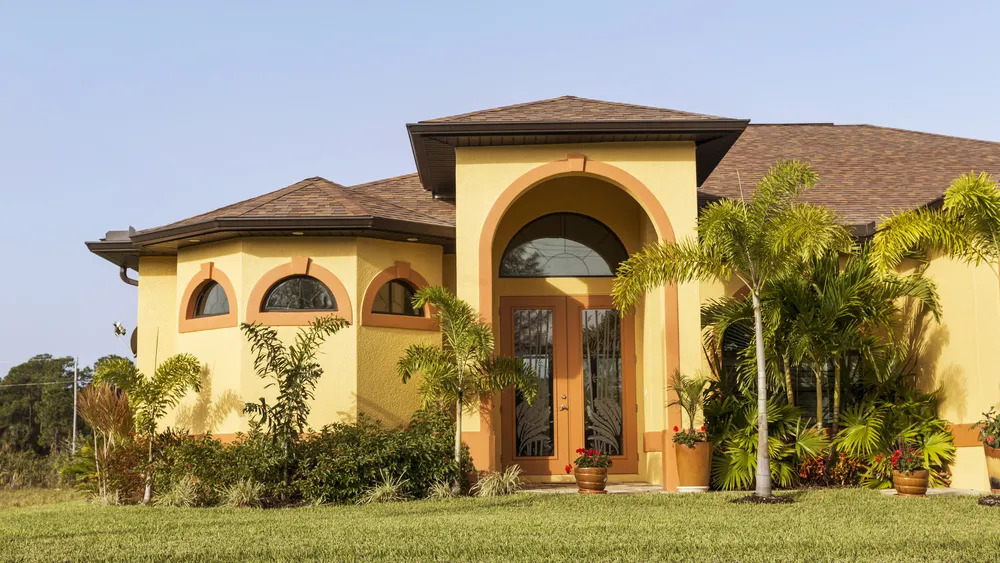
In most markets, falling inventory pushes prices up and accelerates sales. In South Florida, that relationship has broken down. Inventory is thinning, but buyers aren’t competing for what remains; they’re waiting, unwilling to pay current carrying costs for homes that don’t meet their standards. The result is a market that feels slow across segments despite conditions that, on paper, should favor sellers.
Lilli Schipper, a Broker Associate with LoKation Real Estate who has worked in Broward County for 22 years, sees it clearly. “Inventory is getting lower, which you would normally expect to create more demand,” she says. “But that’s not what we’re seeing. Buyers aren’t settling just because there are fewer options. If they don’t find what they want, they’re willing to wait.”
Affordability Is Compressing From Multiple Directions
The stall isn’t driven by a single factor. Property taxes, windstorm insurance, flood insurance, and interest rates are all elevated simultaneously, creating a monthly cost that discourages buyers even when they qualify for financing on paper.
Schipper describes the combined burden as simply too expensive for most households to accept. “It’s too much for people to afford right now with the property taxes, the prices and interest rates and insurance,” she says.
The affordability squeeze explains a pattern in her recent closings: homes priced in the $400,000 to $800,000 range are moving notably faster than higher-end listings. The median price for a single-family home in her market sits in the low six-hundred-thousands, which anchors most activity in that band. Above a million dollars, velocity depends heavily on neighborhood and timing. She currently has a $5 million newer-construction listing on over an acre that has not moved at the same pace. “Not everyone has that kind of money,” she says.
Original Homes Are Outselling Renovated Ones
One pattern that has emerged in recent months runs counter to expectation: homes in original condition are selling faster than updated properties, provided they’re priced correctly.
Schipper closed two original-condition pool homes in one to two days each, while her nicer, higher-end listings have lingered. The explanation is straightforward: original homes are priced within what buyers can actually afford, and the pool-home format offers enough desirability to prompt quick decisions from qualified buyers.
“In this market you’d think the prettier houses move quickly,” she says. “My more original houses have been selling the quickest because they are priced well and people can afford them.”
For buyers in this price range, the implication is practical: a well-priced home in original condition may face immediate competition from other buyers, while a renovated home listed above the affordability threshold may sit long enough to negotiate on.
The Seller-Buyer Disconnect
On the seller side, motivation levels vary widely. Sellers who need to transact are being realistic on price, but many are holding firm. “A lot of sellers are digging their heels, and they want their price, and they’ll wait until they get their price,” Schipper says. “There’s a bit of a disconnect sometimes between buyers and sellers.”
That disconnect is reinforced by a common misconception about comparable sales. Sellers often anchor to the one standout sale in their neighborhood while ignoring the five that closed lower, a gap that shows up at appraisal and can derail transactions. According to Schipper, appraisals factor in all recent comparable sales, not just the highest one, and sellers who price based on a single outlier risk losing a deal when the appraisal comes back below the contract price.
What Outside Buyers Don’t Expect
For buyers relocating from New York or California, a common source of demand given the area’s proximity to the airport and relative affordability, the condition of older housing stock near the beach is a frequent surprise. Even at the million-dollar-plus level, homes in East Hollywood may still need a full roof replacement, new plumbing, and new windows.
“People are surprised at the budget,” Schipper says. “Even at a million-plus, some of these houses, you still might be buying a house that still needs the roof and plumbing and windows all to be redone.”
Schipper also identifies a common first-time buyer mistake that compounds this issue: shopping for homes before understanding total monthly costs. Many buyers get pre-approved for a mortgage amount without accounting for property taxes, windstorm insurance, and flood insurance. They find a home they want, then discover the actual monthly payment exceeds what they’re willing to spend.
Vacation Rentals Are Losing Ground
For investors evaluating the area, Schipper’s guidance is direct: the short-term rental opportunity has passed. “The Airbnb market is drying up,” she says. “For investors, you need to be looking at buy and hold, long-term annual rentals. I would not be coming here for vacation rentals anymore.”
She frames the shift as a positive development for neighborhoods, noting the community broadly supports the pullback from transient rental use.
What Would Change the Trajectory
Schipper identifies interest rates as the single variable most likely to shift market activity. With property taxes and insurance already elevated, a meaningful rate decline would reduce the one cost component that can change relatively quickly, monthly mortgage payments, and potentially bring sidelined buyers back into the market. “If interest rates come down, that would definitely help fuel more activity in the real estate market,” she says.
Until that happens, the market’s defining condition persists: inventory is low, but so is urgency. Buyers who can afford current prices are selective enough to wait for the right home rather than settle, and sellers who don’t need to move are holding firm rather than adjusting to meet them. The stalemate holds because neither side faces enough pressure to close the gap.
About the Expert: Lilli Schipper is a Broker Associate with LoKation Real Estate who has worked in Broward County, Florida, for 22 years.
This article is based on information provided by the expert source cited above. It is intended for general informational purposes only and does not constitute legal, financial, or real estate advice. Readers should conduct their own research and consult qualified professionals before making any real estate or financial decisions.
Similar Articles
Explore similar articles from Our Team of Experts.