

The East Bay housing market is not one market right now; it is two, and they are behaving like strangers. At the high end, buyers with strong stock portfolios are spending freely, pushing sa...

Why Private Flood Insurers Drop Homeowners After Paying a Claim

Written by:
Date:
22 Aug 2026
Share via Facebook

Share via Linkedin

Share via X

Copy to clipboard

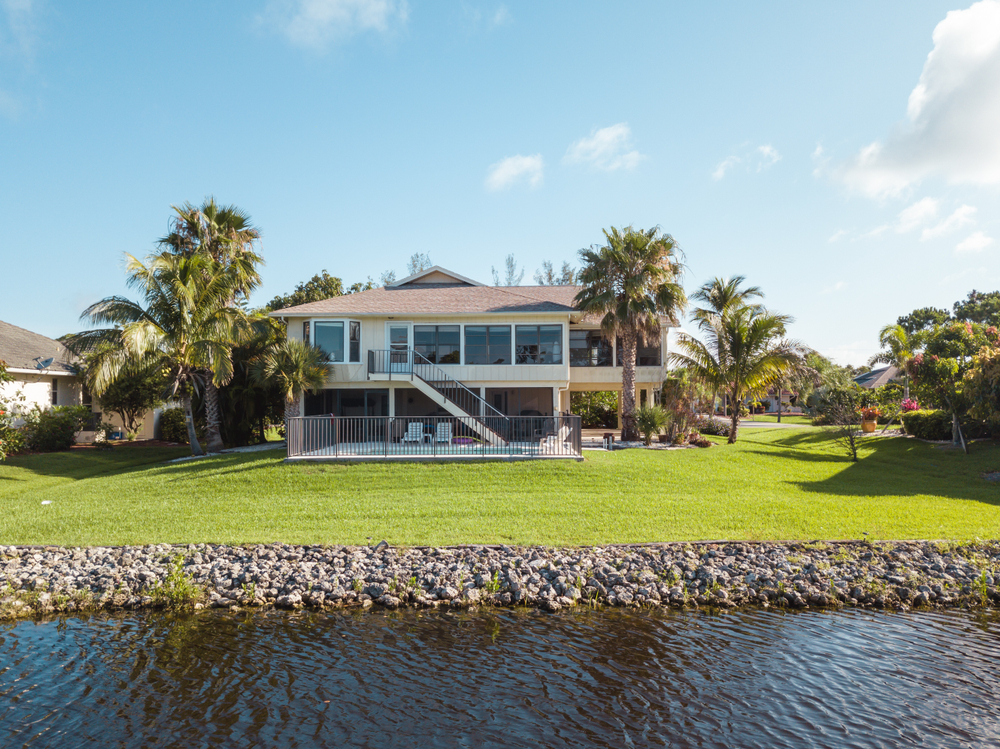
Over the past decade, private flood insurance has grown steadily as an alternative to the federal National Flood Insurance Program. For homeowners in flood-prone areas, the appeal is obvious: potentially lower premiums, sometimes broader coverage, and a familiar private-market experience. But many buyers don’t discover the trade-off until it’s too late. Private carriers can cancel a policy immediately after paying a claim. This leaves the homeowner uninsured in a location where the flood risk hasn’t changed.
Chad Berginnis, Executive Director of the Association of State Floodplain Managers (ASFPM), a national nonprofit focused on reducing flood losses, has watched the private flood market develop since legislative changes in 2012 and 2014 opened the door wider to private carriers.
The Drop-After-Claim Problem
Private insurers follow basic market principles. They need to stay profitable, avoid concentrating too much risk in one area, and adjust their books every year. In practice, Berginnis says, that means “oftentimes when somebody gets a flood claim, they will be dropped.” The insurer pays the claim, then declines to renew the policy.
This is standard behavior in private insurance markets. But flood risk differs from other insurable events. If a home flooded because of its location relative to a river or coastline, the underlying risk hasn’t changed. The homeowner still lives in the same spot and needs coverage more than ever, but the carrier has moved on.
Berginnis also notes that private carriers reassess their geographic exposure regularly. A company writing policies in one market one year may exit that market entirely the next year. This isn’t tied to any individual policyholder’s claims. It happens because the carrier decides the region’s overall risk profile no longer fits its portfolio. For homeowners, coverage stability depends on more than personal claims history. It also depends on how the entire region performed.
The Federal Alternative
The NFIP operates on a fundamentally different model. It’s a federal program, not a profit-driven enterprise. Berginnis notes that roughly 22,000 communities nationwide participate in the program. If a community participates, residents have access to a policy regardless of personal flood history. “If your community participates in the NFIP, you can buy an NFIP flood insurance policy, period,” Berginnis says. “Even if you have repetitive flood losses, you can buy an NFIP policy.”
No private carrier offers that guarantee.
The downside is that NFIP premiums have risen under the Risk Rating 2.0 pricing system implemented in 2021. ASFPM has flagged flood insurance affordability as a growing problem over the past two decades. The organization says Risk Rating 2.0 made pricing more reflective of actual risk, but it worsened affordability since no assistance program was created alongside it. The program is stable and accessible, but not necessarily cheap.
Life After Being Dropped
Berginnis describes a recurring cycle. A homeowner shops around, finds a private policy with a lower premium than the NFIP, and switches. A year or two later, that homeowner wants back into the federal program, often because of a claim, a premium increase, or the carrier exiting the market. The NFIP will take them, but the transition isn’t always seamless.
This pattern matters most to buyers evaluating a property that already has a private flood policy. That policy doesn’t guarantee the next owner will be able to keep it. In areas where private carriers have been entering and exiting, the coverage landscape could look very different a year after closing.
What Homeowners Should Weigh
The distinction is not that private flood insurance is bad. It gives homeowners more options, and competition can improve pricing and coverage terms. But as Berginnis frames it, “with a private policy, it works like a private sector policy,” carrying both benefits and risks. Benefits include potentially lower costs and customizable coverage. Risks include cancellation after claims, annual repricing, and the possibility that a carrier simply leaves a market.
For homeowners in areas with moderate but recurring flood exposure, the stability question may matter more than the premium question. A policy that costs less today but disappears after the first claim leaves a homeowner in a worse position than one that costs more but stays in force year after year.
Buyers considering properties in flood zones, particularly areas with histories of repetitive losses, should price out both options. They should also factor in what happens after the first flood event, not just in year one.
About the Expert: Chad Berginnis is Executive Director of the Association of State Floodplain Managers, a national nonprofit with nearly 7,000 members across local government, state agencies, and the private sector. He has spent over 30 years in floodplain management across local, state, private-sector, and nonprofit roles.
This article is intended for informational purposes only and does not constitute legal, financial, or investment advice. The views and opinions expressed herein reflect those of the individuals quoted and do not represent an endorsement of any company, product, or service mentioned. Readers should conduct their own due diligence and consult qualified professionals before making any investment decisions.
Similar Articles
Explore similar articles from Our Team of Experts.