

Coliving properties are producing gross rents 20–40% higher than traditional rental models, according to Clara Arroyave, Founder and CEO of Coliving Cashflow. This premium comes from recon...

On Florida's Marco Island, Condo Rules Are Quietly Killing Investor Returns
Share via Facebook

Share via Linkedin

Share via X

Copy to clipboard

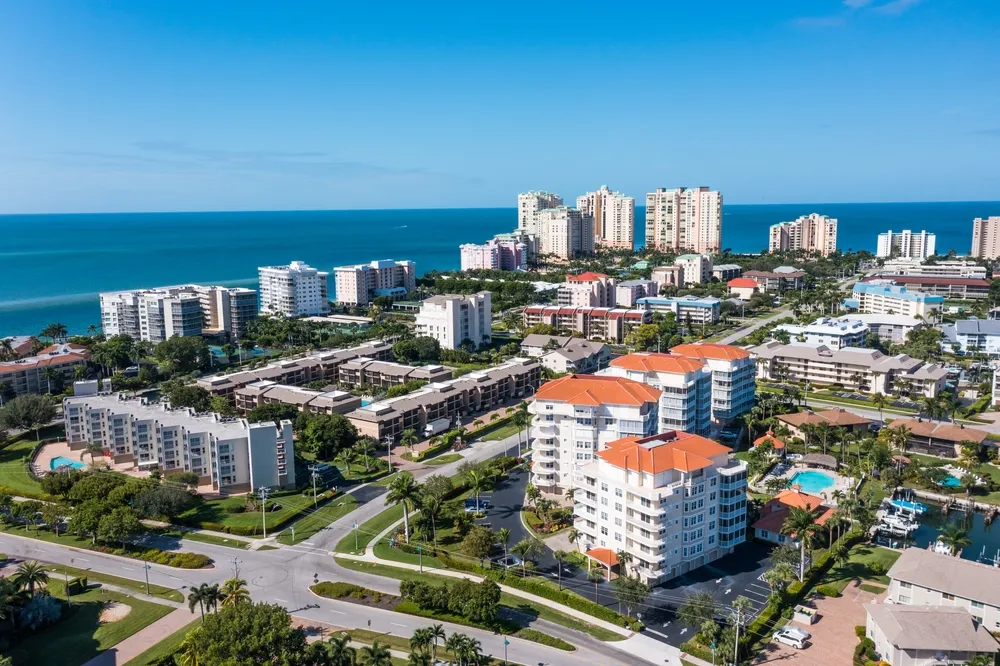
The investment case for beachfront condos on Marco Island looks compelling on the surface: a resort island where the seasonal population swells from 17,000 to over 60,000 people, a chronic shortage of hotel inventory, and strong demand from visitors seeking Gulf views and beach access. But a significant portion of the condo inventory on the island carries rental restrictions that can quietly eliminate most of the income potential investors are counting on.
The Rental Restriction Problem
Many condo communities on Marco Island impose rules that are fundamentally incompatible with an investment strategy. Some buildings require a minimum 30-day rental period. Others cap the total number of rentals permitted in a calendar year at three or four. For an investor hoping to capitalize on the island’s peak season traffic, these restrictions can render a property nearly useless as an income-producing asset.
“Many of the condos have rules that don’t benefit investors,” says Yvette Wrona, a Realtor with Premiere Plus Realty Co. “They may require 30-day minimums. They may only allow three or four rentals a year. That’s not going to turn enough for an investor.”
These restrictions are not always visible in a listing or obvious during a casual property search. They are embedded in HOA governing documents, and buyers who don’t know to look for them, or who don’t have an agent flagging the issue, can close on a property before discovering that their intended rental strategy is prohibited.
Weekly Vs. Monthly Rental Structures
The distinction between building types comes down to simple arithmetic. The strongest investment condos on Marco Island allow weekly rentals, giving an owner the theoretical ability to rent the unit up to 52 times per year. A building that caps rentals at four per year, even if each rental commands a premium rate, cannot generate comparable income, particularly when carrying costs, including HOA fees, insurance, taxes, and maintenance, are factored in.
Wrona notes that the investment market on Marco Island has narrowed considerably from a decade ago, when cash-flowing properties were easier to identify. Today, investors seeking financing may find it difficult to achieve strong returns, while cash buyers have greater flexibility to target the right inventory and capture higher yields.
“Ten years ago, you could find properties where you could make more than 10% pretty easily with condos,” Wrona says. “If it requires you getting a mortgage, it might be a challenge, but if you have the cash, then you’re going to be able to get that higher ROI.”
The investment opportunity on Marco Island is real. Still, it is narrower than it appears, concentrated in specific buildings with investor-friendly rental rules, and increasingly dependent on the buyer’s ability to deploy capital without leverage.
Seasonal Population Swings
The underlying demand that makes Marco Island attractive to investors is undisputed. The full-time resident population of roughly 17,000 swells to more than 60,000 during peak season in February and March, with the overflow largely absorbed by investor-owned condos and single-family homes. That seasonal surge supports strong nightly and weekly rates during the high season.
Single-family homes generally do not face the same rental restrictions as condos, making them a more straightforward investment vehicle for buyers seeking flexibility. The tradeoff is a higher acquisition cost and a different carrying cost structure, but without the HOA-imposed rental caps that can undermine a condo investment strategy.
“The best investments are going to be those where there’s a weekly minimum, and you can rent it 52 times a year, or a single-family home where you don’t have those rental constraints,” Wrona says.
For investors combining personal use with rental income, a profile Wrona says she is seeing more frequently, the rental restriction question becomes even more critical. A buyer who plans to use the property for several weeks per year and rent it the rest of the time needs to know exactly how many rental transactions the building permits, and whether personal use counts against that cap.
Due Diligence
Wrona says that identifying rental-friendly inventory is one of the first filters she applies when working with investor clients. Her process involves reviewing HOA documents and rental rules before a buyer becomes emotionally attached to a property, so that the investment analysis reflects what the building actually permits rather than what the buyer assumes.
She also flags the growing importance of understanding HOA financial health alongside rental rules, particularly in the wake of Florida’s evolving reserve and inspection requirements, which have triggered special assessments in some communities. An investor who buys into a building with favorable rental rules but underfunded reserves may face unexpected costs that erode returns.
As more buyers arrive on Marco Island with hybrid personal-use and investment goals, the ability to quickly identify which buildings support that strategy, and which ones quietly prohibit it, represents one of the more consequential forms of local expertise an agent can offer. For investors who skip that step, the discovery tends to come after closing, when the damage is already done.
About the Expert: Yvette Wrona is a Realtor with Premiere Plus Realty Co., specializing in the Marco Island market in Southwest Florida.
This article is intended for informational purposes only and does not constitute legal, financial, or investment advice. The views and opinions expressed herein reflect those of the individuals quoted and do not represent an endorsement of any company, product, or service mentioned. Readers should conduct their own due diligence and consult qualified professionals before making any investment decisions.
Similar Articles
Explore similar articles from Our Team of Experts.

Perspectives, Real Estate Investment, Industry News, Residential Real Estate, Market Analysis & Policy
A notable migration trend is transforming Orlando’s luxury real estate market, with California buyers increasingly opting for Central Florida over established high-end destinations lik...

Perspectives, Real Estate Investment, Industry News, Commercial Real Estate, Market Analysis & Policy
The commercial real estate investment climate in the DC metro area is marked by low vacancy rates and targeted opportunities, according to Jesse Elliott, Managing Partner of The Ellitan Grou...