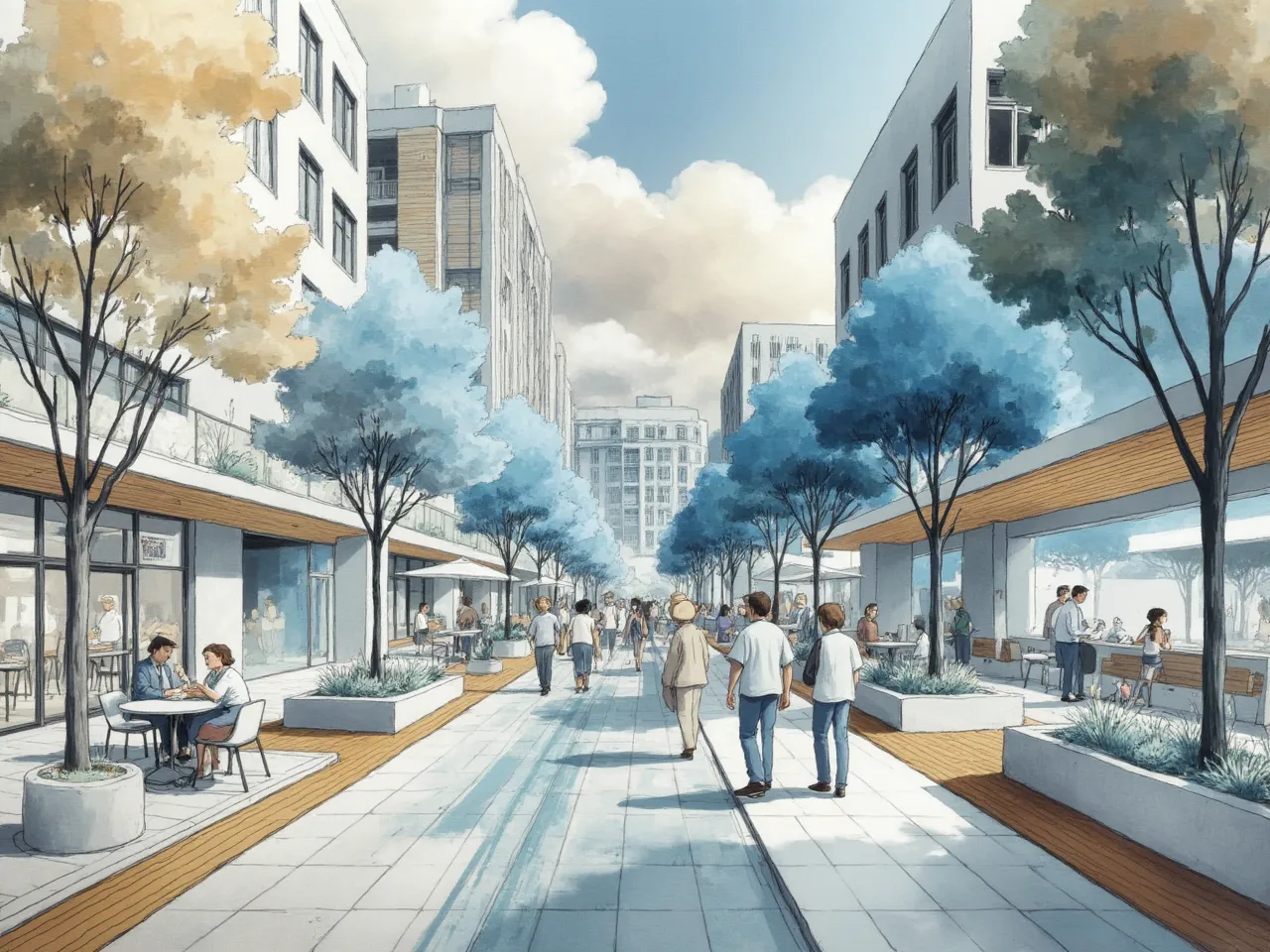
Mixed-use developments in Atlanta — walkable neighborhoods with apartments, shops, restaurants, and green spaces — are leasing up before construction even begins. In many cases, retail and restaurant spaces are fully committed months or even years ahead of opening.
This surge is not simply developer optimism. Demand for integrated, walkable communities has changed the local real estate landscape, affecting buyers, renters, and small business owners across the city.
Why Mixed-Use Is Booming Now
The pandemic reshaped how people think about their daily routines and neighborhoods. With remote work and shifting priorities, many now want to walk to a coffee shop, work from a nearby office, or grab dinner without driving. Mixed-use developments, often called “live-work-play” communities, meet these needs by combining residential, retail, office, and recreational spaces in one location.
“After COVID, people love the outdoor mixed-use,” says Erica Nguyen, senior commercial advisor at UC Commercial Properties in Atlanta. She notes that projects offering high-quality food and beverage options, hotels, and luxury apartments are especially popular.
Developers are responding by pre-leasing commercial spaces long before construction is finished. For small business owners, this means intense competition for prime locations. For residents, it means projects are carefully curated, with restaurants, boutiques, and entertainment venues selected to attract visitors from across metro Atlanta.
The Atlanta Projects Setting the Pace
Not all mixed-use developments succeed equally. A handful of projects have become regional destinations, setting the standard for what works in Atlanta.
Avalon in Alpharetta stands out for its consistent high foot traffic and balanced mix of national and local tenants. Its reputation as a busy, attractive destination has made it the model for others. In Midtown, Colony Square—redeveloped by North American Properties—has turned a declining mall into a vibrant urban hub through a $2 billion overhaul.
The Forum, currently being redeveloped, follows a similar approach: converting an underperforming indoor mall into an open-air space with green areas, outdoor dining, and a tenant mix that reflects current consumer preferences.
“Most of these are redevelopments,” Nguyen explains. “The old indoor mall doesn’t work. Now it’s about green space, entertainment, and re-merchandising.”
Several new projects are also underway. A $60 million development in Johns Creek is set to open in October, and a $3 billion project—including a potential National Hockey League arena—has received city and county approval. These projects illustrate the scale and ambition driving the trend.
Implications for Renters and Buyers
Living in a mixed-use community comes at a premium. Apartments at Avalon or Colony Square command higher rents than similar units elsewhere, but residents are paying for walkability, amenities, and access to a curated lifestyle.
For buyers, homes in these developments tend to retain value and sell quickly due to sustained demand. Competition is high—multiple offers are common in sought-after projects.
Renters face a clear trade-off: higher monthly costs in exchange for amenities and a sense of community that traditional apartment complexes rarely match. For remote workers or those who prioritize convenience, the extra cost often feels justified.
What Small Business Owners Need to Know
Landing a location in a successful mixed-use development can significantly boost business performance. These projects generate steady foot traffic from residents, office workers, and visitors, often resulting in higher sales volumes than traditional shopping centers.
However, rent is higher, and landlords are selective. Developers favor proven brands and experienced operators who can handle the demands of a busy, high-profile environment.
“You pay for what you get,” Nguyen says. She points out that a business generating $2 million annually in a mixed-use project may outperform several locations in smaller centers.
New entrepreneurs must demonstrate strong financial backing and readiness to operate at scale. For expanding businesses, mixed-use locations can accelerate growth—provided the concept and business model fit the expectations of both landlords and customers.
What’s Next
Atlanta’s appetite for mixed-use developments shows no sign of slowing. With projects pre-leasing well before completion and new large-scale developments in the pipeline, these neighborhoods are becoming the preferred model for urban living in the region.
For buyers and renters, understanding the premium attached to convenience and amenities is essential. For business owners, success depends on a strong concept, operational experience, and the ability to meet the higher expectations of mixed-use environments.
These developments are not simply a trend—they reflect a concrete shift in how Atlantans want to live, work, and spend their time. As more projects break ground and established centers continue to thrive, mixed-use communities are likely to play an even larger role in shaping the city’s real estate landscape in the years ahead.
This article is based on information provided by the expert source cited above. It is intended for general informational purposes only and does not constitute legal, financial, or real estate advice. Readers should conduct their own research and consult qualified professionals before making any real estate or financial decisions.
About the Expert: Erica Nguyen is a Senior Commercial Advisor at UC Commercial Properties in Atlanta. She specializes in mixed-use developments, tenant representation, and helping small businesses secure commercial leases, and is currently working on her own mixed-use project.