

If you’ve been watching Miami real estate from the sidelines, waiting for prices to dip before making a move, consider this: many buyers who held back a year ago are now facing higher ...

In Central Florida, the Depreciation Myth Is Keeping Buyers Away From Manufactured Homes

Written by:
Date:
07 Jul 2026
Share via Facebook

Share via Linkedin

Share via X

Copy to clipboard

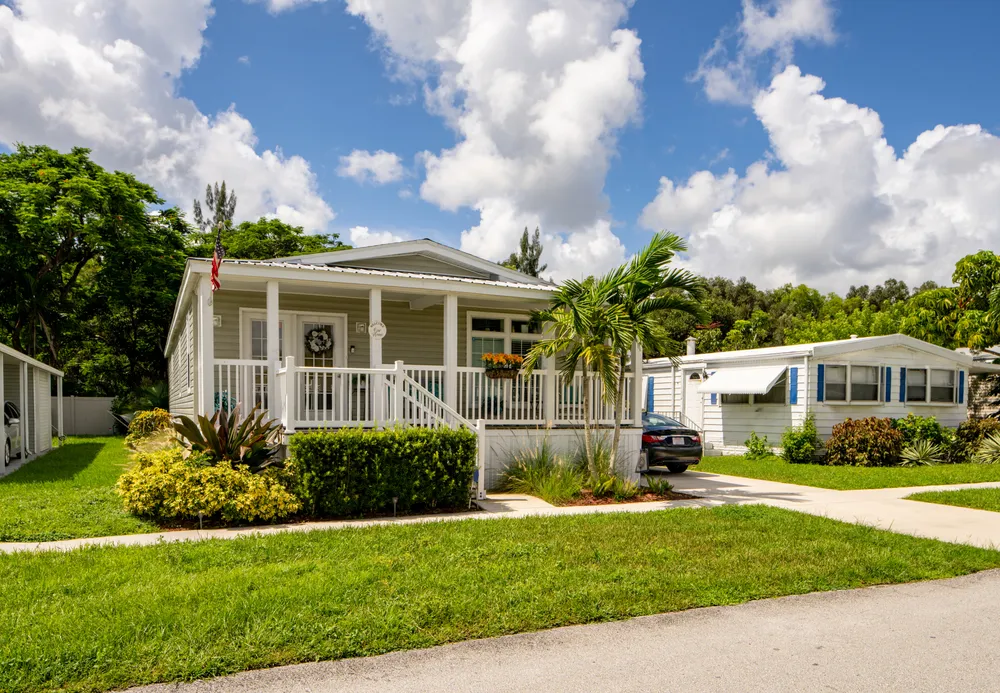
Walk into certain manufactured home communities in Central Florida, and you’ll find homes built in the early 1980s selling for prices that would surprise most buyers who’ve written off the category entirely. The assumption – that manufactured homes lose value the way a used car does, steadily and without recovery, is one that brokers working in this market say is outdated and costing buyers real options.
With conventional home prices in the Orlando area climbing sharply over the past several years, more buyers are looking at manufactured homes as a practical alternative. But the depreciation stigma continues to suppress demand, even as renovated units sell consistently and the gap between perception and transaction data widens.
JoAnne Gauthier, a broker with Four Star Homes, Inc. in the Orlando area, hears the depreciation argument regularly. She’s been selling manufactured homes in Central Florida for five and a half years, and says the belief that these homes simply lose value over time doesn’t match what she sees at the transaction level.
The reality is more specific. A manufactured home carries a DMV title, much like a vehicle, and the title year stays fixed to the original build date regardless of improvements made. A home built in 1981 that has been fully gutted and renovated – new flooring, granite countertops, updated appliances, new roof – is still titled as a 1981 home. That distinction matters for insurance purposes. In Florida, where insurers are already aggressive about hurricane-related risk, an older title year can mean higher premiums or more limited coverage options.
Renovations Change Everything
But the title year doesn’t tell the full story of what a home is worth or what condition it’s in. Gauthier describes a pattern that plays out regularly in her market: investors buy older homes, strip them to the shell, and rebuild the interior from scratch. The result is a home that looks nothing like its age from the inside. “Buyers who walk in expecting a dated trailer find something completely different,” she says.
The oldest homes in Gauthier’s community were built in 1980, and renovated versions of those homes are selling, not sitting. The investment logic is straightforward: the cost of a full interior renovation on a small manufactured home is a fraction of what the same work would run on a site-built house, and the finished product can command a price that reflects the renovation rather than the title year.
Value Is Not Equity
This doesn’t mean manufactured homes build equity the way traditional real estate does. Gauthier is direct about that limitation. Buyers counting on appreciation to fund a future move or leave an asset to their children are working with a different set of expectations than they would in conventional real estate. In a park setting, the land – which drives much of the long-term value in site-built housing – is never yours. You own the structure; the park owns the ground.
What the depreciation myth obscures is that value and equity are not the same thing. A manufactured home can hold its value – or recover value through renovation – without behaving like a traditional real estate investment. For buyers who are not primarily motivated by long-term appreciation, that distinction opens real options. For buyers who are, it’s a genuine limitation worth weighing carefully before signing anything.
Get Insurance Quotes Early
The insurance picture also deserves attention before committing to a purchase. Because Florida insurers factor title age into their risk calculations, a 1980s home – even a fully renovated one – may face different underwriting than a newer model. Gauthier flags this as one of the real-world consequences of the title system that buyers don’t always anticipate. Getting an insurance quote before closing, rather than after, can surface costs that don’t appear in the purchase price.
The broader point is that the manufactured home market in Central Florida is not a single category. A 1981 shell with original fixtures and a 1981 shell with a complete gut renovation are priced differently, insured differently, and serve different buyers. Treating the depreciation assumption as a blanket rule means missing the variation that actually exists on the ground.
The Math Still Works
Gauthier notes that a home she purchased years ago for $140,000 is now listed at $465,000 – an illustration of how far conventional prices in the Orlando area have climbed. That gap is precisely what draws buyers to the manufactured home sector after doing the math and concluding the tradeoffs are acceptable. Whether the depreciation concern belongs on that list depends on the specific home, its condition, and what the buyer actually needs the asset to do.
About the Expert: JoAnne Gauthier is a broker with Four Star Homes, Inc. in the Orlando area, specializing in manufactured homes in Central Florida’s 55-plus communities for nearly five and a half years. Her background includes a long career in mortgage lending and residential real estate.
This article is intended for informational purposes only and does not constitute legal, financial, or investment advice. The views and opinions expressed herein reflect those of the individuals quoted and do not represent an endorsement of any company, product, or service mentioned. Readers should conduct their own due diligence and consult qualified professionals before making any investment decisions.
Similar Articles
Explore similar articles from Our Team of Experts.