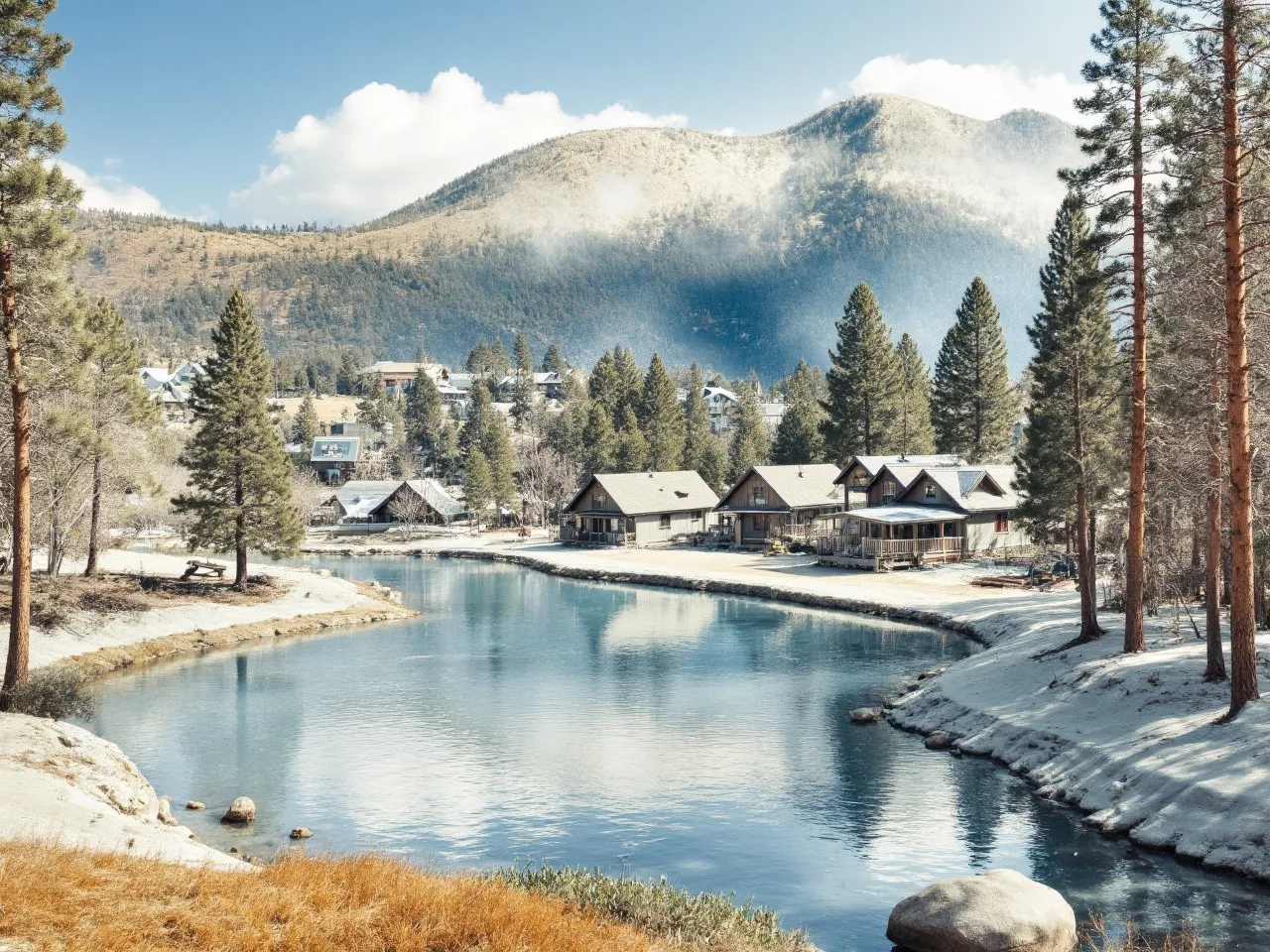
During the pandemic, Big Bear vacation rentals became unusually profitable. The Southern California mountain town surged to the top of Airbnb’s global rankings in 2020 and 2021, as city dwellers flocked to open spaces and remote work made weeklong escapes possible. For a brief period, owners enjoyed record occupancy and rental income that often covered their mortgage, insurance, and maintenance costs.
That period has ended.
Today, Big Bear’s short-term rental market has reverted to its historical pattern: vacation rentals typically cover only 50% to 60% of ownership costs. Demand has cooled, rental income has dropped, and the investment math that worked three years ago no longer adds up for buyers seeking positive cash flow.
Mark Dolan, a broker with RE/MAX Big Bear, has sold real estate in the San Bernardino Mountains for over 40 years. He’s witnessed two major waves of investment buying: the late 1990s, when Baby Boomers began snapping up second homes, and the pandemic era, when remote work and surging vacation rental demand collided. Both booms eventually faded, but Dolan notes that today’s buyers are recalibrating their expectations more quickly than in past cycles.
Pandemic Boom
In 2020 and 2021, Big Bear’s open businesses and outdoor activities drew record numbers of visitors while other destinations remained shut down. Owners saw unprecedented demand, with nightly rates and occupancy that sometimes exceeded the full cost of ownership.
“People were making positive cash flow from vacation rentals,” Dolan says. Prices appreciated rapidly, but that momentum has stopped.
In 2025, Big Bear home sales slipped by less than 4% from the previous year, and average prices held steady around $598,000. The more significant change is in buyer motivation. Investors who purchased properties expecting reliable rental income are now facing fewer bookings, lower nightly rates, and higher expenses.
Rising insurance costs have become a major challenge. Fire insurance premiums in Big Bear have climbed sharply over the past two years, driven by California’s wildfire risk. Dolan points out that insurance, rather than interest rates, has become the biggest obstacle for buyers. The Big Bear Lake Fire Authority has improved fire safety ratings through fuel reduction and other measures, which has helped modestly. Still, insurance remains expensive until the state allows more competition.
Who’s Still Buying and Why
Despite the cooling market, buyers are still purchasing vacation homes in Big Bear, but with different expectations. Most see rental income as a way to offset costs, not as a path to profit.
“Short-term rentals have always been a supplement to your income toward the cost of home ownership,” Dolan says. “It’s never been break-even or positive cash flow, except during COVID.”
This approach works for buyers who want a mountain getaway for personal use and are willing to rent it out when they’re not there. Rental income helps cover the mortgage, property taxes, and upkeep, but rarely pays for everything. Investors seeking reliable passive income are less active in today’s market.
Big Bear’s buyer pool has long consisted of affluent second-home owners, most of whom live elsewhere in Southern California or Las Vegas. About 80% of properties are owned by out-of-towners, though that is shifting slightly as more remote workers make Big Bear their primary residence. Still, the market is driven by discretionary buyers — people who can wait to buy or sell, rather than acting out of necessity. When prices dropped 10% to 15% from the post-pandemic peak, many sellers pulled their listings rather than accept lower offers.
What Buyers Should Expect
Anyone considering a Big Bear vacation rental today needs to approach it as a lifestyle purchase, not an investment. Rental income typically covers just over half of ownership costs in a normal year. Buyers must also factor in higher insurance premiums, ongoing maintenance, and occupancy rates that have returned to pre-pandemic levels. The numbers can work if you plan to use the property yourself for several weeks a year. But if you’re relying on rental income to cover the full cost, you’re likely to be disappointed.
The market has stabilized, with homes now spending an average of 107 days on the market. This slower pace gives buyers more time to evaluate properties and negotiate. While activity in the middle price range has slowed, luxury buyers have returned. Dolan’s office has already closed multiple deals over $2 million in early 2026, which he sees as a sign of renewed confidence among well-capitalized buyers. “When people with full bank accounts are buying high-end properties, it’s usually a leading indicator that the market is going in the right direction,” Dolan says.
Looking Ahead
Big Bear’s vacation rental market has settled back into its historical rhythm. For most buyers, owning a property here means enjoying a mountain retreat, using rental income to help offset costs, and accepting that the home won’t pay for itself. The days of break-even or profitable cash flow from short-term rentals are over for now.
For those seeking a mountain getaway with some financial relief from renters, the market remains accessible and stable. But buyers hoping for investment-level returns should adjust their expectations. Big Bear’s appeal is enduring, but its vacation rentals have returned to being a lifestyle purchase first and foremost.
About the Expert: Mark Dolan is a Broker/Office Manager, RE/MAX Big Bear. Specializing in four-season mountain resort properties, second homes, vacation rentals, and primary residences across the San Bernardino mountain communities.
This article is based on information provided by the expert source cited above. It is intended for general informational purposes only and does not constitute legal, financial, or real estate advice. Readers should conduct their own research and consult qualified professionals before making any real estate or financial decisions.