You’ve just closed on your first house. You have the keys, the mortgage, and a list of projects to tackle. But most new homeowners overlook one critical step: planning for when something b...

Altadena, California Is Rebuilding After the Fire. Not Everyone Can Afford to Come Back.

Written by:
Date:
11 Jun 2026
Share via Facebook

Share via Linkedin

Share via X

Copy to clipboard

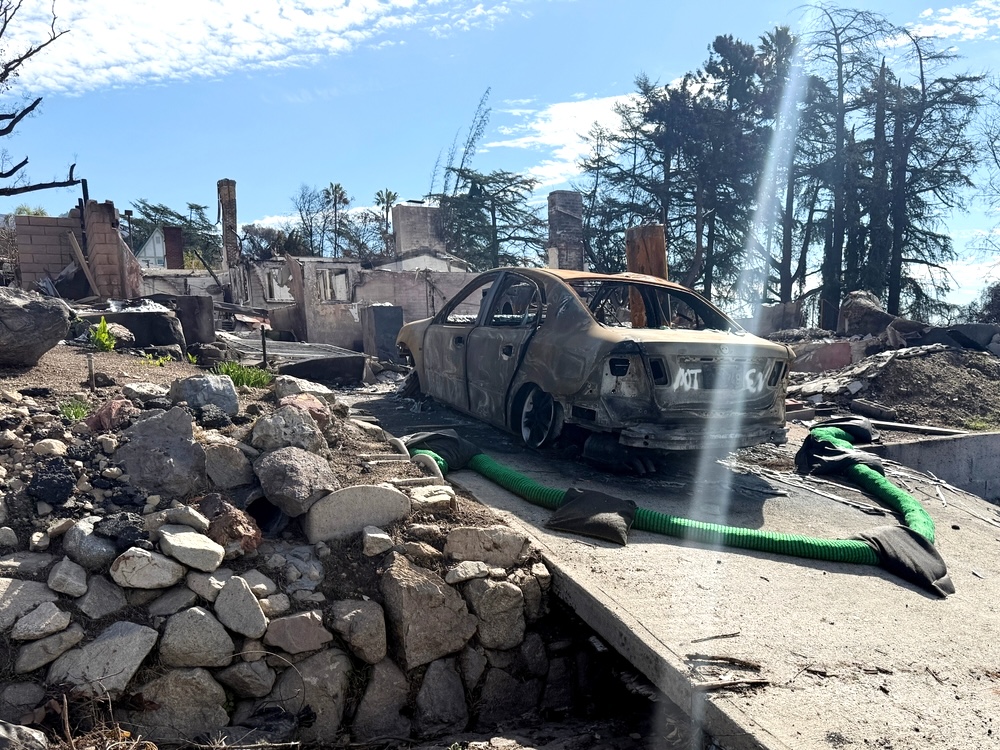
Permit dashboards and rebuild tallies have become a way for outside observers to measure how well California’s fire-hit communities are recovering. But the people living within those numbers say the comparisons are being misread, and that the most important story is not in the totals at all.
As of early June 2026, Altadena had issued more than 2,600 building permits following the January 2025 Eaton Fire, with over 1,500 structures actively under construction and more than 60 homes already completed and occupied. The Pacific Palisades, which burned in the same fire event, had completed one or two. That gap looks like a dramatic difference in recovery speed. Nic Arnzen, chair of the Altadena Town Council, says it mostly reflects a structural difference between an unincorporated community and an incorporated city – not a difference in how well either community is being served.
Altadena is unincorporated, meaning it operates under Los Angeles County rather than its own municipal government. It permits flow through the county’s system, which has been streamlined specifically for fire recovery. The Palisades is part of the City of Los Angeles and is subject to a separate permitting process. Arnzen is careful not to frame Altadena’s numbers as a win over a neighbor in pain. “Palisades felt our pain, and we feel Palisades’ pain,” he said. The only fair comparison, in his view, is how many buildings have actually been completed relative to what each area lost, a number that looks far less impressive for both.
What the permit numbers do reveal is something more useful for displaced residents trying to decide when to act: the system is moving faster than most people expected. According to Arnzen, the average permit currently takes about 122 days from submission to issuance. Of those days, only around 30 to 32 are spent in the county’s hands. The remaining 90-plus days are in the applicant’s hands, waiting on architects, engineers, financing, or decisions the homeowner has not yet made.
That breakdown reframes where the bottleneck actually is. Many residents rushed to submit permit applications early, worried the county system would be overwhelmed. Some are now sitting on approved permits while they wait to secure construction financing or resolve insurance settlements. The permit itself is not the obstacle for most people at this stage.
The insurance piece is where the recovery picture gets significantly darker. Arnzen estimates that in a typical small group of Altadena survivors, nine out of ten are experiencing ongoing insurance problems. Those range from paperwork volume designed to exhaust claimants into accepting low settlements to the deeply painful task of itemizing every possession lost, room by room, object by object, to document a claim. Residents who fled their homes in under 12 hours are being asked to reconstruct the value of a lifetime of belongings. Many are weighing whether the additional payout is worth the emotional cost of completing that process.
Southern California Edison has established a compensation fund that Arnzen describes as reasonably robust; the company has reportedly paid out between $60 million and $100 million to date. Arnzen acknowledges this as a meaningful signal that the utility is not contesting its role in the fire. But the fund works better for some residents than others. Families with the financial stability to wait may ultimately receive larger legal settlements. Families who need money now do not have that option, and the fund requires them to make that choice before the full picture is clear.
The financial pressure is showing up in ways that go beyond insurance. Arnzen says the past three months have brought a visible spike in desperation among the survivors he sees daily at the community hub he manages. Insurance policies that covered 18 months of temporary housing are expiring. Some residents are living in tents on unremediated land because they have nowhere else to go. The rebuild numbers on the county’s LA County Recovers dashboard look like progress – and in some ways they are, but they do not capture the residents who have already concluded they cannot afford to come back at all.
For anyone trying to understand what the permit numbers actually mean for Altadena’s housing market, the county dashboard is worth checking directly. The gap between permits submitted, permits issued, and structures under construction tells a more layered story than the headline completion count: a community where the official recovery infrastructure is functioning, but where the financial reality for a significant share of displaced residents has grown more difficult, not less, as the 18-month mark passes.
About the Expert: Nic Arnzen is the chair of the Altadena Town Council, where he focuses on community recovery and land-use policy following the January 2025 Eaton Fire. He also serves as the facilities director of a community hub for fire survivors in Altadena.
This article is intended for informational purposes only and does not constitute legal, financial, or investment advice. The views and opinions expressed herein reflect those of the individuals quoted and do not represent an endorsement of any company, product, or service mentioned. Readers should conduct their own due diligence and consult qualified professionals before making any investment decisions.
Similar Articles
Explore similar articles from Our Team of Experts.