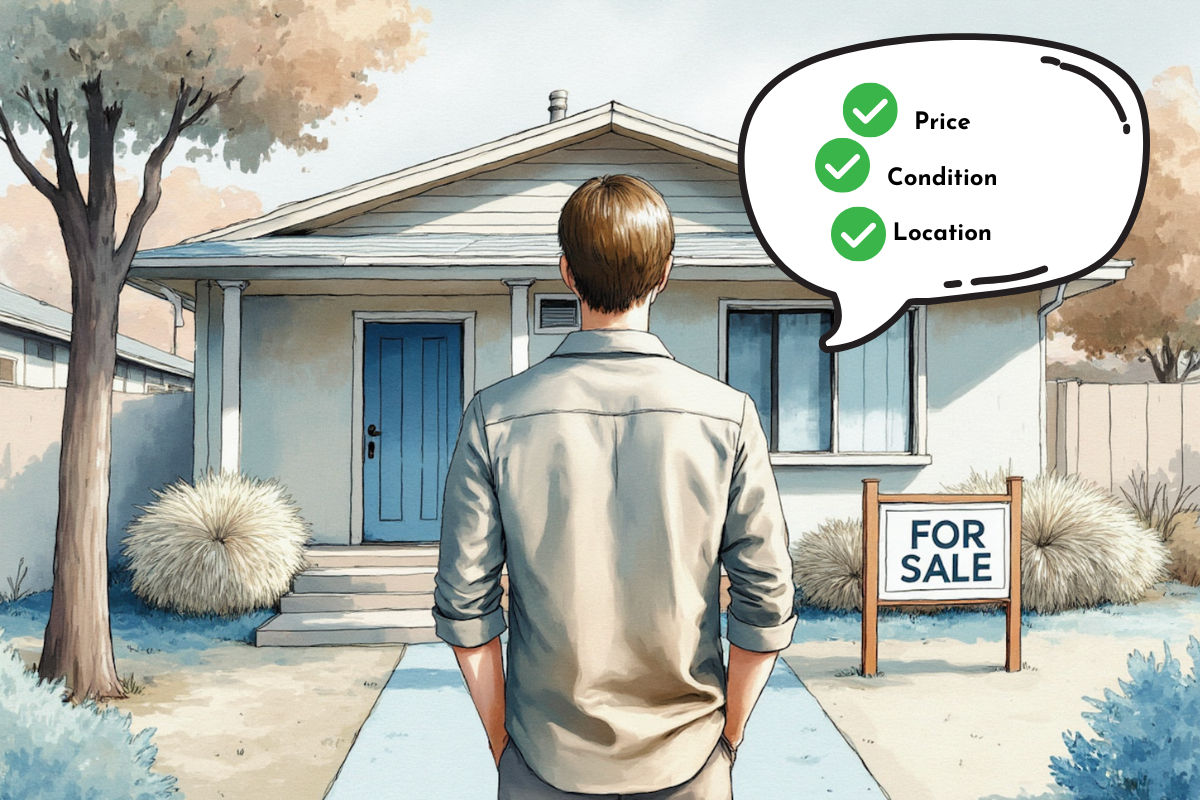
Real estate expert Jessica Randolph is challenging one of the industry’s most sacred principles. “It’s not location, location, location, it’s Price, Condition, Location,” says the founder of How To Buy A House Class, arguing that this shift in thinking could be the key for buyers struggling in today’s market.
Breaking Down the New Formula
According to Randolph, who teaches real estate education programs in 45 cities across the U.S., the traditional emphasis on location above all else has become outdated. “Maybe we can find something that’s a pretty good location, that’s a really good price, and maybe the condition just needs a little bit of love,” she says, describing her approach to helping buyers enter the market.
This strategy, Randolph argues, opens up opportunities that many buyers might otherwise overlook. By prioritizing price first, buyers can focus on what they can actually afford rather than getting stuck waiting for the perfect location to become available in their price range.
The Power of Strategic Compromise
To illustrate her point, Randolph shares the story of a recent client, a single mother of three who had been perpetually renting and struggling with debt. “She was the last person on Earth that she felt like would ever be able to buy a house,” Randolph says.
By applying the price-condition-location framework, they found a three-bedroom, two-bath house 30-45 minutes outside Nashville for $195,000. While the location wasn’t prime and the property needed some work, the strategy paid off dramatically. “She now has been in that house for about four years, and I think we could sell the house for $350,000 today,” Randolph notes.
Making the Framework Work
Randolph’s approach involves several key considerations:
1. Payment Comfort: “Focus on your payment and what you feel comfortable with every month paying,”she advises, rather than stretching for a better location.
2. Potential Over Perfection: Look for properties where condition improvements can drive value appreciation.
3. Strategic Location Compromise: Consider areas with future development potential rather than currently prime locations.
The Solution: A New Way Forward
Through her How To Buy A House Class program, Randolph is teaching this framework to both buyers and other realtors. The approach has gained traction as affordability challenges persist in many markets.
“Don’t be caught up in what everybody else is buying or what everyone else is doing,” Randolph advises. Instead, she encourages buyers to focus on finding properties that can serve as stepping stones to their eventual dream homes.
This strategy, while perhaps unconventional, offers a practical path forward for buyers struggling to enter today’s challenging market. As Randolph’s growing educational platform suggests, this new way of thinking about real estate purchases may represent the future of home buying strategy.