
After two years of stagnation, Atlanta’s condo market is showing early signs of renewed activity — driven by the return of first-time buyers who rising costs had previously sidelined. Wh...

The Insurance Reality Check Every Tampa Bay Home Buyer Needs Before Making an Offer

Written by:
Date:
10 Jun 2026
Share via Facebook

Share via Linkedin

Share via X

Copy to clipboard

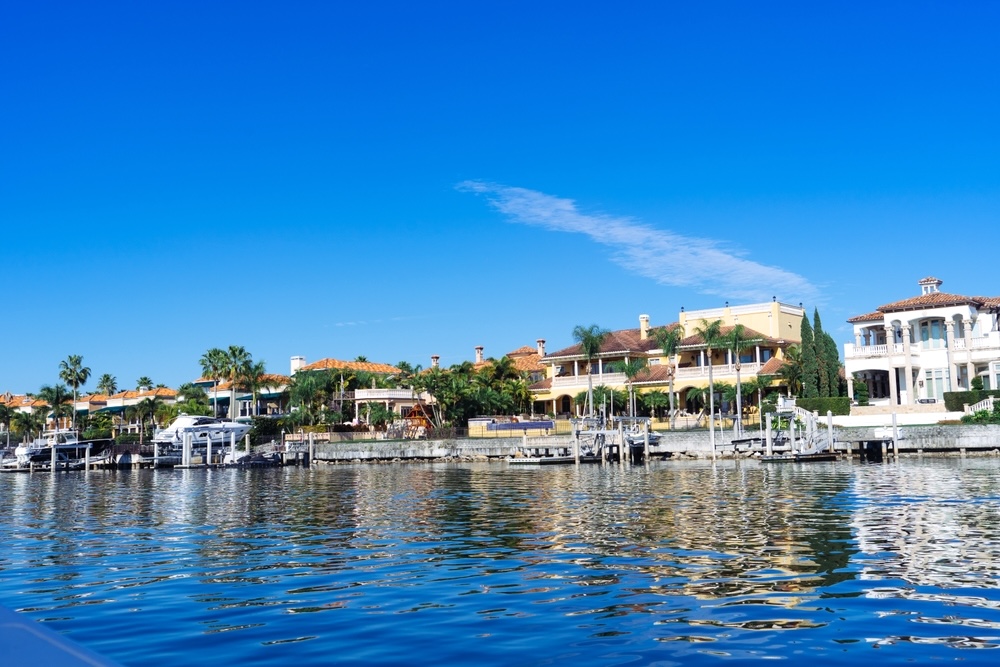
You find a home you love in Tampa Bay. The price fits. The neighborhood feels right. Then the insurance quote lands in your inbox, and suddenly the math no longer works.
This is the moment catching buyers off guard right now. With Florida’s insurance market tightening after consecutive hurricane seasons and new regulatory requirements for condos, costs have become one of the biggest hidden variables in any home purchase. According to Janice Mason, a luxury real estate advisor with Coastal Properties Group and Forbes Global Properties who has worked the Tampa Bay market for more than three decades, it’s one of the first things smart buyers ask about before committing to a listing. “Flood zones are one of the things they want to know about,” Mason says.
Here’s what you need to know before you get surprised at the closing table.
The Flood Zone Question Is Non-Negotiable
Florida’s flood insurance landscape has grown more expensive and more complicated in recent years. FEMA has updated its flood risk maps, and some properties that were previously in lower-risk zones have been reclassified into higher-risk categories. That reclassification can mean the difference between a manageable insurance bill and one that breaks your monthly budget.
If a home sits in a designated flood zone, your lender will require flood insurance, a separate policy from standard homeowner’s coverage. Depending on the property’s elevation, age, and location, flood insurance can add thousands of dollars per year to your costs.
Mason has watched this issue push buyers away from certain areas entirely. After back-to-back storms hit Pinellas County in recent years, some homeowners decided to move away from the water. But demand for waterfront living hasn’t disappeared. “People love the water, and they’re always going to come back to it,” she says.
The Condo Market Warning
For buyers considering condos, there’s an additional layer of insurance complexity. Following the 2021 collapse of the Champlain Towers in Surfside, Florida, new laws were passed requiring condo associations to maintain fully funded reserves for structural repairs. Many older buildings that had deferred maintenance for years now face large special assessments, one-time charges passed on to unit owners to cover required work.
The result: the condo market in Tampa Bay has gone noticeably flat. Buyers are cautious, and some owners are struggling to sell because prospective buyers don’t want to inherit an upcoming assessment. Before making an offer on any condo, ask the association for its reserve study and find out whether any special assessments are pending or anticipated.
What to Do Before You Make an Offer
Get an insurance quote first, not after. Most buyers wait until they’re under contract to shop for insurance. By then, you’re emotionally invested and on a deadline. Get a quote early so you know the real monthly cost. A home priced at $400,000 can feel very different once you factor in a $6,000 annual insurance premium.
Look up the flood zone before the showing. The FEMA Flood Map Service Center at msc.fema.gov lets you enter any address and see its current flood zone designation. If the home is in a high-risk zone, factor in the cost of a separate flood policy before deciding what you can afford.
Ask specifically about what’s excluded. Standard homeowner’s policies in Florida have become more restrictive. Some carriers have added new exclusions or raised deductibles for wind and hurricane damage. Ask your insurance agent to walk you through exactly what is and isn’t covered, not just the premium.
Check the roof age. Insurance companies in Florida are increasingly reluctant to write new policies for homes with older roofs, and some won’t cover roofs over 15 to 20 years old at all. If the home you’re buying has an aging roof, find out whether you can get coverage and what it will cost, or negotiate with the seller to replace it before closing.
The Catch Most Buyers Miss
Some flood insurance policies have a 30-day waiting period before coverage takes effect. If you’re closing during hurricane season, which runs June through November, you could find yourself in a gap where you own the home but aren’t yet covered for flood damage. Plan ahead and initiate the policy well before your closing date.
Also worth knowing: if you’re buying in a community with a homeowners association, the HOA’s master policy may cover the building’s exterior but leave everything inside your unit unprotected. Read the policy documents carefully and make sure your personal coverage fills the gaps.
The Bottom Line
Insurance costs in Tampa Bay are unlikely to decrease anytime soon. New FEMA mapping, stricter condo reserve laws, and continued hurricane exposure all point toward higher premiums and fewer coverage options in the years ahead. Buyers who treat insurance as a core budget item, not an afterthought, are the ones positioned to close without surprises. Get your quotes early, check your flood zone before you tour, ask hard questions about condo reserves, and never assume the coverage you need will be easy to find.
About the Expert: Janice Mason is a luxury real estate advisor with Coastal Properties Group and Forbes Global Properties in Tampa Bay, Florida, where she has worked the market for more than three decades.
This article is intended for informational purposes only and does not constitute legal, financial, or investment advice. The views and opinions expressed herein reflect those of the individuals quoted and do not represent an endorsement of any company, product, or service mentioned. Readers should conduct their own due diligence and consult qualified professionals before making any investment decisions.
Similar Articles
Explore similar articles from Our Team of Experts.