Robert Marucci, Owner of Better Living Realty LLC, has witnessed a dramatic shift in how Connecticut cities approach vacant commercial buildings. “Ever since COVID, it’s changed ...

Why Hudson Valley, New York Housing Has Slowed and What to Do About It

Written by:
Date:
30 May 2026
Share via Facebook

Share via Linkedin

Share via X

Copy to clipboard

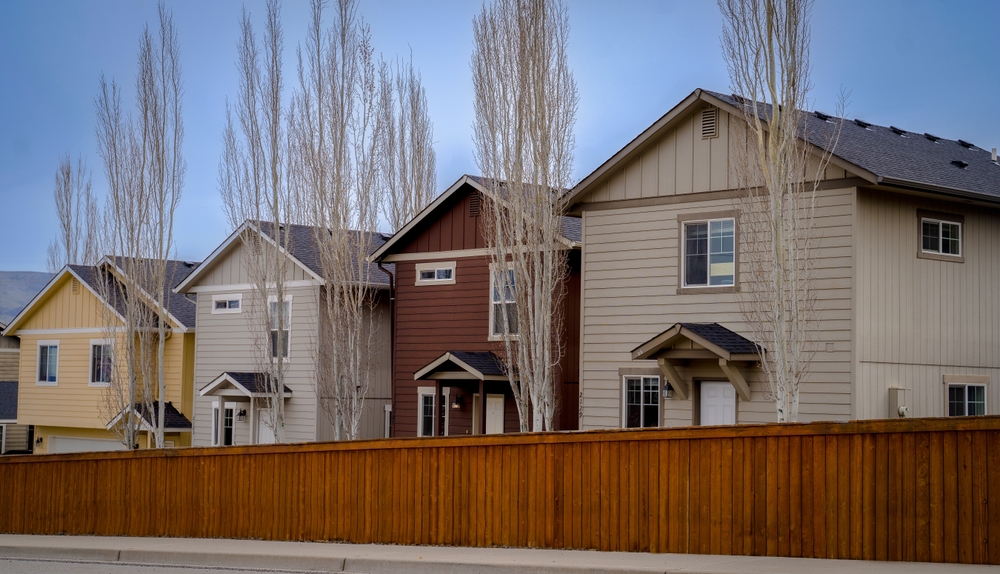
After years of frenzied bidding wars and waived inspections, the Hudson Valley housing market has slowed to a more measured pace. Mortgage rates near 7%, rising household costs, and a growing supply of listings have shifted leverage toward buyers, particularly at higher price points. For anyone looking to buy, sell, or invest in the region right now, the rules of engagement have changed.
Peter Quartironi, a real estate salesperson with RE/MAX Town & Country in Dutchess County, New York, has watched this market through multiple cycles. With a background in construction and 35 years in facilities management, Quartironi sees the Hudson Valley from an angle most agents do not.
Market Conditions Have Changed
Buyers who once rushed to bid on the first decent home they toured are now taking their time. Sellers who expected quick offers are sitting with listings longer, especially above $700,000.
“The higher end is slowing down in this market,” Quartironi says. Some sellers are holding firm on prices that appraisers will not support, and that mismatch is creating friction. Quartironi recently watched a deal fall apart because a seller priced a condo $25,000 above its appraised value and refused to budge.
The mid-range market, including three-bedroom ranches and splits in the $450,000–$550,000 range, is still moving, but more slowly than a year or two ago.
Causes of the Slowdown
Two forces are pulling demand from the market: mortgage rates and rising fuel costs.
Rates hovering around 7% have rattled younger buyers who entered adulthood hearing about 3% mortgages. Quartironi, who bought his first home at 6% in 1992 and remembers rates as high as 17%, sees this hesitation clearly. “Buyers now expect to pay down to 3%, and it’s at 7. There’s uncertainty,” he says. Many are waiting for rates to drop before committing.
Rising fuel costs are compounding the problem by squeezing household budgets across the board. Gas prices push up the cost of food, heating, and transportation, leaving less room for a mortgage payment. “The price of gas is killing the market right now,” Quartironi says.
Pace by Price Range
Well-located homes, those close to train lines, in strong school districts, and near shopping, are still selling quickly. Quartironi described a recent listing at $380,000 that drew a bid at 3 a.m. and ultimately sold for $420,000. In certain pockets of the lower and mid-Hudson Valley, open houses still draw 30 people in line.
But those are the exceptions. For most listings, buyers are taking more time between showings and offers. Sellers who overprice are watching their listings age, and once a home sits on the market too long, buyers start wondering what is wrong with it.
Strategies for Buyers and Sellers
Buyers are in a stronger position than they have been in years, especially on higher-priced homes. There is room to negotiate seller concessions, including closing cost credits, repair allowances, or rate buydown assistance. Buyers can tour multiple homes before committing and should not skip inspections. In a cooling market, knowing exactly what you are buying matters more than ever.
For sellers, the key is pricing honestly from day one. Agents should show sellers what comparable homes are actually selling for. If the number is too high, the market will make that clear, but by then, momentum is already lost. Homes that are move-in ready and priced accurately are still selling. Homes that need work but are priced as move-in ready will sit on the market.
For small investors, the rental side of the Hudson Valley remains solid. Many residents want to try the area before buying. Others cannot afford a down payment, even when their current rent would cover a mortgage. That gap creates consistent rental demand.
The Hudson Valley market is not collapsing. It is returning to a pace where decisions take longer and pricing discipline matters again. Buyers have more leverage than they have had since before the pandemic, and sellers who acknowledge that reality are still closing deals. The fundamentals that draw people to the region, including proximity to New York City, strong schools, four seasons, and a range of housing stock, remain intact. What is different is that buyers can now afford to be selective, and they are.
About the Expert: Peter Quartironi is a salesperson with RE/MAX Town & Country, operating out of Hopewell Junction, New York, in Dutchess County. He brings 35 years of experience in school facilities management and residential construction to his real estate practice.
This article is intended for informational purposes only and does not constitute legal, financial, or investment advice. The views and opinions expressed herein reflect those of the individuals quoted and do not represent an endorsement of any company, product, or service mentioned. Readers should conduct their own due diligence and consult qualified professionals before making any investment decisions.
Similar Articles
Explore similar articles from Our Team of Experts.