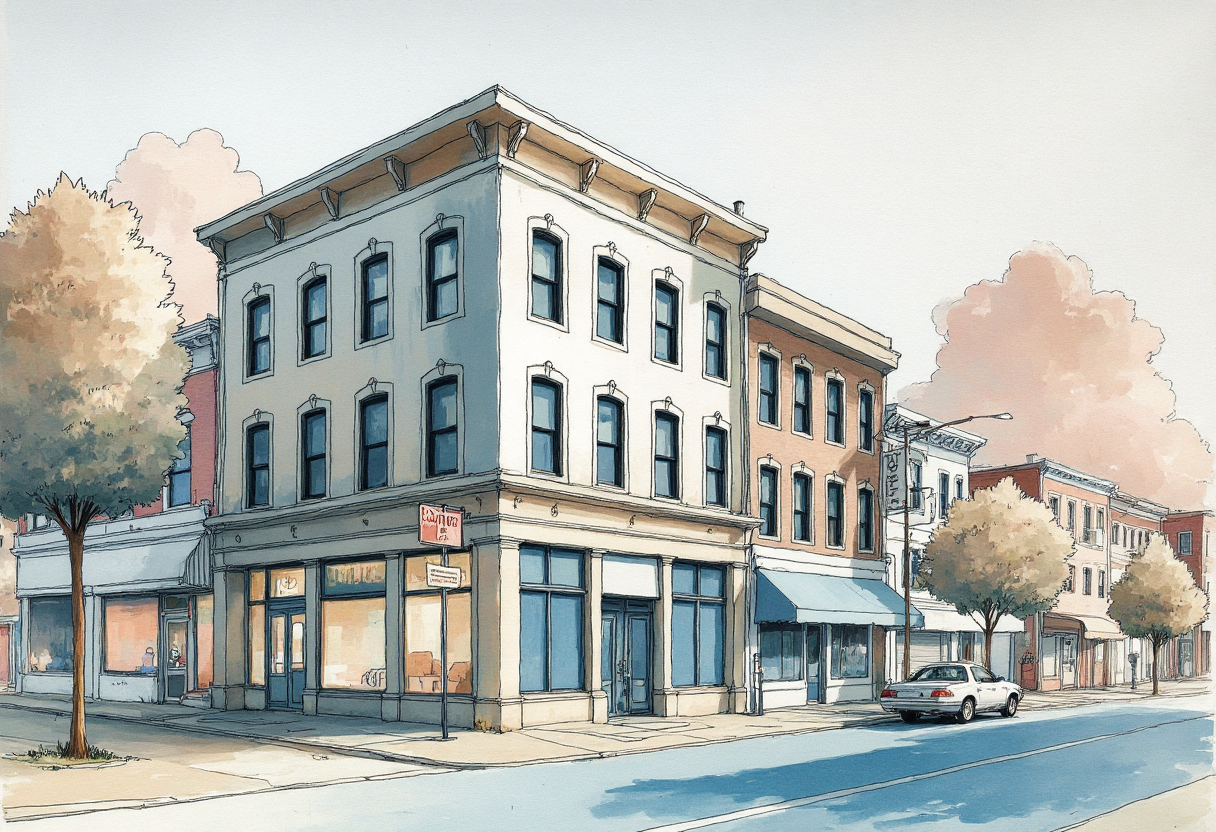
Robert Marucci, Owner of Better Living Realty LLC, has witnessed a dramatic shift in how Connecticut cities approach vacant commercial buildings. “Ever since COVID, it’s changed the game, and people don’t really need office space like they used to. Now these buildings are vacant, and landlords are having a tough time renting them,” Marucci observes.
Regulatory Evolution Drives Opportunity
According to Marucci, what’s notable isn’t just the availability of vacant commercial space – it’s how dramatically cities have streamlined the conversion process compared to previous years. “Ten years ago that would have been a lot tougher,” he says, describing his own recent experience converting a commercial property. “Now the building department, fire department, they have obviously their rules and parameters that you have to meet. But it wasn’t anything crazy.”
The broker points to a growing recognition among city officials that vacant buildings harm local economies. This has led to increased flexibility in permitting commercial-to-residential conversions, particularly for challenging properties like second-floor commercial spaces that historically struggled to find tenants.
Financial Markets Adapt
Marucci notes a crucial shift in how lenders view these projects. “Even mortgage companies have kind of jumped on board with this,’ he explains. ‘Before, probably four or five years ago, you couldn’t get a regular mortgage for a mixed use. You had to be commercial. But now mortgage companies are changing and you can get a regular residential mortgage for mixed use.”
This financing evolution makes mixed-use conversions more accessible to a broader range of investors, Marucci argues. “It’s easier to get approved, less money down. So people are starting to notice that mixed use can be a good investment.”
Investment Economics
The investment case for mixed-use conversions appears compelling, according to Marucci. “The residential will actually cover kind of your mortgage, taxes, insurance, any expenses. And then once you get that commercial spot rented, it’s a really good ROI,” he says.
Marucci sees the trend extending across various property types. “I’m seeing malls starting to be converted, old factories, just anything that has been sitting for a while,” he notes. The broker points to multiple drivers: changing work patterns reducing office demand, cities eager to address vacant property issues, and strong residential rental demand.
Looking Forward
While Marucci sees continued opportunity in mixed-use conversions, he emphasizes the importance of thorough due diligence regarding local regulations and market dynamics. His firm, Better Living Realty LLC, has helped guide investors through numerous conversion projects across Connecticut, providing insight into which properties and locations offer the strongest potential returns.