If you’re following the Washington, D.C. real estate market, conflicting headlines can be confusing. Some reports warn of a slowdown, while others highlight record-breaking sales. Both are accurate — but only for certain segments. The reality is a sharply divided market, where the type of home and price point determine whether a property sells quickly or lingers on the market.
A visit to a Sunday open house in neighborhoods like Logan Circle or Kalorama reveals the change. Gone are the days of buyers lining up outside and homes selling in under a week. Now, most listings take closer to three weeks to go under contract. But this cooling trend doesn’t apply to the upper end. Homes priced at $2 million and above are still moving quickly, often attracting all-cash buyers who are unaffected by rising mortgage rates.
“The upper-end market is doing really, really well,” says Daryl Judy, a luxury agent with Washington Fine Properties who closed over $77 million in sales last year. “Fee simple homes — independent, detached homes — are doing very, very well.”
A Divided Market: Who’s Buying and Who’s Waiting
This split reflects what economists call a K-shaped recovery, where economic gains and setbacks are unevenly distributed. In the DC area, affluent buyers dominate the top tier. Many pay cash or use private banking relationships to secure in-house loans with favorable terms. Some treat DC as a second home, living elsewhere part-time but maintaining a residence in the city for work or convenience.
Judy notes that many of these buyers are not concerned about job security or interest rates. Instead, they focus on space, quality, and access to DC’s stable job market and amenities. High-end homes in established neighborhoods remain in demand, with limited inventory ensuring that well-priced properties sell quickly.
The lower segment tells a different story. First-time buyers and those relying on traditional financing face higher monthly payments due to interest rate hikes. A buyer who qualified for a $500,000 home a year and a half ago may now be limited to $440,000, thanks to a $300 monthly increase in mortgage costs. This squeeze is causing some buyers to pause their searches or lower their price targets.
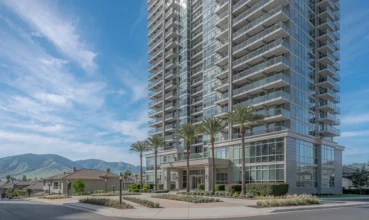
Condos are feeling the impact as well. While not collapsing in value, they are taking longer to sell than single-family homes. The main issue is appreciation: condos in DC typically do not gain value as quickly as houses. With more condo units on the market — including conversions of former office buildings — buyers have a wider selection and less urgency to commit.
Why DC’s Market Remains Stable
Despite federal layoffs, uncertainty surrounding government agencies, and stock market volatility, the DC metro area has avoided the steep downturns seen in some other cities. The main reason is persistent supply constraints.
DC’s strict height restrictions and historic preservation laws limit new construction. Unlike cities where large-scale developments can add hundreds of new homes, DC’s housing stock grows slowly, mostly through renovation or teardown-rebuilds. This keeps inventory tight, especially for single-family homes in desirable neighborhoods.
“There aren’t enough homes here for the number of people that need them,” Judy explains. “That’s really kind of protected us.”
The region’s strong job market also helps. DC is home to major employers such as Amazon, Microsoft, biotech firms, law offices, and lobbying groups, which attract highly paid professionals. Even when federal jobs are lost, many workers transition to private-sector roles, keeping housing demand relatively stable.
Generational wealth is adding another layer of support at the upper end. More parents and grandparents are helping younger family members buy homes in good school districts, often providing down payments or co-signing loans. This direct financial assistance helps insulate high-end buyers from broader economic shocks.
Advice for Today’s Buyers and Sellers
For buyers seeking homes under $500,000, competition has eased since the 2021 frenzy. There’s more time to tour properties and make decisions. However, higher interest rates mean affordability is a challenge. Buyers stretching their budgets should consider asking sellers for closing-cost credits or help with mortgage-rate buydowns, as sellers are more open to negotiation.
At the higher end, conditions remain competitive. Buyers need to act quickly on well-priced, detached single-family homes in sought-after neighborhoods. Inventory is limited, and cash offers continue to carry significant weight.
Sellers must approach the market with realistic expectations. Homes that are not move-in ready or are overpriced from the start are likely to sit unsold. Buyers today have more options and are less willing to compromise. Offering repair credits, staging the home, and pricing competitively from day one can make a difference. Waiting for a bidding war is no longer a reliable strategy.
What’s Next for DC Real Estate
The current landscape in the DC metro area is defined by a clear divide: high-end homes are thriving, while starter homes and condos face more challenges. This split is likely to persist as long as interest rates remain high and inventory stays limited. For buyers and sellers alike, success depends on understanding which market segment applies to them and adapting their strategy accordingly.
“People still need houses,” Judy says. “They still need a place to wake up in the morning.”
This article is based on information provided by the expert source cited above. It is intended for general informational purposes only and does not constitute legal, financial, or real estate advice. Readers should conduct their own research and consult qualified professionals before making any real estate or financial decisions.