
Why Waiting for Lower Rates in Missoula, Montana, Could Cost Buyers More Than It Saves


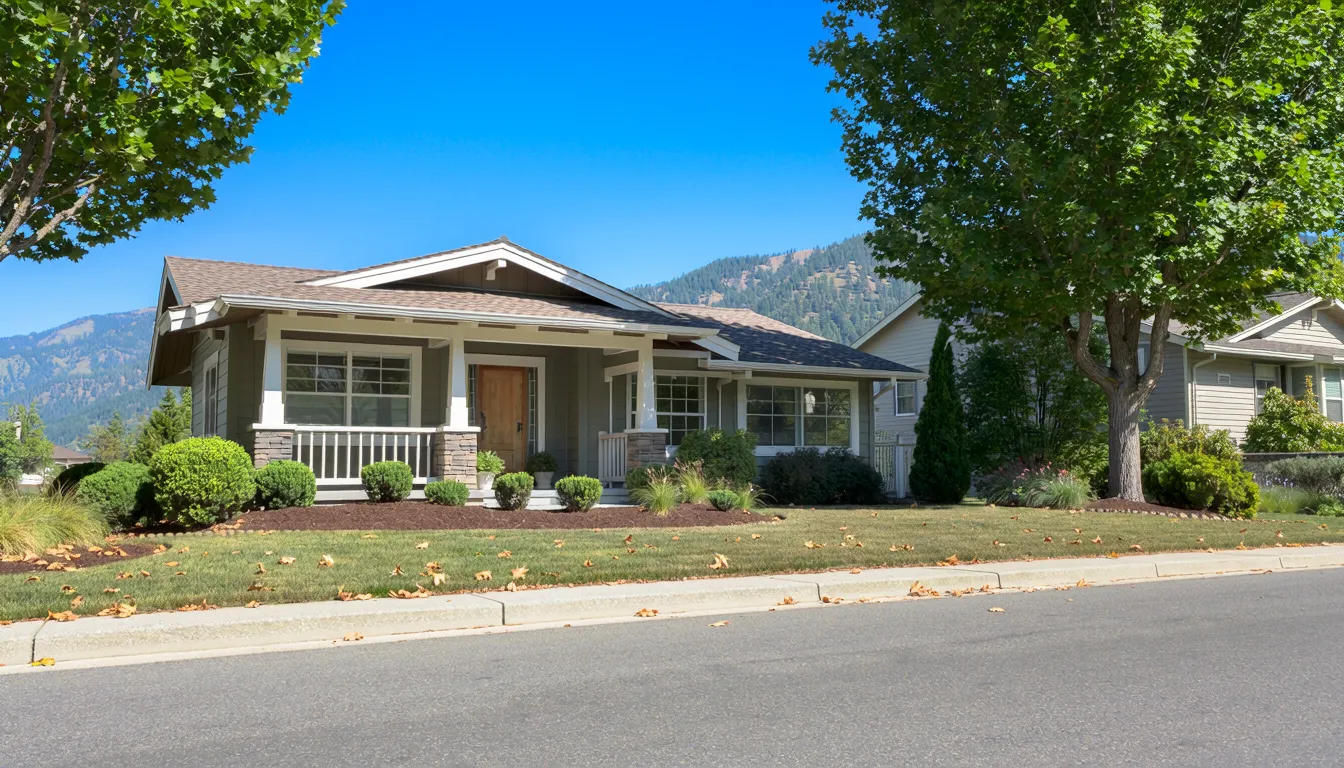
Many sidelined home buyers share the same strategy: wait for interest rates to fall, then buy. That plan assumes the market will hold still while they wait. In Missoula, Montana, Zach Gratton and Chris Funston of GFG Real Estate argue that assumption is wrong. Buyers waiting for lower monthly payments may face higher prices and far more competition than they would today.
Gratton and Funston say this is now the most common conversation they have with prospective buyers. The reasoning is always the same: rates are too high, so I will wait. They do not argue that everyone should buy today. Their point is that waiting has costs most buyers are not calculating.
Sidelined Buyers Will Return
Gratton says many would-be buyers are waiting on the sidelines. Some have waited for years, convinced prices were too high even before rates climbed. Prices have only risen since. Neither Gratton nor Funston will predict when rates will drop. When they do, Gratton expects these buyers to return to the market all at once.
Gratton says the result would look like a smaller version of the pandemic-era buying frenzy. “You’re going to be competing again,” he says. Bidding wars could return quickly. Buyers may again waive protections such as inspections and use escalation clauses, which automatically raise an offer to beat competing bids.
Buyers Have Leverage Now
Funston says buyers focused on rates often miss one point: they have more leverage now than they have had in years. According to Funston, sellers are more willing to negotiate on price. Many now offer credits after inspection for items such as flooring and painting. Those concessions were rare during the pandemic. “We have a lot more wiggle room on price,” Funston says.
That leverage exists because high rates have reduced competition. Once rates drop, it is likely to disappear. Buyers who wait may get a lower monthly payment. They may also pay a higher price and face more competition, and that tradeoff may not work in their favor.
Buy Now, Refinance Later
Gratton offers hesitant buyers a simple option: buy now at a higher rate, then refinance when rates decline. Buyers lock in today’s purchase price and start building equity right away. If rates fall, refinancing can lower the monthly payment without the need to buy a different home. Gratton says many buyers overlook this option. They focus on the rate at purchase rather than the total cost of owning the home over time.
The approach has a downside. No one knows when rates will fall, so buyers could carry higher monthly payments for years. Funston is direct about the uncertainty: “If I had that crystal ball, I’d be a millionaire.” Both agents say buyers already stretching to afford a home may not be able to manage that. Buyers who cannot afford the payment at today’s rates should not buy now, they say, regardless of where the market is headed.
Why 10 Years Matters
For buyers who can afford today’s payment, Funston offers a simpler test. He points to data showing that homeowners who keep a property for a decade usually come out ahead. In his view, anyone who can stay in a home that long is unlikely to take a loss on it.
Missoula’s geography strengthens that pattern. The city sits on a valley floor surrounded by mountains, with limited land for building. New housing cannot flood the market as it can in cities that spread outward. According to Funston, Missoula home values fell about 18% during the 2008 downturn, compared with roughly 25% nationally. They also recovered faster than in most of the country.
Missoula’s Market Today
Gratton says correctly priced homes under $600,000, where most first-time buyers compete, already sell quickly at current rates. He credits strong demand from millennial buyers. Homes above that price stay on the market longer, giving buyers more room to negotiate.
For buyers who can manage the monthly payment, today’s market offers room to negotiate, time to be selective, and less competition. In Gratton and Funston’s view, those conditions will not last once rates fall. Buyer leverage will shrink as competition returns.
About the Expert: Zach Gratton and Chris Funston are real estate agents and partners at GFG Real Estate, covering Missoula, Montana.
This article is intended for informational purposes only and does not constitute legal, financial, or investment advice. The views and opinions expressed herein reflect those of the individuals quoted and do not represent an endorsement of any company, product, or service mentioned. Readers should conduct their own due diligence and consult qualified professionals before making any investment decisions.
Similar Articles
Explore similar articles from Our Team of Experts.


So you’re moving to a new city, and the research has already begun. You can learn a metro’s prices, tax rates, and school ratings from a thousand miles away. What the research can’t show you is which neighborhood fits the life you’ll actually lead there. Helping you close that gap is now central to a ...

The Department of Veterans Affairs has narrowed the list of property conditions that can hold up a VA-backed purchase. Under an update to the VA’s Lender’s Handbook, appraisals ordered from May 1, 2026, no longer require repairs for peeling paint on homes built in 1978 or later, or for defects in detached sheds and garages. ...
When 60 to 70 percent of buyers in a market are spending accumulated real estate wealth rather than current earnings, the market operates by different rules than national economic indicators suggest. In Santa Barbara, that disconnect between price levels and income-based affordability is not a temporary distortion – it is the market’s defining feature, according ...
In most of Bucks County, Pennsylvania, the housing market runs on familiar suburban logic: limited inventory, competitive bidding, and first-time buyers stretching to qualify. In Pipersville, at the county’s northern edge, the math works differently. Farms outnumber listings, acreage is measured in dozens rather than fractions, and the buyers who show up are coming from ...
Prospective homebuyers waiting for mortgage rates to fall may be waiting for conditions that only a major global crisis would create. Current 30-year fixed mortgage rates of about 7.25% are not an anomaly, according to Jason Huerkamp of Huerkamp Home Group in the Twin Cities. That figure matches the historic 50-year average. The low rates ...