With little attractive inventory left on the acquisition market, a Sioux Falls workforce housing developer makes the case that ground-up construction offers investors better assets, better operating numbers, and more control.
The Acquisition Market Has Been Picked Over
Buying existing apartment buildings has long been the default path for multifamily investors. It offers immediate cash flow, operating history, and a simple story. Dusten Hendrickson, founder of Mailbox Money Real Estate, a ground-up workforce housing developer focused on secondary and tertiary Midwest markets, says that path has become much harder to make work.
“All the deals that were in the marketplace have gotten purchased, and they’ve got the value-add plan done,” he says. Competition for the remaining inventory is intense. Buyers working against a 1031 exchange deadline are often willing to pay more to avoid a tax hit, which pushes prices up for everyone else.
Hendrickson estimates that an acquisition bought at market value today produces about 5% a year over the first five years, including improvements. He puts his firm’s development projects at closer to 20% a year over the same period. “It’s a much, much better value proposition,” he says. He notes that an off-market acquisition bought at a real discount can change that math.
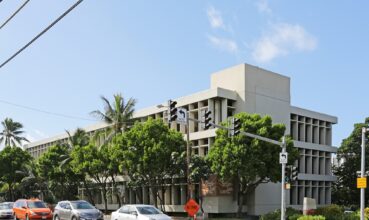
What Buyers Inherit With an Older Asset
Part of the case for building is what an acquisition buyer cannot see. “We don’t know what’s underground. We don’t know what’s in the pipes,” Hendrickson says of existing properties. Inspections help, but buyers often discover problems after closing, when they have little leverage left.
He adds that sellers rarely part with their best properties. In his experience, owners usually sell their weaker assets in weaker locations and keep the best ones.
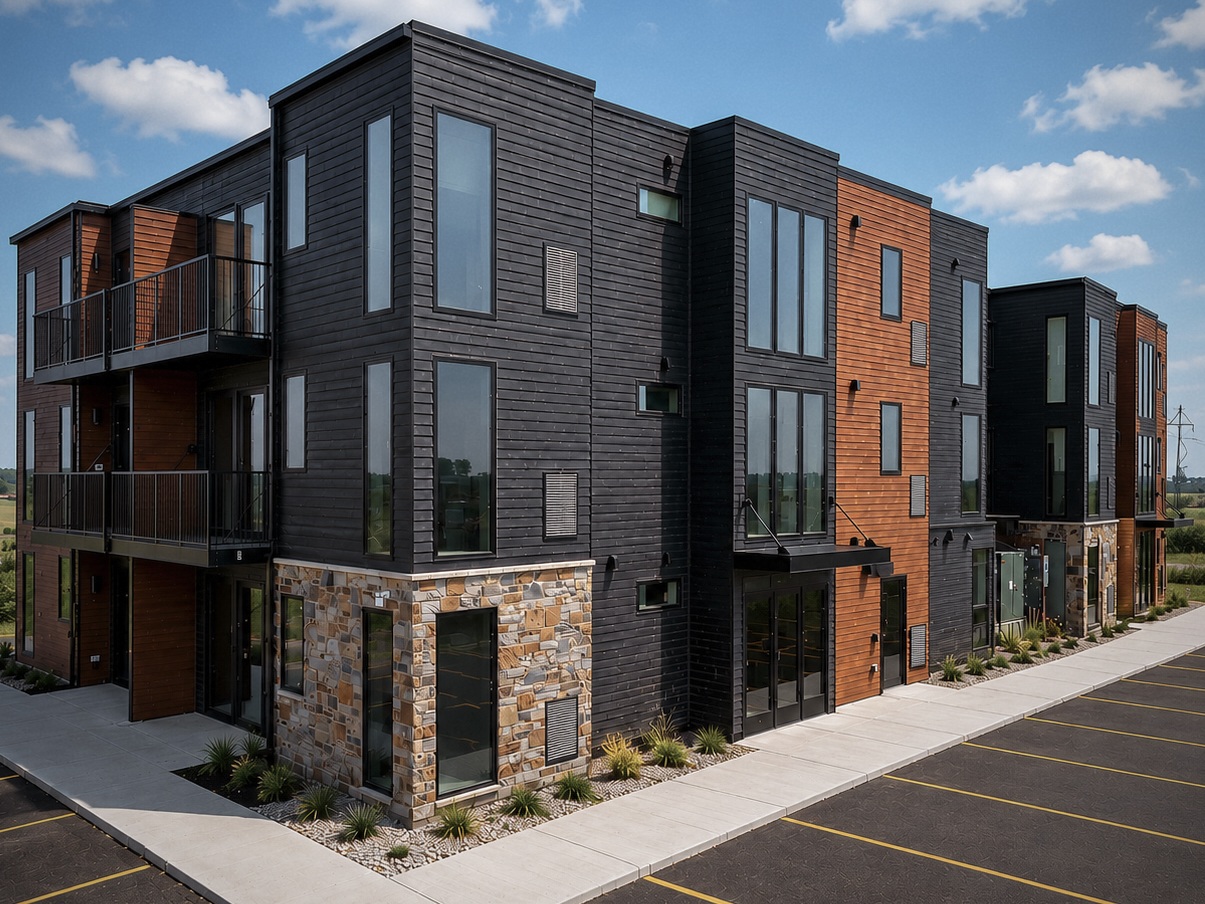
Then there is design. “Older units are not designed for the way people live anymore,” he says. His firm’s units are built around what today’s renters want: open kitchens with large islands, floor-to-ceiling windows, in-unit laundry, and sound attenuation between units. Each new project folds in tenant feedback from the last one.
The Operating Advantage of New Construction
Hendrickson says the difference shows up in the numbers. His firm’s properties run at a 25–35% operating expense ratio, compared with the 40–50% typical of older apartment buildings. He says new assets also command higher rents and higher occupancy, and are easier to lease and maintain.
Location matters as much as the building. Developers choose their sites, so his firm builds in growth corridors with new infrastructure, retail, and employment. In Sioux Falls, that has meant the city’s expanding east and south sides. “Everyone wants to live in brand new units with brand new streets and brand new restaurants,” he says.
He also sees new supply competing mainly against older stock. When an area adds new units, renters tend to move out of older buildings first. “The saturation actually hurts the older units more than the newer units,” he says.
The One-Year Trade-Off
The main cost of building is time. An acquisition produces income on day one, while a development has to be built first. Hendrickson considers that a fair exchange. “If you buy an existing asset, you get capital right away. We only have to wait a year to get our capital, so we would trade that year of capital for a brand new asset,” he says.
Managing the Risks That Come With Building
Hendrickson is direct about where development risk sits. “On budget and on time are the two biggest risks with new development,” he says. A general contractor who runs six months late or over budget can erase a project’s projected returns.
His firm manages that risk through repetition. It builds the same proven building design with the same general contractor and subcontractor team on every project. It also uses five-year construction loans rather than three-year notes, which gives each project extra runway to stabilize before refinancing. Over the past five years, that approach has produced roughly 15 developments and brought projects in ahead of schedule.
For investors weighing the two paths, Hendrickson’s view is that the barrier to entry is the advantage. Far fewer buyers compete for raw land than for existing apartments, and land is a small share of total project cost. A developer who has cleared that barrier and repeated the process successfully, he says, is offering a fundamentally different and lower-risk asset than a stabilized building bought at full price.
Dusten Hendrickson is the founder of Mailbox Money Real Estate, a vertically integrated developer of ground-up workforce housing in secondary and tertiary Midwest markets, with a concentration in Sioux Falls, South Dakota, and surrounding communities. With 25 years of real estate experience, Hendrickson and his team have delivered roughly 1,300 units, including Crooks Reserve in Crooks, South Dakota, and Fosfield in Sioux Falls.
This article is based on information provided by the expert source cited above. It is intended for general informational purposes only and does not constitute legal, financial, or real estate advice. Readers should conduct their own research and consult qualified professionals before making any real estate or financial decisions.