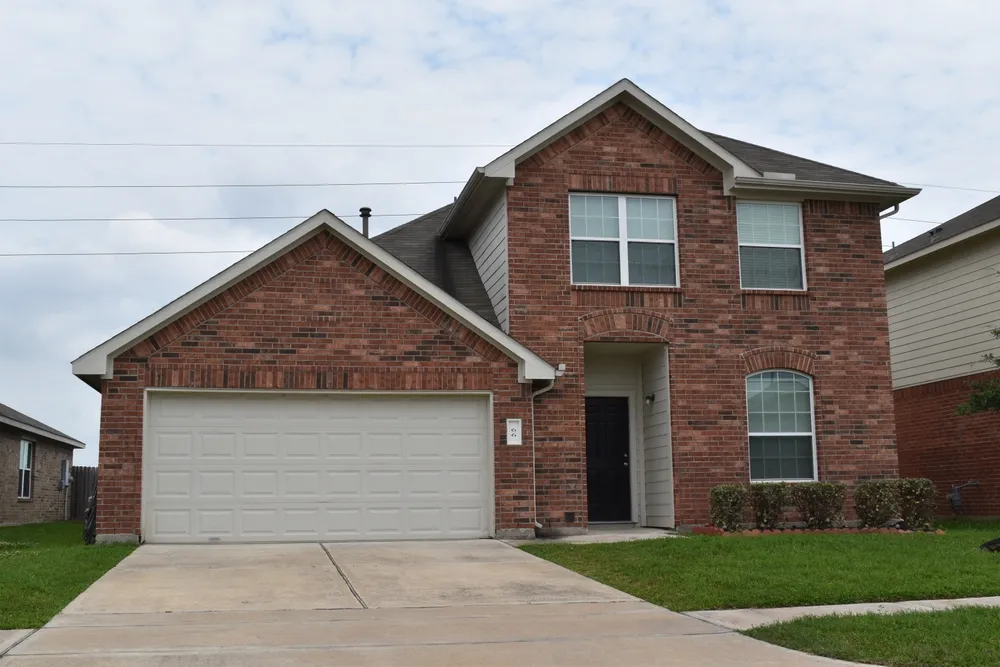
The homes moving quickest in Houston right now are not the ones buyers pin to their vision boards. They are modest starter properties: three bedrooms, two bathrooms, located in the suburbs. Larger, more expensive homes are sitting longer. For first-time buyers holding out for the house they actually want to live in long term, that pattern contains an uncomfortable suggestion: the market is rewarding buyers who are willing to settle, at least at first.
That is the argument Gisselle Maldonado, a Houston-based real estate agent at G-Sell Realty Group, who leads a team serving first-time buyers and investors across the greater Houston market, makes to the clients she works with as of fall 2026. She tells them directly that their first purchase is not supposed to be their forever home. It is supposed to be the one that gets them into the ownership cycle so they can build toward the home they actually want.
The Stepping-stone Logic
Maldonado’s framing is specific. She described the first home as a project, not a destination: “Your first home is usually your project home.” The second home, she tells clients, is where they will likely stay long-term.
A buyer who purchases a modest home now starts building equity immediately. A couple of years later, according to Maldonado, those buyers call her back ready to purchase the home they actually want. The alternative, waiting and renting until they can afford their ideal house, means those years of equity building never happen.
Affordability in Texas remains stronger than in many other states, Maldonado said, which means the stepping-stone strategy does not require the same financial stretch it might in costlier markets. Starter homes in the Houston suburbs give first-time buyers a relatively low entry point compared to properties closer to downtown, where prices climb steeply.
Where the Strategy Meets Resistance
There is real tension in asking someone to spend on a home they do not love. Maldonado acknowledged the resistance directly: “I’d rather have you pay a mortgage even though it’s not the house you want to live in.” She framed the alternative, continuing to rent, as the worse financial outcome.
That framing gains force in context. Maldonado described a recent transaction in which a family called her to lease a property. She asked why they were not buying instead. They did not know they could. They had strong credit scores, clean financial records, and were already prepared to hand over roughly $8,000 in deposits and first month’s rent just to move into a rental. Instead, Maldonado connected them with a Spanish-speaking lender, walked them through their loan options, and helped them purchase a home for less upfront cost than the lease would have required.
That example illustrates a broader pattern Maldonado sees in Houston’s Hispanic community, which makes up a significant share of her client base. Many potential buyers do not realize they qualify for a mortgage. The barrier is not financial; it is informational. Maldonado described her role as part agent, part educator: teaching clients about loan types, homestead exemptions, tax obligations, and the mechanics of ownership from day one.
What is Actually Moving in Houston
The split Maldonado described is worth paying attention to. Starter homes are selling quickly. Larger, more expensive properties are sitting longer. That gap tells you where demand is concentrated, and it suggests many Houston buyers are already behaving the way Maldonado advises, treating modest homes as entry points rather than holding out for something bigger.
For first-time buyers, the practical implication is that the segment of the market where they would be shopping is competitive. Waiting does not mean waiting for prices to drop on starter homes; it means watching other buyers claim them.
Maldonado said deals in Houston rarely fall apart, but when they do, the cause is almost always financial – a buyer loses a job or fails to qualify. In some cases, the fix is straightforward: the buyer gets a new job, waits two weeks, and closes on the same house or a different one. In other cases, the timeline stretches to a year, during which Maldonado follows up until the buyer is ready to purchase or lease.
She also noted that Houston’s market pace has slowed compared to the frenzy during and after COVID, when rates dropped, and buyers flooded in from other states. In her view, the current pace represents a return to normal conditions rather than a downturn.
A First Purchase That is Not the Last One
The idea of buying a home you do not love in order to eventually buy one you do is not new. But in Houston’s current market, the speed gap between starter homes and larger properties makes the case more concrete. Maldonado put it plainly: “It might not be the perfect house, but you can get to the perfect house after that one.” In a market where the entry-level segment is the most active, the buyers who act on that logic are the ones building equity while others wait.
About the Expert: Gisselle Maldonado is a Houston, Texas real estate agent who leads a six-person team.
This article is intended for informational purposes only and does not constitute legal, financial, or investment advice. The views and opinions expressed herein reflect those of the individuals quoted and do not represent an endorsement of any company, product, or service mentioned. Readers should conduct their own due diligence and consult qualified professionals before making any investment decisions.