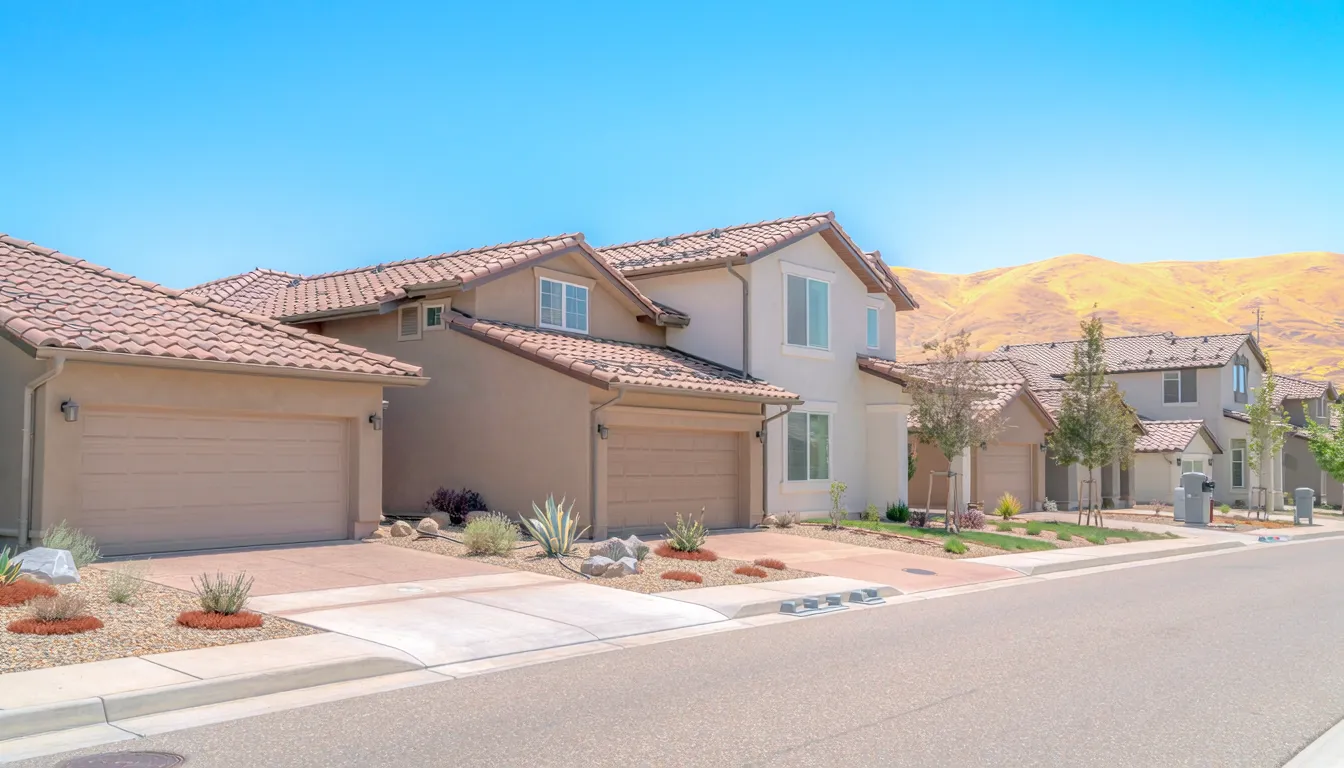
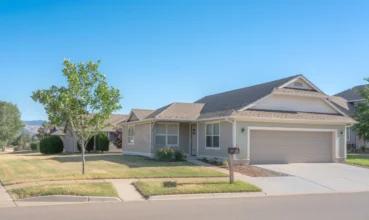
Tracy, California, has built its housing market on a simple bargain: drive an hour to a Bay Area job, get twice the house for half the price. But that bargain is under pressure. Interest rates have climbed, the broader economy has softened, and the rising cost of gasoline and diesel has made long commutes harder to justify. Together, these forces are dragging out sales timelines and pushing prices lower across the Central Valley.
Emad Basma, a 22-year real estate veteran who runs a family brokerage called Agent4Life in Tracy, has watched this play out across his client base. Tracy sits at the intersection of Interstate 580, Highway 205, and Interstate 5 – a geographic position that puts San Francisco, San Jose, and Sacramento each roughly an hour away. That location has attracted waves of Bay Area workers seeking affordable housing. But Basma says the economics of commuting are straining: “With the cost of gasoline and diesel, it’s making it more difficult for people to commute.”
The Commuter Equation Has Changed
Tracy’s population has grown about 9 percent since 2020 and now exceeds 100,000. The engine behind that growth has been straightforward. A family renting a one-bedroom apartment in San Jose for nearly $3,800 a month could move to Tracy and rent a 3,000-square-foot house for about $3,000. Buying was even more attractive when mortgage rates were low.
But the commute was always the trade-off – and that trade-off gets heavier when fuel prices climb and interest rates reduce purchasing power simultaneously. Basma acknowledges a pattern he has seen repeat: “A lot of people get tired of the commute. They’ll go back to the Bay Area.” Higher fuel costs accelerate that fatigue. And every family that leaves is one fewer buyer supporting local home values.
Squeezed From Both Sides
Tracy’s housing market faces pressure from multiple directions at once. Interest rates above 6 percent have reduced purchasing power. When rates were near 3 percent, Basma says, a buyer could qualify for a million-dollar home. At 6 percent or higher, that same buyer qualifies for far less.
The result: homes are sitting on the market for about 45 days on average. Basma says he used to receive multiple offers within the first weekend of listing. That pace is gone. Sellers are taking price cuts they did not anticipate, and many homeowners who would prefer to move are staying put rather than selling at a loss.
Basma is direct about where this leads if conditions hold: “If the economy stays like this, interest rates go up, I can see home prices going down a little bit.” He sees a market that could self-correct through falling prices – cheaper homes offsetting higher borrowing costs – but that correction is painful for current homeowners who bought at higher valuations.
Buyers are also contending with new-construction competition. Basma notes that builders offer incentives – closing cost credits, rate buy-downs, free options – that resale sellers cannot match. A resale home priced the same as a comparable new build will lose the buyer unless the seller adjusts.
Who Benefits in This Environment
Investors and retirees face less exposure to commuter costs than young families tied to Bay Area jobs. Basma says the rental market remains strong, and investors are drawn by a combination of price drops – at least 10 percent from recent peaks, according to Basma – and steady rental income. Cash buyers hold a particular advantage.
First-time buyers, meanwhile, are trying to enter the market despite higher rates. Basma says many are receiving help from parents for down payments. The increased inventory and lower prices give them more options, even if borrowing power has shrunk.
The luxury segment tells a different story. Basma says his listings above $2 million and $3 million have attracted offers relatively quickly. Bay Area buyers drive much of that demand: a home listed at $3.65 million in Tracy – currently the highest-priced listing in town, according to Basma – would sell for $7 million to $8 million in the Bay Area. For buyers who can afford the price and tolerate the commute, the value gap between Tracy and the Bay Area remains wide enough to act on.
What to Watch
Tracy’s appeal has always rested on a calculation: the money saved on housing outweighs the cost of the commute. That calculation now depends on more variables than it used to – fuel prices, interest rates, and how many days a week an employer requires in-office presence. For sellers, Basma’s advice is blunt: price below current market listings, not at them, because the homes sitting unsold are the ones that set expectations too high. For buyers with cash or flexibility on commute frequency, Tracy’s 10 percent price decline and strong rental yields still present a real opportunity – one that deepens if prices continue to fall.
About the Expert: Emad Basma is a real estate professional with 22 years of experience who leads Agent4Life Realty in Tracy, California.
This article is intended for informational purposes only and does not constitute legal, financial, or investment advice. The views and opinions expressed herein reflect those of the individuals quoted and do not represent an endorsement of any company, product, or service mentioned. Readers should conduct their own due diligence and consult qualified professionals before making any investment decisions.