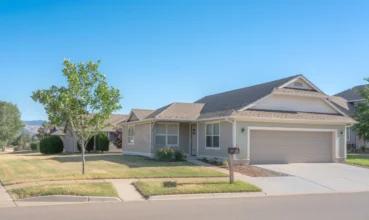
The path to a first home in the Dallas-Fort Worth suburbs has always required compromise. But the gap between what younger buyers want and what they can actually afford has stretched to a point where many are simply not buying, according to Karen Wydra, a 25-year residential agent with Ebby Halliday working the Garland and Rockwall markets east of Dallas. The delay may be costing them more than the compromises would.
Wydra calls the entry-level segment one of the most underserved parts of the local housing supply. Finding something under $300,000 in decent shape is, in her words, “a struggle.”
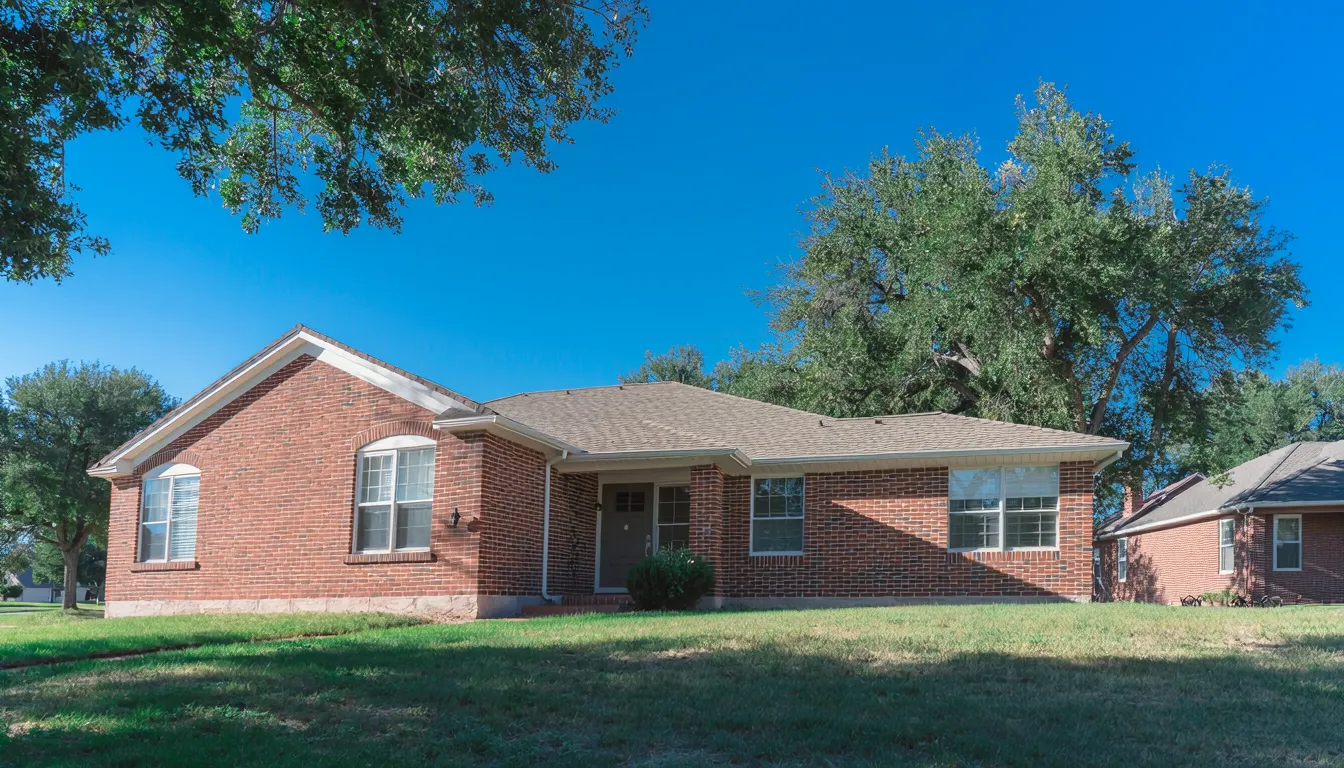
That scarcity has worsened. In Rockwall County – the smallest county in Texas – most new housing being added is new construction, which typically prices well above the entry-level threshold. Garland, a large Dallas suburb with roughly 250,000 residents, has more older inventory that could theoretically serve first-time buyers, but much of it comes with the maintenance costs of aging homes: cast-iron pipes, deferred repairs, and cosmetic work that adds up fast.
What Younger Buyers Expect Versus What Exists
The supply problem alone would be manageable if buyers in their twenties and early thirties were willing to start with a home that needs work. But Wydra sees a pattern among younger buyers who arrive with a clear mental image shaped by curated online content. “They want the pretty right away,” she says.
That means updated kitchens, modern finishes, and move-in-ready everything. A home with solid structure but dated countertops or worn flooring gets passed over, even if it sits in a convenient location at a workable price. Wydra says these buyers are “not willing to settle” – they want homes that match what they have seen on Pinterest and similar platforms.
When the pool of homes under $300,000 is already thin and a buyer eliminates anything that does not look freshly renovated, the remaining options shrink to nearly zero. The search stalls, and the buyer keeps renting.
The Cost of Waiting
Prices in the DFW area rose during the pandemic years and have not meaningfully retreated. Interest rates remain elevated compared to the lows of 2020 and 2021. Homeowners insurance in Texas has climbed due to storm exposure – hail, tornadoes, and flooding all factor into premiums. Every year a would-be buyer waits, these costs compound.
A buyer who delays two or three years hoping either prices drop or the perfect home appears may find that the target has moved further away. Wages would need to outpace the combined growth of home prices, insurance, and borrowing costs – and in much of DFW, that has not been the trend.
Wydra suspects the aesthetic bar is part of why homeownership is arriving later for this generation. “Maybe that’s the reason that they’re not buying until they’re older and a little bit more established,” she says. By the time they can afford the version of a home they envisioned, they have spent additional years paying rent and missing the equity accumulation that comes with ownership – even ownership of an imperfect first home.
Where the Tradeoffs Actually Live
Older homes in Garland can carry hidden costs that turn a bargain into a burden. Wydra cautions that buyers should watch for condition issues beneath the surface – the kind of plumbing or structural problems that are expensive to fix. A home that looks like a deal but needs major work is not actually a deal.
The middle ground is a home that is structurally sound, well-located, and livable – even if the finishes are not magazine-ready. In Garland’s older neighborhoods, some areas offer more architectural character and mature tree cover, though they lack the homeowners association amenities of newer developments near the Firewheel area in north Garland. Proximity to the George Bush Turnpike, which connects east-west across the metro, can shorten commutes and offset the tradeoff of an older home.
Inventory under $300,000 in decent condition is genuinely scarce across the DFW suburbs, and that scarcity is not something an individual buyer can fix. But Wydra’s observation points to a factor within the buyer’s control: the willingness to accept a starting point rather than a finished product. For buyers who can adjust that expectation, the options – while still limited – open up.
About the Expert: Karen Wydra is a 25-year residential agent with Ebby Halliday, based in the firm’s Rockwall, Texas office.
This article is intended for informational purposes only and does not constitute legal, financial, or investment advice. The views and opinions expressed herein reflect those of the individuals quoted and do not represent an endorsement of any company, product, or service mentioned. Readers should conduct their own due diligence and consult qualified professionals before making any investment decisions.