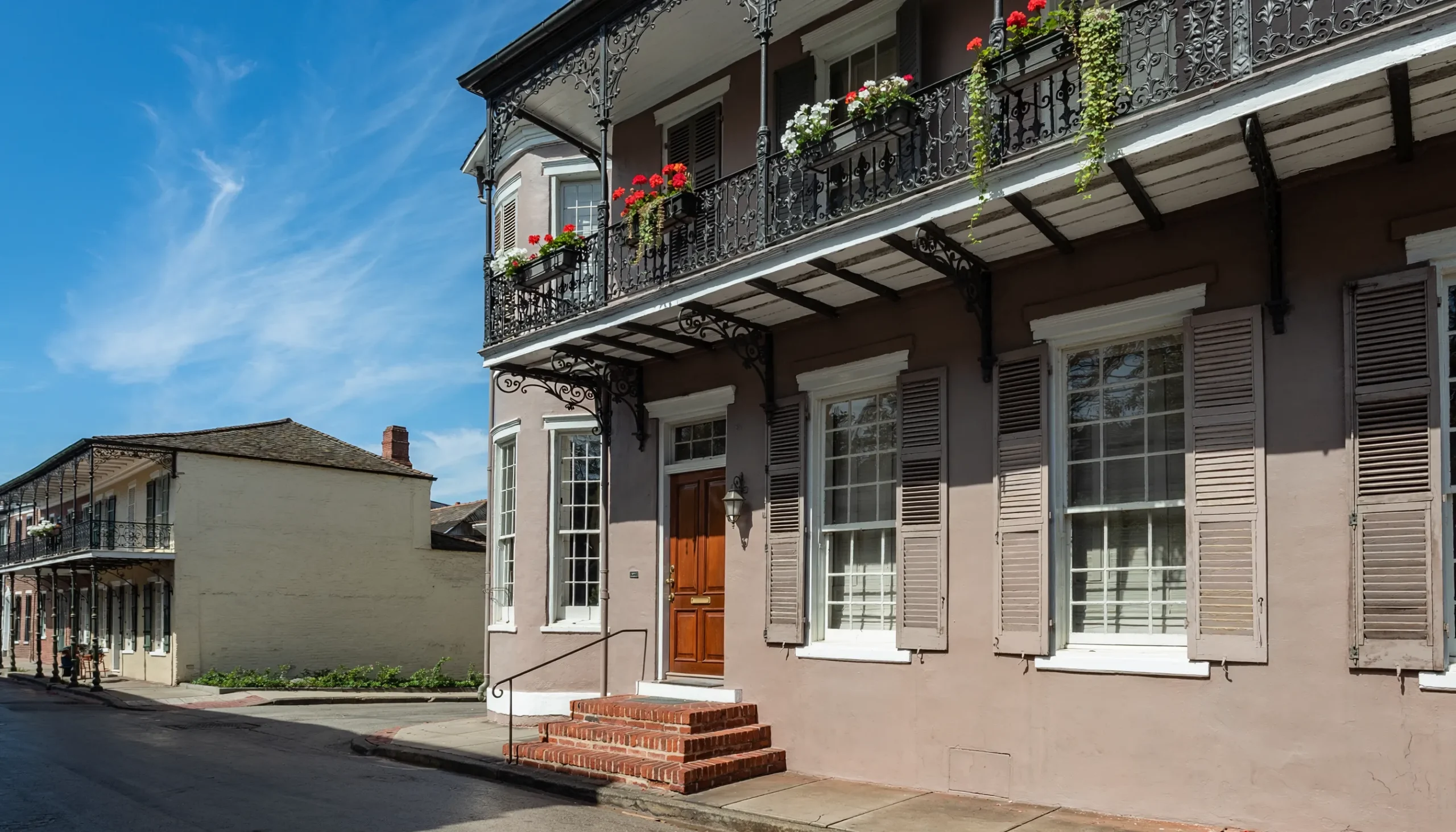
In New Orleans, insurance costs are high, and homes are old. As Richard Hébert puts it, every house has “had a termite walking through it as a resident at one point.” Many sellers respond by playing down a home’s problems.
Hébert, a luxury real estate advisor with Crescent Sotheby’s International Realty in New Orleans, says the opposite approach closes deals. He says fully disclosing a home’s flaws builds buyer trust.
Disclosure Builds Trust
Hébert describes his approach to listing historic New Orleans homes as “somewhat radical transparency.” He points out known issues early and prices the home to reflect them. The goal is to keep buyers from finding problems during inspection and losing confidence in the sale.
“These homes are old,” Hébert says. He does not treat that as a liability to hide. Instead, he uses property disclosures to show buyers that the seller understands the home’s condition and has priced it to match. “We share everything,” he says. “There should be no surprises.”
Buyers who already worry about repair costs are more likely to move forward when they trust the seller has been honest. Hébert says surprises during inspection kill deals. Issues that are disclosed up front and reflected in the price do not.
Prepared Buyers Win
Hébert uses similar thinking when he represents buyers. His most recent buyer clients bid on a property that drew seven offers, which he calls “kind of unheard of in New Orleans right now.” His clients won because they had prepared before the competition began.
Earlier in the process, Hébert talked his clients through covering an appraisal gap, the difference a buyer pays out of pocket when a home appraises below the agreed price. “Let’s make sure we have these conversations early on,” he says. When the listing agent called to say it was down to two offers, Hébert confirmed his clients were still comfortable with the amount they had agreed to cover. They won the home. It later appraised above the purchase price, so they didn’t need gap coverage.
Hébert calls this an “anticipatory approach.” He has hard conversations with clients before they become urgent. That way, clients can act quickly when pressure arrives instead of stopping to deliberate. In a luxury market where a well-priced home can draw multiple offers, he says that preparation sets his clients apart.
Why Buyers Hesitate
Hébert’s focus on transparency responds to specific pressures in New Orleans. According to Hébert, insurance costs rose faster after Hurricane Ida in 2021 than at any time since Hurricane Katrina. After Katrina, many insurers went out of business or left the market. Costs have eased somewhat, helped in part by storm-resistant roofing and updated building codes, but they remain above pre-Ida levels.
Interest rates continue to limit buying power, and the city’s older homes carry ongoing maintenance costs. “People are concerned about opening their pocketbooks to spend on repairs right now, and rightfully so,” Hébert says.
In this environment, Hébert says, an agent who plays down risk makes buyers more suspicious, not less. An agent who names the risks clearly and shows how disclosure and pricing account for them gives buyers a reason to move forward.
He applies the same thinking to his first meetings with buyers, which he describes as “one part consultation and one part education.” He tells clients to ask every agent, lender, and insurance broker they interview one question: What are the challenges of this market? “If they try to sell you a story of rainbows and unicorns and everything’s great and easy, don’t trust them,” he says. “Because it’s not.”
Presentation Shapes Value
Hébert pairs disclosure with careful presentation. His listings typically include professional video, photography, and research into the home’s history, so buyers see a property’s flaws alongside its character. He says his background in graphic design, live event production, and music technology shapes how he markets each home. He plans open houses with attention to scent, sound, and appearance.
“If we can present the value of the home beautifully, then the home’s value goes up because someone is willing to pay more for that lifestyle,” Hébert says. In his view, market value comes down to what a buyer is willing to pay, and presentation influences that decision.
Hébert says home prices in the New Orleans metro area rose 6.6% in the first half of 2025 compared with the year before, though sale prices are mostly flat now. In a market where buyers are cautious, he says pairing full disclosure with strong presentation gives them a reason to proceed rather than pause.
About the Expert: Richard Hébert is a global luxury real estate advisor with Crescent Sotheby’s International Realty, who has been selling in the New Orleans market for eight years.
This article is intended for informational purposes only and does not constitute legal, financial, or investment advice. The views and opinions expressed herein reflect those of the individuals quoted and do not represent an endorsement of any company, product, or service mentioned. Readers should conduct their own due diligence and consult qualified professionals before making any investment decisions.