Most resort housing markets tighten and loosen with demand cycles. East Hampton, New York, tightens and stays tight. The explanation has as much to do with land-use policy as with mortgage economics.
The Community Preservation Fund has kept most of the area’s large tracts of land out of development, according to Karen Benvenuto, a licensed associate real estate broker with the Benvenuto Team at Compass who has worked the Hamptons market for nearly 40 years. Combined with the area’s limited geography, that leaves very little room for new construction. Benvenuto puts the recent median price at just under $3 million. For buyers trying to enter at that level, supply is not cyclically low. It is structurally constrained.
The fund was established in 1999 in the five East End towns to protect open space and farmland and to support historic preservation. It is financed by a 2 percent tax on most real estate transfers. As of its 2024 management plan, the Town of East Hampton had used it to acquire interests or rights in 527 parcels.
“They’re not making new developments, they’re not building high-rises,” Benvenuto says. “That’s not what’s happening here.”
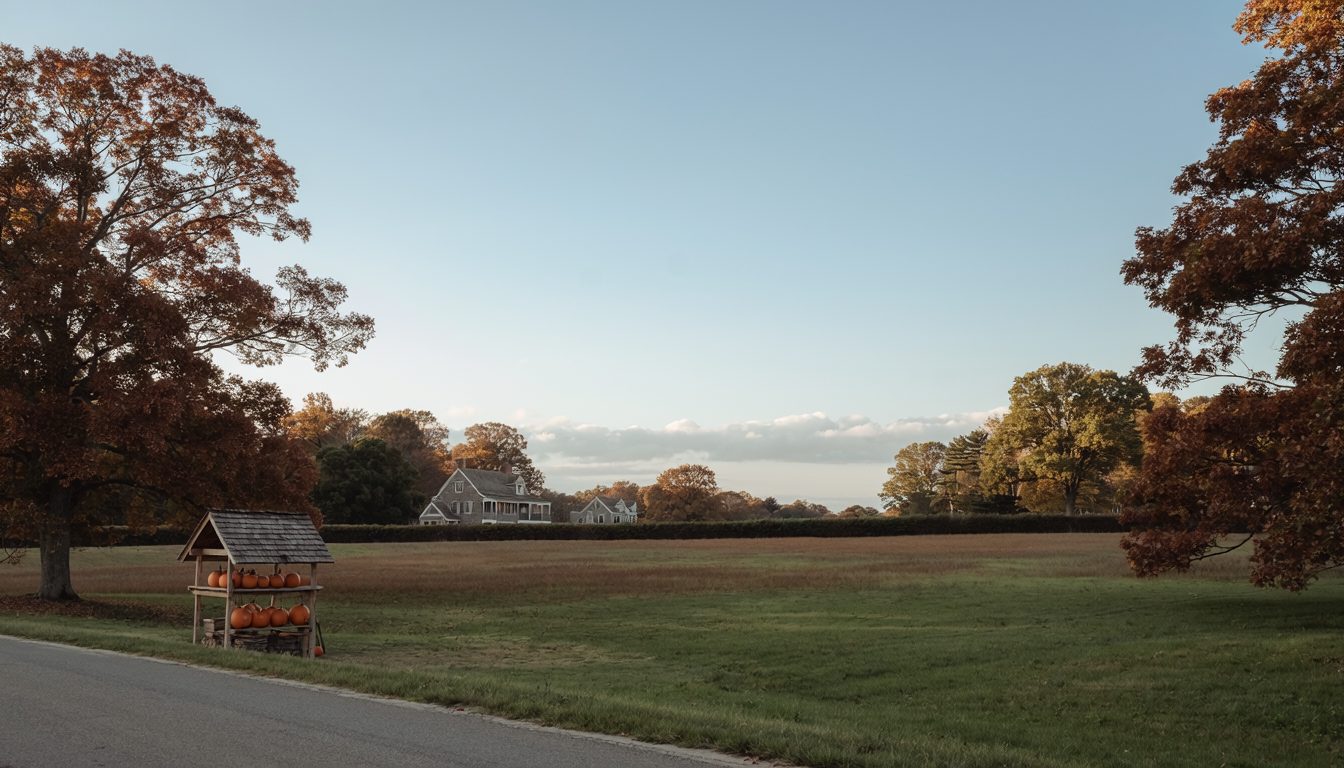
Benvenuto adds that the conservation effort also sustains the natural beauty that drives demand in the first place. The same policy that limits supply also reinforces the reason people want to buy.
The Mortgage Lock-In Layer
On top of those geographic and policy limits sits a familiar problem: homeowners who locked in low mortgage rates are reluctant to give them up. Rather than trading up, many are renovating in place, adding space and upgrading instead of selling.
The result is a market where even motivated buyers face limited options. Benvenuto says the squeeze is sharpest at the lower end of the market. Very few homes come up there, and the ones that do often need work before a buyer can move in. In her view, those lower price ranges are simply the market’s opening level, where homes function as starter homes.
Some owners who might otherwise list choose to hold their properties as rentals instead. Summer rental income helps cover carrying costs and can pay the property taxes. “They’ll hold on to it as a rental property,” Benvenuto says. “Absolutely. Helps carry a lot of costs.”
Who Is Actually Buying
The buyer profile is younger than many outsiders expect. Most start as summer renters who keep coming back, learn how the towns differ, and eventually buy in the one that fits them. Many are established in their careers and ready to invest.
These buyers plan to use the home but also see it as an investment. Benvenuto says limited supply keeps it appreciating regardless of broader conditions. Many end up using it far more than planned, discovering the farm stands and colors of fall, which she calls the most beautiful season, and the blooms of spring.
“They end up using it more than they thought they would,” Benvenuto says. “And those are the people that end up staying or maybe getting a bigger house, moving up.”
At the top of the market, buyers come from around the world, including Hollywood. Oceanfront homes, she says, now sit far above everything else in price, which helps explain why outsiders often assume the whole area is out of reach.
Turnkey Wins Over Fixer-Uppers
Among the buyers Benvenuto works with, appetite for renovation projects has faded. Buyers once arrived eager to take on fixer-uppers, influenced by home-improvement television. That has changed. Renovation costs have risen, and the time required to complete projects has made turnkey properties far more attractive.
“People want to know that they can buy a turnkey property, that all they need to do is cosmetics and turn it into their own,” she says. “They’re not looking for heavy renovation projects anymore.”
For sellers, that shifts the focus to preparation. Benvenuto says her team is currently helping sellers get ready for the next selling season. That means ordering inspections, fixing minor issues owners may have stopped noticing, and organizing paperwork, so properties are positioned before serious buyers arrive.
Running on Seasonal Time
East Hampton’s transaction calendar runs on a rhythm that rewards early movers. The market goes quiet through the holidays, but Benvenuto says serious buyers arrive in January and February. A closing takes a few months, and they want time to make the home their own before summer.
“The smart money will be here in January,” she says. Sellers who prepare over the winter are positioned to meet those buyers on their timeline.
One common misconception Benvenuto encounters is that the Hamptons are nothing but sprawling estates, an impression shaped by television and film. In fact, every hamlet has more modest options, from fishermen’s cottages to smaller summer homes. “They think that that’s all there is in the Hamptons,” she says. “And that’s not so.”
Different communities serve different interests, she adds, so matching a buyer to the right one matters as much as finding the right house. “It’s not just a house purchase,” Benvenuto says. “It really is a lifestyle.”
What Spring Will Reveal
Benvenuto says buyers have been cautious ahead of the election. With that behind them and winter settling in, she expects the holidays to stay quiet and serious buyers to arrive in January and February. The spring selling season, she says, will show where the market is headed.
Buyers who arrive in January will set the tone. Supply here is limited by geography and conservation policy rather than construction cycles. In that kind of market, properties that need little work are likely to draw the strongest interest. For sellers, the window to prepare is now, in the months before serious buyers start looking.
About the Expert: Karen Benvenuto is a licensed associate real estate broker with the Benvenuto Team at Compass, based in East Hampton, New York.
This article is based on information provided by the expert source cited above. It is intended for general informational purposes only and does not constitute legal, financial, or real estate advice. Readers should conduct their own research and consult qualified professionals before making any real estate or financial decisions.