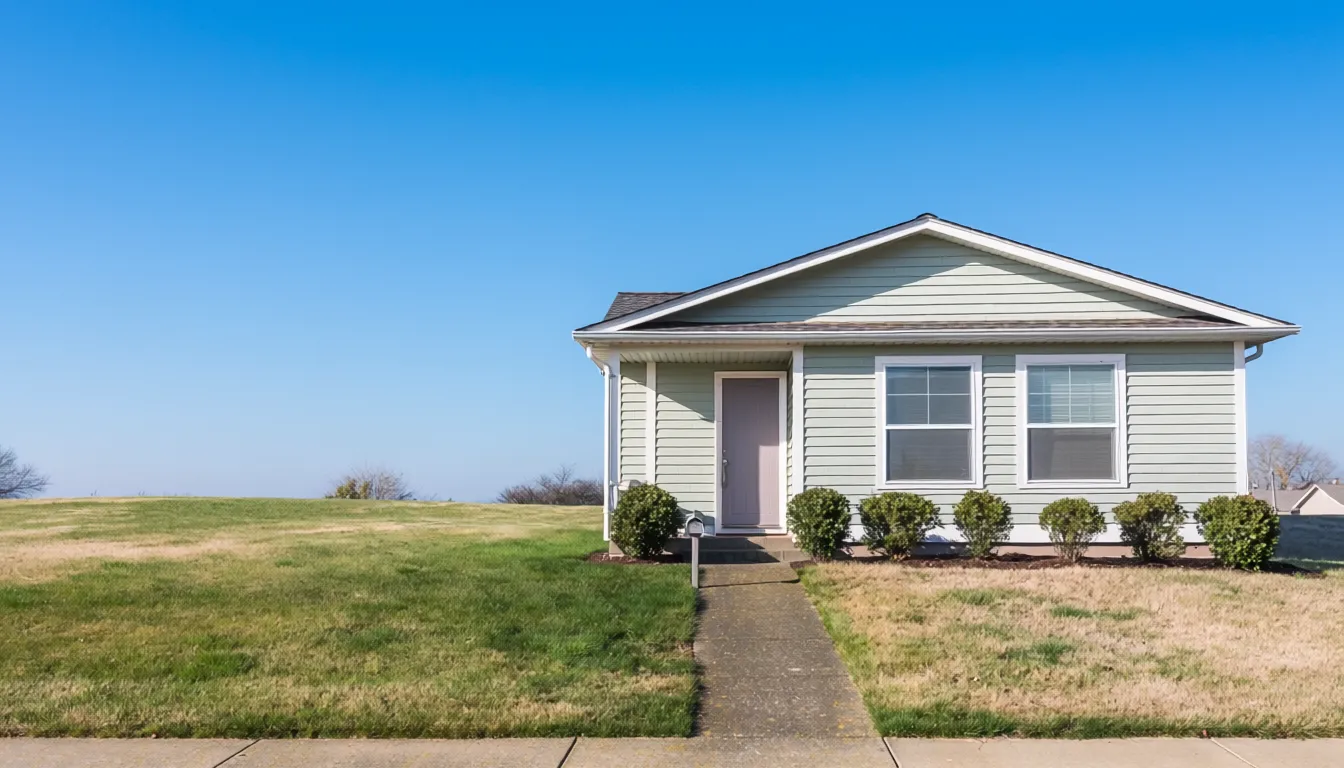
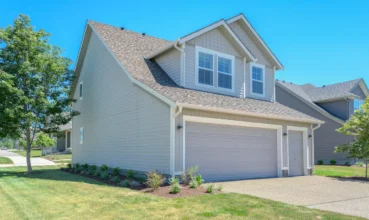
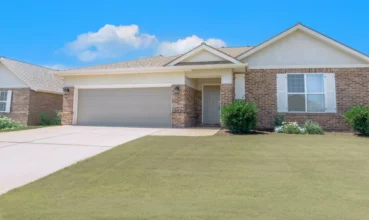
A nonprofit in Delaware is building cottage-style homes for roughly 25 to 30 percent less than what outside contractors would charge for the same work, according to its founder. That cost advantage drives some of the lowest rents and purchase prices in the state’s new housing pipeline. But the advantage depends almost entirely on one person’s construction background and willingness to work without pay – raising a difficult question for affordable housing: what happens when a model that works cannot be replicated?
George Meringolo, founder of Little Living, a Delaware-based 501(c)(3) that develops small cottage communities for workforce renters and buyers, is testing that question with his organization’s first project. Market Street Village in Georgetown carries a total development cost north of $5 million for 20 units. He says he priced the same scope through an outside general contractor and the bids came back dramatically higher: “The prices come in about 25 to 30% higher than we’re able to complete them for.”
That gap does not come from cheaper materials or smaller units. Meringolo says the cottages are stick-built from the ground up – no prefabricated walls or trusses shipped in on trucks. The savings come from his personal relationships with subcontractors, built over decades of high-end residential work in Delaware, and from the fact that no one at the top of the organization draws a salary.
Where the Savings Come From
Before founding Little Living, Meringolo ran a construction business focused on upscale interior work – hardwood installations, entertainment centers, kitchens, and additions in homes valued at $2 million and above. When he shifted to affordable cottage development, he brought the subcontractor network with him. Those relationships produce pricing that a nonprofit without construction industry ties would not be able to negotiate.
The zero-salary structure compounds the advantage. Meringolo says other nonprofit housing organizations typically pay executive leadership $100,000 to $200,000 or more. At Little Living, nobody in leadership is compensated. That places unusual operational risk on a single individual’s continued involvement.
He is candid about the limitation. Other nonprofits have approached him for guidance, and he shares it freely, but he does not expect them to reach his cost basis. “It’s very, very difficult for most people to do it,” he says, “because most people are looking to figure out how do I get a little bit out of it.”
What Renters and Buyers Would Actually Pay
Little Living’s target rents – $950 a month for a one-bedroom, $1,100 for a two-bedroom, and $1,200 for a three-bedroom – include all utilities: water, sewer, electric, and internet. According to Meringolo, the effective housing cost after backing out those utilities falls to roughly $650 to $900 a month. For buyers in the organization’s larger planned developments, purchase prices start at $115,000 for a one-bedroom, with the organization retaining ownership of the land and leasing it on long-term, assumable terms.
Those prices are tied to a cost structure that other developers, even well-intentioned nonprofit ones, would struggle to match. The target population – households earning between 40 and 80 percent of the area median income, or roughly $35,000 to $60,000 a year, according to Meringolo – includes service workers, disabled veterans, and retirees whose Social Security income cannot cover rents of $2,000 or more.
How Funding and Approvals Work
Scaling depends on fundraising. Meringolo is direct about that constraint: “We’re only limited by how much money we can raise.” Little Living recently received a $620,000 downtown development grant from the state of Delaware for the Georgetown project, with bridge financing from Neighbor Good Partners to access those funds before project completion. The organization is also pursuing traditional mortgage financing in the range of $1.2 million to $1.5 million for Georgetown.
On the approval side, Delaware’s governor has directed state agencies to give affordable housing projects expedited review, which Meringolo says has made a measurable difference with some agencies – particularly the Department of Transportation – though not uniformly across all of them. Georgetown rewrote a local ordinance to allow up to 12 units per acre for the project. Senate Bill 23, a state law with provisions favorable to affordable housing, has been embraced by Kent and New Castle counties but not yet by Sussex County, where Georgetown is located. Because Georgetown is an incorporated town, it can act independently of the county on zoning decisions.
The Replication Problem
Little Living has received land donations for two of its three planned projects and inquiries from Pennsylvania, Virginia, and Maryland. But each new site still needs the same ingredients: donated or discounted land, a willing local government, municipal water and sewer access, and construction management that can beat market pricing by a wide margin.
Meringolo acknowledges this plainly: “I don’t think that they can clone us.” He has built a second website, affordableworkforcehousing.com, to share information about the model. But advice cannot substitute for the decades of trade relationships that make his bids come in 25 to 30 percent below market. For households priced out of Delaware’s conventional rental market, the project that might actually fit their budget exists – but the pipeline behind it depends on a funding stream and a personal skill set that no organizational charter can guarantee.
About the Expert: George Meringolo leads Little Living, a Delaware-based 501(c)(3) nonprofit developing cottage-community housing.
This article is intended for informational purposes only and does not constitute legal, financial, or investment advice. The views and opinions expressed herein reflect those of the individuals quoted and do not represent an endorsement of any company, product, or service mentioned. Readers should conduct their own due diligence and consult qualified professionals before making any investment decisions.