Recent analysis of resident maintenance experiences is providing new insights into multifamily lease renewal patterns, according to Ray Hespen, CEO and Co-founder of Property Meld. In a recent interview, Hespen shared findings from research involving over 110,000 first-year leases, revealing how specific maintenance issues during the initial 90 days can significantly impact residents’ decisions to renew.
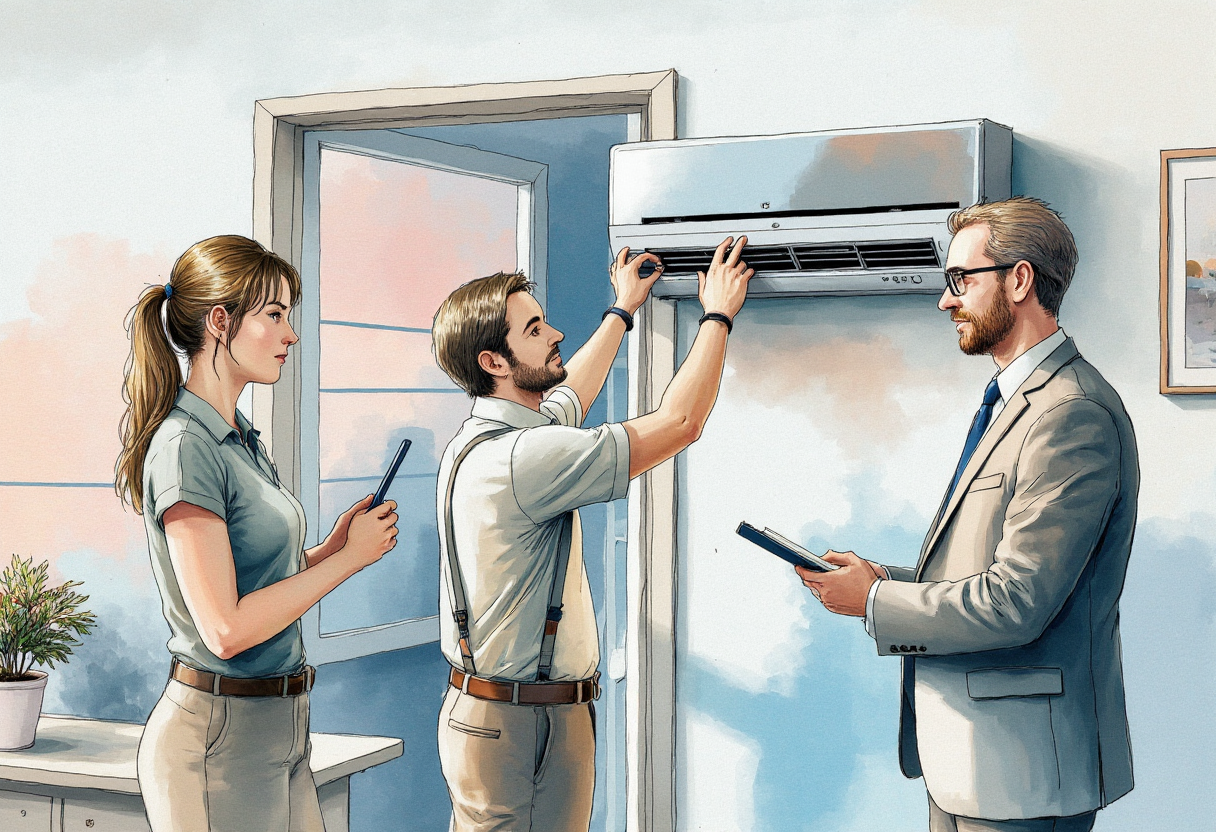
“If you’ve got, say, an air conditioner issue, it will increase the likelihood of lease churn happening. So if you have an air conditioner in the first 90 days, it will increase the likelihood of a lease churn by 98 and a half percent,” said Hespen, who has analyzed maintenance data across thousands of multifamily properties to identify patterns previously unrecognized by the industry.
The multifamily housing market has shifted, and operators can no longer rely on rent increases to drive returns. Lease retention has become the primary driver of financial performance.
Hespen highlighted several maintenance-related factors that significantly impact resident renewal decisions. Speed of response remains a key driver of resident satisfaction, with quicker resolution times for HVAC, plumbing, and electrical issues directly influencing the overall experience. Assignment timing also plays a critical role: delays in assigning a repair, even by a small margin, can increase the likelihood that a resident enters a high-risk churn category.
Communication quality is crucial, with an optimal range of five to nine interactions between residents, technicians, and property managers during a repair helping to maintain engagement and confidence in property management.
Hespen noted that residents are particularly sensitive to certain maintenance failures during their first 90 days of occupancy.
“If you have a toilet issue, 93.7% if you’ve got something related to a dishwasher, it’s 67.4%. The reality is, if you get something in the first 90 days, it’s really bad, like, it’s just which ones are suicidal financially, versus which ones are figuring it out,” he explained.
The top five highest-risk maintenance issues in order of lease churn correlation are air conditioner, water heater, toilet, heating system, and water system problems.
The preferences of first-year residents are especially influential in the current market, as their maintenance experience during the initial lease period statistically determines renewal likelihood.
“Now that we know this, we can’t protect everything, like it’s happened, but I think historically, we would treat it as not that big a deal. Okay, dang it. It happens. But really, how do we start thinking about it when you have maintenance issues or high risk things? How do we treat that resident in the future starts to become really important.”
This insight suggests operators should rethink their approach to new resident maintenance experiences, treating them as a strategic financial consideration rather than a routine operational task.
For those looking to optimize renewal rates, Hespen offered practical advice: “Being able to identify lease risk behaviors. And then two. What’s the SOP for when you run into one of those and how do you treat your dispatching differently? All right, I know this is a lease churn risk who’s got the best likelihood to make the resident happy period? Cost is secondary, because at this point you’re talking about $5,000 lease churn.”
Operators should develop specific protocols for residents who experience high-risk maintenance issues, prioritizing satisfaction over cost when addressing subsequent service requests.
Looking ahead, Hespen predicts that maintenance operations will become more sophisticated as the financial impact becomes clearer.
“This is the first time that we’re actually connecting maintenance to the CFO. If we perform this way. And now CFOs are going to get a lot more involved in this business, I think. And I actually think that’s a really, really good thing,” he said, anticipating a shift in how the industry approaches maintenance as a strategic revenue driver rather than a cost center.