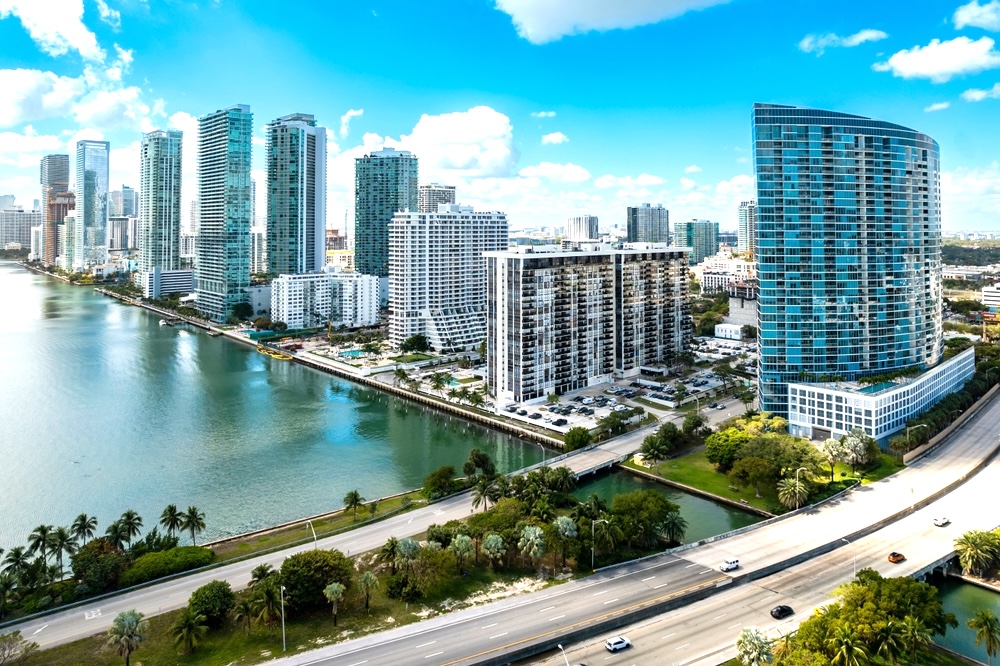
Owning a rental property in Miami sounds like a dream: warm weather, strong demand, and a city that keeps growing. For many investors, it has delivered. But property managers working in the market right now see something that doesn’t always make it into the sales pitch: the math has gotten tighter, and the surprises hit hardest when owners aren’t paying close attention.
Timothy Meyers, Managing Partner and COO of Winvest Management, has spent years managing luxury condo rentals across Miami’s most active neighborhoods. He works mostly with out-of-state and international owners who bought units and need someone local to keep them running. What he sees on the ground offers a clear view of what rental ownership in Miami actually entails right now.
The Returns Are Real
Miami rents surged during the pandemic years, and many investors bought in expecting those numbers to hold. They haven’t, at least not everywhere. “Most of the leases are stagnant, or maybe down a point,” Meyers says. That might not sound dramatic, but when expenses keep climbing, insurance, maintenance, HOA fees, even a small dip in rent squeezes monthly returns more than expected.
Smart management can offset some of that compression. Meyers points to property tax appeals as one of the most overlooked tools available to rental owners. In Florida, assessed values don’t always reflect what a property is actually worth in the current market, and filing an appeal can result in a meaningful reduction that directly affects the owner’s net profit.
The Costs That Catch People Off Guard
The bigger surprises usually aren’t the dramatic ones. They’re the small things ignored for too long.
A dirty air filter doesn’t sound like a financial risk. But let it go for a year, and you’re looking at a burned-out AC motor, a repair bill running into the thousands, an unhappy tenant, and potential vacancy while it gets fixed. Preventive maintenance isn’t glamorous, but it’s where real money gets protected. The owners who come out ahead in a tighter market are the ones whose properties run on a schedule, filters changed, systems inspected, small repairs handled before they become expensive emergencies.
What “Hands-Off” Actually Means
Many buyers purchase a Miami rental expecting it to be truly passive: buy it, hire someone, collect checks. Meyers says that’s mostly achievable, but there’s a hands-off approach that works against you.
Decisions come up regularly: a repair with two reasonable solutions, a lease renewal with terms worth reviewing, a legal document requiring a proper signature. Owners who stay completely checked out can end up with outcomes they didn’t want because no one had the authority to loop them in at the right moment.
The owners who do best stay engaged during the first few months of working with a management team, then gradually step back as trust builds. That early communication lays the foundation for everything to run smoothly later.
What to Watch Before You Buy
If you’re considering buying a rental property in Miami right now, several factors are worth understanding before you run the numbers.
Supply is high. Miami is building more new units than almost anywhere else in the country, and that competition affects how quickly you’ll lease and at what price. Factor in a realistic lease-up timeline, not a best-case one.
Expenses are sticky. Rents may fluctuate, but insurance, taxes, and maintenance costs tend to move in one direction. Build in a buffer, and look closely at the property tax history before closing.
Location still matters, but perhaps not how you think. Meyers manages properties from Sunny Isles to Coconut Grove, and he says market compression has been fairly consistent across price points and neighborhoods. A higher-end unit doesn’t automatically insulate you from the same dynamics affecting the broader market.
Ask about the unit’s condition before you close. A property that looks great in photos but has deferred maintenance is a liability, not a deal. Get a thorough inspection, and factor any needed work into your purchase price.
The Longer View
The current supply surge will eventually slow. Building permits take roughly three years to be converted into finished units, and the pace of new development is already easing. When that pipeline thins out, Miami’s steady population growth, which hasn’t slowed, will start pushing demand back ahead of supply.
For investors who can hold through the current soft patch without panicking, the outlook is reasonably positive. The city isn’t losing its appeal. It’s in a moment where patience and sound management matter more than they did a few years ago.
The Bottom Line
Owning a rental in Miami can still work, but it works best when you go in with realistic expectations, a solid management plan, and a close eye on expenses. The investors doing well right now aren’t the ones who got lucky on timing. They’re the ones who treat it like the business it actually is.
About the Expert: Timothy Meyers is Managing Partner and COO of Winvest Management in Miami, where he oversees luxury condo rentals across the city’s most active neighborhoods on behalf of out-of-state and international owners.
This article is intended for informational purposes only and does not constitute legal, financial, or investment advice. The views and opinions expressed herein reflect those of the individuals quoted and do not represent an endorsement of any company, product, or service mentioned. Readers should conduct their own due diligence and consult qualified professionals before making any investment decisions.