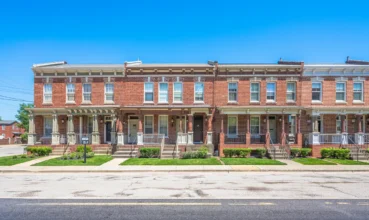
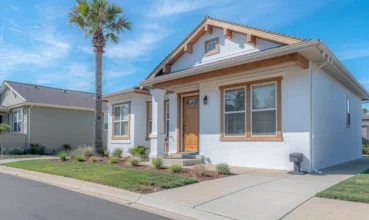
Touring a 100-year-old home in Richmond’s Fan District can feel like stepping into history. Intricate crown molding, gleaming hardwood floors, and classic facades draw buyers in, but beneath the surface, older homes often conceal costly problems. Many buyers focus on aesthetics and overlook issues that can turn a dream home into a financial headache.
Christopher Small, broker and team leader at Park27 in Richmond, has spent 43 years selling historic properties. He warns that buyers often fall for charm without understanding the risks. “Most buyers don’t take in enough information to understand that if they really want the aesthetics, some things they just have to accept,” he says. Local experts look for these seven red flags before getting distracted by updated kitchens or fresh paint — and you should, too.
1. Knob and Tube Wiring in the Attic
Many homes built between 1890 and 1918 still have knob and tube wiring. While not inherently dangerous, improperly connected or deteriorated wiring can cause fires. Insurance companies frequently refuse to cover homes with active knob and tube systems, which can make securing a mortgage difficult.
What to do: Have your inspector check all wiring and connections. If replacement is needed, rewiring typically costs $1,500 to $3,000 per room. Get quotes from licensed electricians before moving forward.
2. Asbestos Pipe Insulation
Asbestos insulation is common in older homes. If left undisturbed, it’s generally safe, but any renovation that disturbs asbestos requires professional removal. Removal costs range from $1,000 to $3,000 for a small area, and can be much higher for larger jobs.
What to do: Request an asbestos inspection during your due diligence period. If removal is necessary, factor the cost into your offer.
3. Fresh Paint in Just One Room
A single freshly painted room can signal an attempt to conceal ceiling stains, wall cracks, or other recent damage. This is often more than simple redecorating. If the rest of the house shows normal wear but one room looks new, ask for an explanation.
What to do: Request repair records for that room and ask your inspector to check for moisture or hidden damage. If water damage or structural issues are present, negotiate repairs or reconsider the purchase.
4. Doors That Don’t Close Smoothly
While some settling is normal in older homes, multiple doors that stick can indicate foundation movement or structural problems. Foundation repairs can cost anywhere from $5,000 to $20,000, depending on the extent of the damage.
What to do: Test every door in the house. If more than one stick, have your inspector or a structural engineer investigate before proceeding.
5. Basement or Crawl Space You Can’t Access
Limited access to basements or crawl spaces can be a red flag. Sellers sometimes block these areas to hide water intrusion, mold, or structural issues. Repairs in these parts of a house often run into the thousands.
What to do: Make access to all areas a condition of your offer. Ensure your inspector checks for moisture, mold, and structural integrity. If a seller refuses access, consider it a warning sign.
6. Mismatched Flooring in Adjacent Rooms
New flooring in just one room — especially if adjacent rooms have original floors — can indicate a quick fix after flood or fire damage. Patchwork floors often mean repairs were needed recently. Hidden problems under new floors can add $3,000 or more to your renovation budget.
What to do: Ask when and why the floors were replaced. Check for signs of recent repairs around baseboards or beneath rugs.
7. Windows Painted Shut
Windows that don’t open can result from frame rot, lead paint, or poor ventilation, all of which are common in historic homes. Repairs may cost $200 per window, while full replacements can run $800 or more each.
What to do: Test every window. If several are painted shut or stuck, factor the repair or replacement costs into your budget. Ask whether the windows have been tested for lead-based paint.
When It’s Actually Fine
Not every quirk in a historic home is cause for alarm. Hairline cracks in plaster are usually signs of settling, not structural issues. Every house built before 1978 contains lead paint, but unless it’s deteriorating, it may not require removal. “Don’t eat the paint,” Small jokes. Lead-based paint is common, but buyers often overreact without cause.
The key is distinguishing between cosmetic quirks and genuine hazards. If your inspector says a problem is minor, don’t let it derail your purchase — but always ask questions and seek professional opinions.
The Bottom Line
While buyers can spot some issues on their own, a professional inspector will uncover problems that are easy to miss. “Everything matters,” Small says. “The way you do things matters, the efficiency of the way you do things matters.” Focusing only on cosmetic updates or staged spaces can distract you from the real costs of ownership in an older home.
About the Expert: Christopher Small is a broker, owner, and team leader at Park27 in Richmond, Virginia. With 43 years of experience, he specializes in historic properties and luxury listings in Richmond’s most sought-after neighborhoods.
This article is based on information provided by the expert source cited above. It is intended for general informational purposes only and does not constitute legal, financial, or real estate advice. Readers should conduct their own research and consult qualified professionals before making any real estate or financial decisions.