Conventional wisdom says spring is when you sell a house. The flowers are blooming, the yard looks its best, and buyers are out in force. But in northern New Jersey, where inventory has been well below normal for years, waiting for April or May means walking into the heaviest competition of the year. Julia Gaffney, who leads a five-agent team at Keller Williams Prosperity Realty covering Passaic, Bergen, Essex, Morris, and Sussex counties, argues that sellers who list in January, when almost nobody else does, tend to come out ahead. She starts the conversation with her sellers as early as October. In her observation, “they always get the best prices,” and the homes move fast.
Why January Works in a Low-Inventory Market
Northern New Jersey has been running well below normal inventory levels since the pandemic. Gaffney’s own town of West Milford currently has about 103 active listings, down from 220 when she entered the business 14 years ago. During the pandemic, that number dropped as low as 36. In that environment, every new listing draws attention. A home that hits the market in January faces far less competition than one listed in April, when sellers who waited for spring weather all list within weeks of each other.
On the buyer side, January brings a specific, motivated group. Gaffney describes them as people who made a New Year’s resolution to buy a home. They are not browsing. They are ready to act, and they have fewer options to choose from. That combination – motivated buyers, thin inventory – tends to produce strong offers.
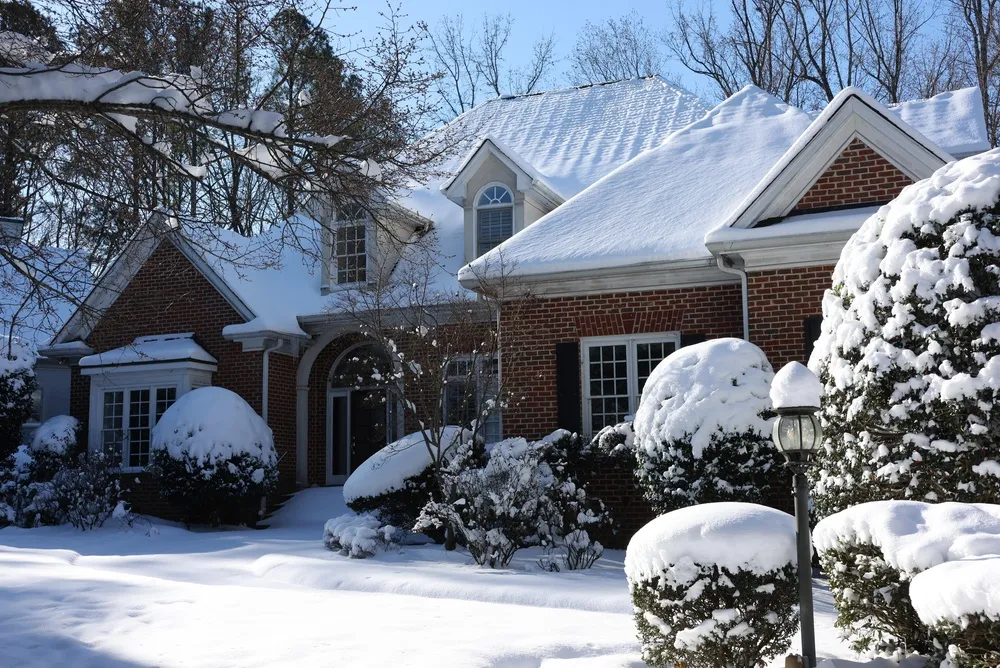
Gaffney is blunt about the psychology working in a January seller’s favor: “Who’s listing their home when there’s two feet of snow on the ground? No one, except for my sellers.” The snow is not a liability. It is a competitive advantage.
The Spring Trap Sellers Do Not See Coming
The risk of waiting for spring is not that the market will crash. In most of North Jersey, conditions remain competitive. The risk is that a home becomes one of many. When multiple homes hit the market in the same town in the same month, buyers gain leverage. They can compare, negotiate, and wait. The multiple-offer dynamic that sellers want depends partly on scarcity, and spring listing season is when scarcity evaporates.
Gaffney says this year has felt more like a traditional cyclical market than anything she has seen since before the pandemic: a return to the pattern of a quiet winter, busy spring, summer slowdown, and fall push. That seasonal rhythm makes the gap between winter scarcity and spring abundance more predictable, which is exactly what a prepared January seller can exploit.
Each County Behaves Differently
Gaffney warns against treating North Jersey as a single market. Bergen County, one of the most expensive counties in the country, remains fiercely competitive with multiple offers. Essex County is similarly tight. But the further west buyers go, the more conditions vary. Sussex County is where she first noticed inventory loosening about six months ago: longer days on market, price reductions, lighter open house attendance. That loosening has since begun creeping into Passaic and Morris counties.
She describes it as a wave: changes appear first in the counties farthest from New York City and move back toward the metropolitan core. Towns right outside the city – Bergen, Hudson, Union counties – hold strong because of sheer proximity. Pricing a home correctly requires looking not at regional averages but at the specific town’s active listings, recent sales, and pending contracts. Gaffney says she always presents sellers with a price range based on comparable sales, and when inventory in their town is rising, she recommends pricing toward the lower end of that range to stay competitive rather than helping a neighbor’s listing sell instead.
The Fall-to-Winter Pipeline
Gaffney says her current focus is getting buyers and sellers under contract by mid-to-late November. After that, she turns to the January pipeline: sellers she has been preparing since October who are ready to go live on or near January 1st. She treats that date, not the first warm weekend in March, as the start of her selling season. “January 1st is the beginning of my spring market, always.”
For sellers weighing their timeline, the practical requirement is preparation. A January listing means the home must be show-ready by late December, decluttered, photographed, and priced using current comparable data. In a market where each town behaves differently, that lead time matters. A seller who decides in early January to list by mid-month is scrambling. One who started planning in October is positioned to capture the first serious buyers of the year before most competitors have called an agent.
About the Expert: Julia Gaffney is founder and team lead of Elevate Real Estate Group at Keller Williams Prosperity Realty, covering North Jersey.
This article is intended for informational purposes only and does not constitute legal, financial, or investment advice. The views and opinions expressed herein reflect those of the individuals quoted and do not represent an endorsement of any company, product, or service mentioned. Readers should conduct their own due diligence and consult qualified professionals before making any investment decisions.