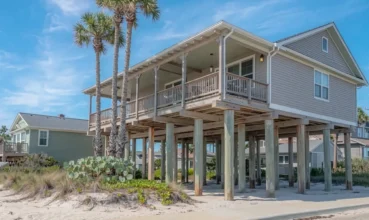
You find the perfect waterfront home in St. Pete, but when the insurance quote arrives, it’s double what you expected. Suddenly, your monthly payment jumps by hundreds of dollars, putting the deal at risk. For buyers and owners across the Gulf Coast, insurance has become a central concern — often determining whether a transaction moves forward or falls apart.
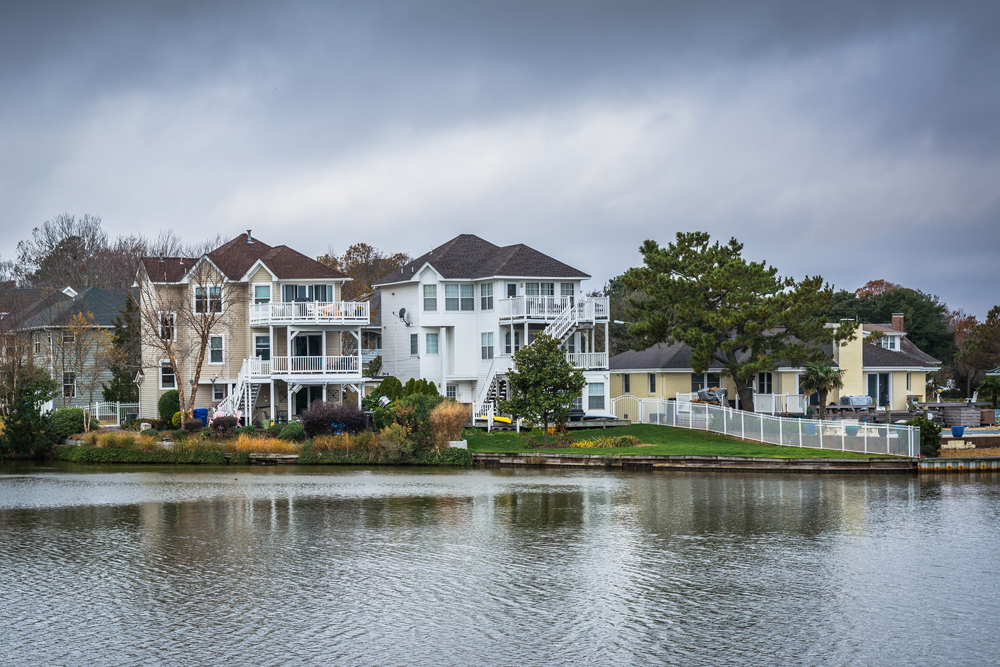
Insurance is no longer a background detail in the St. Pete housing market. After Hurricanes Helene and Milton, the cost and availability of insurance have become top priorities for buyers and sellers alike. Carly Majorana, a realtor with Next Home Gulf Coast specializing in waterfront properties, says the first question she hears from buyers is now almost always about flood history: “Has it flooded?” That concern is reshaping negotiations, pricing, and the pace of sales across the region.
Why Insurance Matters
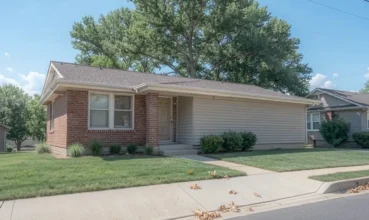
Rising insurance premiums are forcing buyers to reconsider what they can afford — and in some cases, whether they can buy at all. While not every policy has doubled, rates for single-story waterfront homes in flood zones have increased sharply. Properties outside high-risk zones are seeing smaller increases and are generally easier to insure.
The challenge isn’t just higher costs. Some buyers can’t secure coverage at all, or they face strict exclusions and requirements. This uncertainty is causing more buyers to request insurance quotes before making offers, rather than waiting until after going under contract. Buyers are also checking FEMA flood maps, reviewing repair histories, and asking for documentation on any previous storm damage. As Majorana puts it, buyers are “deep-diving into everything” — reading HOA meeting minutes, talking to condo association leaders, and verifying that repairs were permitted and properly completed.
Homes that flooded during recent hurricanes are now sitting on the market longer, even after repairs. Buyers are wary of repeat flooding, viewing one incident as manageable but multiple floods as a serious risk. In contrast, homes that stayed dry during Helene and Milton are selling faster and retaining value, even within the same neighborhoods.
How Buyers Can Protect Themselves
Given these challenges, buyers need to approach insurance proactively:
– Get an insurance quote before making an offer. Don’t wait until you’re under contract to learn your premium will be thousands more than expected. Call an insurance agent, provide the address, and get a firm quote before committing to a purchase.
– Check the flood zone status. Use FEMA’s online flood map tool to see if the property is in a high-risk area. If it is, budget for flood insurance, which can add several thousand dollars to annual costs.
– Ask for detailed repair history. If the home flooded during Helene or Milton, request documentation showing repairs were permitted, inspected, and fully completed. Majorana notes that repeated flooding is a major red flag for buyers and insurers alike.
– Review HOA and condo documents carefully. For condo buyers, insurance concerns are often compounded by special assessments for repairs or insurance shortfalls. These assessments can add tens of thousands of dollars per unit. Hence, buyers are now routinely reading HOA meeting minutes and speaking with association leaders to understand the building’s true condition and insurance status.
For Homeowners and Landlords
For current owners and landlords, rising insurance costs require active management:
– Shop your policy before renewal. Review your policy and get quotes from at least two additional carriers 30 to 60 days before your renewal date. Some insurers are raising rates or exiting the Florida market, so relying on your current provider may not be an option.
– Consider increasing your deductible. Raising the deductible can lower your premium, but be sure you have enough savings to cover the higher out-of-pocket cost if you need to file a claim.
– Document property upgrades. Notify your insurance agent about any improvements, such as a new roof, updated electrical systems, or added storm shutters. These upgrades may reduce your premium or improve your ability to get coverage.
Potential Pitfalls and Delays
Insurance complications can derail a home purchase even after the contract is signed. Some lenders require proof of insurance before closing, and if buyers can’t secure coverage in time, the deal may fall through. Certain policies also have a 30-day waiting period before coverage begins, making last-minute insurance shopping risky — especially as hurricane season approaches.
For condo buyers, the situation is often more complex. Many buildings are facing large special assessments to cover insurance gaps or structural repairs, which can significantly raise the cost of ownership. Buyers are now expected to conduct more due diligence, including reviewing the association’s financials and speaking with HOA leadership.
The New Reality
Insurance is now one of the most important factors in St. Pete’s real estate market. The homes that are selling quickly are those with no history of flooding and clear, affordable insurance options. Buyers are more informed and cautious, often walking away from deals that come with uncertain or excessive insurance costs.
For sellers, this means that providing documentation of flood history, repairs, and current insurance quotes can make a listing more attractive. For buyers, thorough research and early engagement with insurance agents are essential steps. Owners and landlords must be proactive about shopping policies and documenting upgrades to keep coverage affordable.
With insurance costs rising and availability tightening, St. Pete buyers and owners need to be more diligent than ever. The days of treating insurance as an afterthought are over. Buyers who secure quotes early, verify flood risk, and understand the true cost of ownership are better positioned to succeed in this changing market. Sellers who anticipate these concerns and provide clear information will have an edge.
About the Expert: Carly Majorana is a realtor with NextHome Gulf Coast specializing in waterfront properties along Florida’s Gulf Coast. Based in the St. Petersburg area, she works with buyers and sellers navigating one of the most insurance-sensitive real estate markets in the country. Her work sits at the intersection of coastal lifestyle and the practical realities of storm risk, flood zones, and rising coverage costs.
This article is intended for informational purposes only and does not constitute legal, financial, or investment advice. The views and opinions expressed herein reflect those of the individuals quoted and do not represent an endorsement of any company, product, or service mentioned. Readers should conduct their own due diligence and consult qualified professionals before making any investment decisions.