

Rising regulatory and compliance costs have pushed the per-unit price of subsidized affordable housing above that of market-rate projects, according to Marc Norman, Associate Dean at NYU Sch...

St. Augustine Market Signals Florida’s Shift as Buyer Motivation Drives Sales

Written by:
Date:
21 Jan 2026
Share via Facebook

Share via Linkedin

Share via X

Copy to clipboard

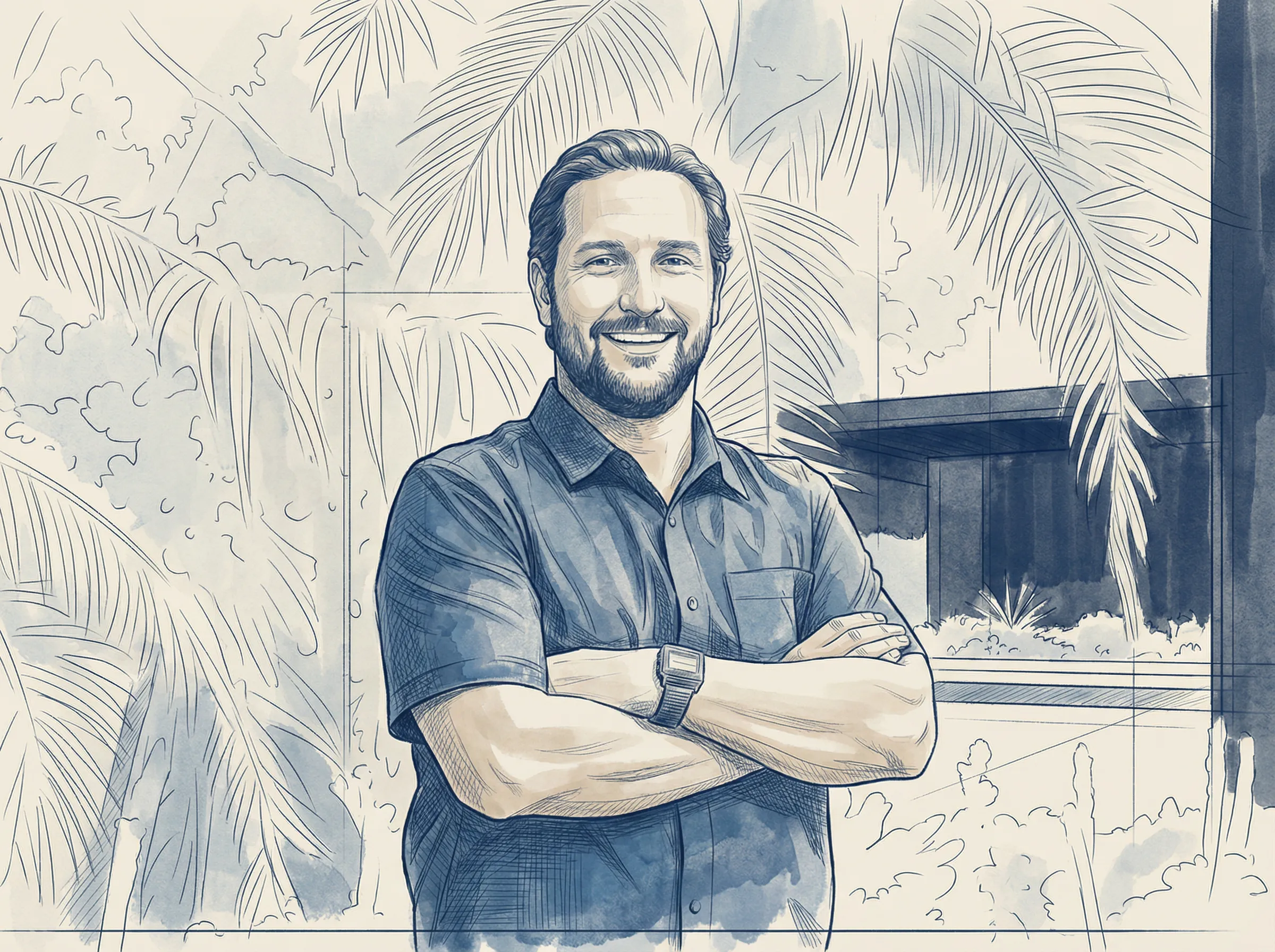
The St. Augustine real estate market is now experiencing the same forces reshaping much of Florida: buyers need clear, compelling reasons to move amid higher interest rates and more cautious lending. As the market adjusts from the pandemic boom, distinct segments are emerging, each responding differently to these new conditions.
From Rapid Growth to Market Reset
Zach DiFilippo, a local agent at Coldwell Banker Premier Properties, whose career has tracked the rise and recalibration of St. Augustine’s housing sector, offers a window into these changes. After graduating from college, DiFilippo joined a small three-person team that quickly grew to 12 agents, collectively closing nearly $120 million in annual sales within five years. This surge mirrored the frenzied, opportunity-driven environment of the post-2020 market, when cheap money and remote work fueled rapid appreciation and high transaction volume.
That environment has shifted dramatically. “The market has changed quite a bit in the last 18 to 24 months,” DiFilippo says. “You have a lot more people who are more motivated. If you’re purchasing something or selling something, true motivation has to be there.” He contrasts this with the period from 2020 to 2022, when historically low mortgage rates and flexible work arrangements allowed more buyers and sellers to act on a whim. “People could just move if they felt like moving. If they wanted to upgrade, they could because they could get out of their house and buy another house at 2.75% or 3% interest,” he recalls.
Today, with mortgage rates in the 6-7% range, discretionary moves have fallen off. Buyers are weighing not just lifestyle, but necessity: relocation for work, family changes, or other non-negotiable reasons, before listing or purchasing a home.
Distinct Market Segments Emerge
Market performance in St. Augustine now varies sharply by price point and property type. Entry-level homes under $350,000 continue to attract steady demand, often selling quickly as first-time buyers and those relocating from higher-cost regions seek attainable options. In contrast, homes priced between $350,000 and $650,000 are spending longer on the market, with typical days on market stretching to 80-110, a marked increase from the days or weeks seen during the pandemic boom.
The luxury segment, encompassing homes above $1 million, remains active. Buyers in this tier are less sensitive to interest rate fluctuations, often paying cash or putting down substantial down payments. “The luxury market is still moving because those buyers aren’t as impacted by rates,” DiFilippo notes. These buyers are motivated by location, amenities, and long-term value, rather than short-term financing costs.
Investor activity, however, has slowed significantly. “You’re not seeing as many Airbnbs. That market has been saturated, and the numbers with your income from an Airbnb don’t make as much sense because the prices are higher,” DiFilippo observes. He cites a typical example: a $1.1 million beachfront property now generating $80,000 a year in rental income, compared with earlier scenarios in which a $750,000-$800,000 home could bring in $85,000. With higher purchase prices and rising insurance costs, the return on investment for short-term rentals has diminished, leading many investors to pause or exit the market.
Builders Raise the Stakes for Resale Homes
Existing home sales are also facing heightened competition from new construction. Builders with in-house lending and title services can offer aggressive incentives, such as rate buydowns, closing-cost contributions, or upgrades, to make new homes more attractive than resales. “If you have a resale home, you just gotta price it right and have the right attributes so that somebody would rather pick that versus the brand new shiny house that is one of 10,000,” DiFilippo explains.
Buyers are weighing the benefits of established neighborhoods: mature landscaping, stable HOAs, and proven build quality, against the allure of new construction with modern features and builder-backed incentives. This dynamic is pushing many sellers to adjust their pricing and presentation strategies to stand out in a crowded field.
Insurance Remains a Controllable Risk
Rising insurance costs are a well-documented issue across Florida, but in St. Augustine, DiFilippo characterizes the challenge as manageable for those who plan. “It’s easy for a deal to fall apart because of insurance if you don’t know what you’re doing,” he says, stressing the importance of working with experienced insurance agents who can anticipate and resolve potential problems early in the process.
The key is to set realistic expectations with buyers and sellers at the outset, ensuring potential coverage issues or premium hikes are addressed before a transaction reaches closing. By proactively managing these risks, agents can reduce the likelihood of deals collapsing due to last-minute surprises.
Return to Traditional Due Diligence
The breakneck pace of 2020-2022, when buyers routinely waived inspections and other contingencies to win bidding wars, has given way to a more deliberate, traditional process. “Now we’re back to that pre-COVID world where I can show a house, ask questions, do a little bit of pre-due diligence before going under contract,” DiFilippo says.
This return to normalcy benefits both buyers and sellers. Buyers have more time to conduct inspections and review disclosures, reducing the risk of costly surprises. Sellers, in turn, are less likely to see deals fall apart mid-transaction due to issues discovered during the inspection period.
Resetting Timing and Price Expectations
One of the most common challenges in the current market is managing seller expectations. Many homeowners continue to reference the rapid sales and record prices of the pandemic era, even as the market has normalized. “Everyone wants the highest price in the fastest amount of time. But a normal market is a four to six month inventory market,” DiFilippo explains. “The expectation and the dream of what the COVID world brought was an outlier. To sell a house in two to three weeks at any given price is not normal.”
For buyers, the process now requires more planning and patience. DiFilippo advises: “Always plan backwards. Know that if you want a certain closing date, plan to be under contract at least 45 days before that closing date to get all your ducks in a row.” With more extended contract periods and more thorough due diligence, both sides must adjust to a slower, but ultimately more stable, transaction timeline.
Opportunities for Strategic Investors
Despite the slowdown in speculative activity, DiFilippo sees targeted opportunities for investors with a long-term outlook. Land located within 30 minutes of the beach remains scarce, especially given St. Augustine’s strict 35-foot building height limit, which restricts vertical development. “When more people come, they’re going to need to spread out,” he says, suggesting that infill and suburban land parcels could appreciate as population growth continues.
The condominium market, currently under pressure from higher association costs and stricter lending requirements, may also offer value for patient investors. Those willing to conduct thorough due diligence on HOA finances, reserves, and insurance can find deals that less diligent buyers overlook.
Why This Market Matters Now
The current conditions in St. Augustine encapsulate the recalibration underway across Florida’s coastal markets. Higher interest rates, increased insurance costs, and a return to more typical inventory levels have ended the era of runaway price appreciation and instant sales. Instead, transactions are now driven by genuine need, careful planning, and realistic expectations.
For agents and other real estate professionals, success in this environment requires deep local knowledge, strong relationships with lenders and insurance providers, and the ability to educate clients about what to expect. DiFilippo’s advice is direct: “Talk to actual local experts. Don’t just get a pre-approval online and get swooned by the hooks they throw at you. Talk to agents that have done business full-time, not part-time, not discount agents.”
In today’s St. Augustine market, and by extension, much of Florida, professional guidance and clear-eyed realism are essential. The days of easy deals are over. What remains is a more balanced, sustainable market where genuine motivation and expert support are the keys to successful transactions.
Similar Articles
Explore similar articles from Our Team of Experts.