The narrative around Seattle’s high-end real estate market has taken a particular shape in recent months: wealthy residents are leaving, the market is cooling, and the Pacific Northwest’s appeal is fading. On the ground, the picture depends on which price tier you’re watching. Below roughly $4 to $5 million, well-positioned homes still draw multiple offers, according to Eric Akines, Founding Member & Luxury Broker at Real Residential in Seattle. Above that line, the pace has slowed, not because demand has collapsed, but because inventory has grown in specific segments and buyer preferences are shifting.
That divergence tells a more useful story than the blanket “cooling” label suggests.
The Rate Lock Effect
The fundamental supply dynamic in greater Seattle hasn’t changed much from the national pattern: owners who locked in rates in the 3% range aren’t moving unless life forces them to. But in Seattle, this constraint sits on top of structural demand drivers – major tech employers, no state income tax, and a lifestyle that continues to attract relocating workers – which means the resulting tightness has kept prices more resilient than in markets where demand has softened alongside inventory.
“People are really tending to stay put if they don’t have to sell,” Akines said. Even as active listings have risen somewhat, the market still feels tight because underlying demand hasn’t retreated. For buyers, this means competition persists on well-priced homes even as broader headlines suggest otherwise.
The brokerage operates offices in both Seattle and Bellevue and reported over a billion dollars in sales last year, working across price points from urban condos to waterfront estates.
Pricing Accuracy Is the New Differentiator
What has shifted is how much precision matters in pricing and presentation. During the low-inventory years, even imperfectly priced homes could attract buyers. Now, according to Akines, the market is “sorting confident sellers from the overconfident ones.”
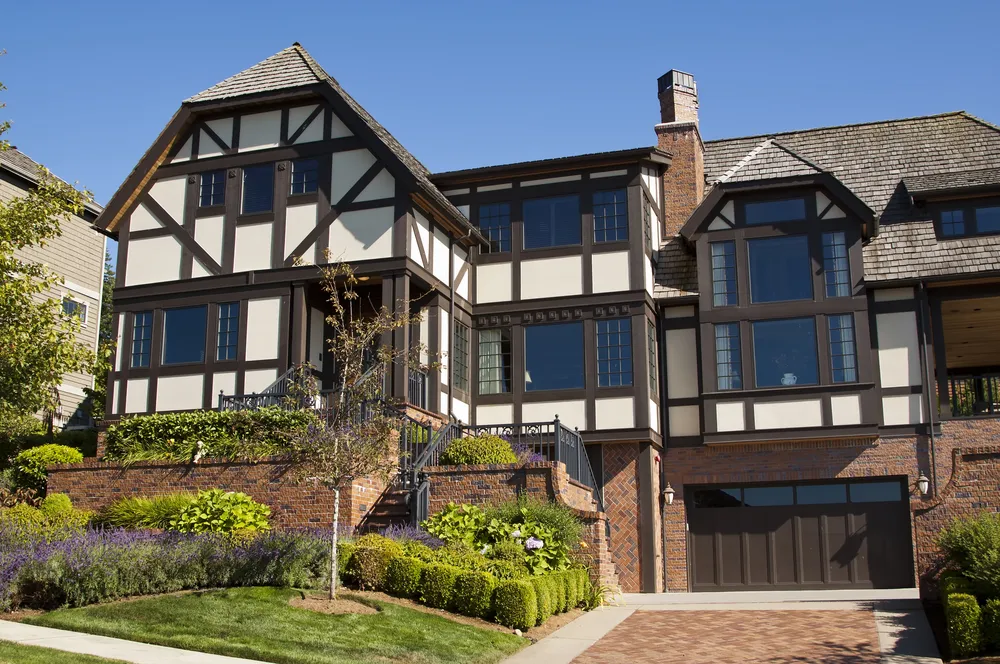
Homes with strong architecture, good locations, and fair market pricing still move quickly, often with multiple offers at and below that $4 to $5 million threshold. But properties priced above what the market supports, particularly newer construction on the east side in the $3 million-plus range, are sitting longer. Inventory in that segment has grown, and sales have slowed accordingly.
Akines described the luxury market above $4 to $5 million as “in a different place right now,” experiencing stabilization or slower growth rather than the appreciation visible at lower tiers. For sellers above that line, the implication is direct: pricing based on where the market was two years ago rather than where it is today risks extended time on market.
More Friction Points in Transactions
The competitive frenzy of 2021 and 2022 has receded enough that buyers now have room to exercise caution. Akines noted that when transactions aren’t competitive situations, inspection findings that might have been overlooked two or three years ago are now giving buyers pause, sometimes enough to walk away.
Insurance and financing difficulties have also introduced friction that didn’t exist at the same scale previously. These aren’t causing widespread deal failures, but they represent a shift from the period when urgency overrode due diligence. Buyers who would have waived contingencies in 2021 are now using them, and sellers need to anticipate that a clean inspection report and straightforward financing path matter more than they recently did.
Densification as an Investment Thesis
For investors evaluating Seattle, Akines pointed to a specific opportunity emerging from zoning changes. The city has become more conducive to urban densification, and investors are responding by purchasing older homes on larger lots in desirable neighborhoods and replacing them with multiple structures.
He cited a recent example: a renovated 1940s home in Magnolia, priced at $1,075,000, that sold within a day to an investor planning to demolish it and build two to three townhomes on the 6,000-plus square foot lot. The math works because the neighborhood remains desirable and the zoning now permits higher density.
This approach depends on lot sizes, neighborhood-level zoning specifics, and construction costs, variables that differ block by block. But Akines described it as an increasingly visible pattern across greater Seattle as zoning laws have changed to permit it.
The “Millionaire Exodus” Misconception
The most persistent misread of Seattle’s luxury market, in Akines’s view, is the idea that high-net-worth residents are leaving in significant numbers. He attributed this perception to media coverage of a few highly visible CEOs who relocated for personal reasons – moves that were planned years in advance and don’t represent a broader pattern.
“We’re not seeing that much attrition at all in the upper luxury market,” he said. Buyers may downsize or shift neighborhoods, but they’re largely staying in the region. For potential buyers considering Seattle, this means the high-end market remains competitive despite the headlines; the pool of wealthy local buyers hasn’t thinned the way coverage implies.
What’s Ahead
Akines estimated 4 to 6% annual price appreciation through 2026 for the broader market, steady growth rather than a boom. One potential headwind on the horizon: a proposed millionaires tax that would effectively create a state income tax for earners above $1 million annually. It hasn’t been voted on yet and wouldn’t take effect until 2029 if approved. Still, it’s the kind of policy change that could eventually alter the calculus for high-net-worth buyers who currently benefit from Washington’s tax structure.
The near-term outlook, in Akines’s assessment, shows no net negatives specific to Seattle’s market. The market continues to reward homes that combine architectural quality, strong location, and accurate pricing, and penalizes those that rely on the momentum of a cycle that has already passed.
About the Expert: Eric Akines is a Founding Member and Luxury Broker at Real Residential, serving the greater Seattle market across offices in Seattle and Bellevue, with over one billion dollars in sales reported last year.
This article is based on information provided by the expert source cited above. It is intended for general informational purposes only and does not constitute legal, financial, or real estate advice. Readers should conduct their own research and consult qualified professionals before making any real estate or financial decisions.