San Francisco’s residential real estate market has entered a new phase of activity in 2026, ending a prolonged slowdown that began with the rise in interest rates in 2022. After several years of muted sales, especially in the condominium sector, the city is once again seeing the competitive conditions that defined the pre-pandemic era.
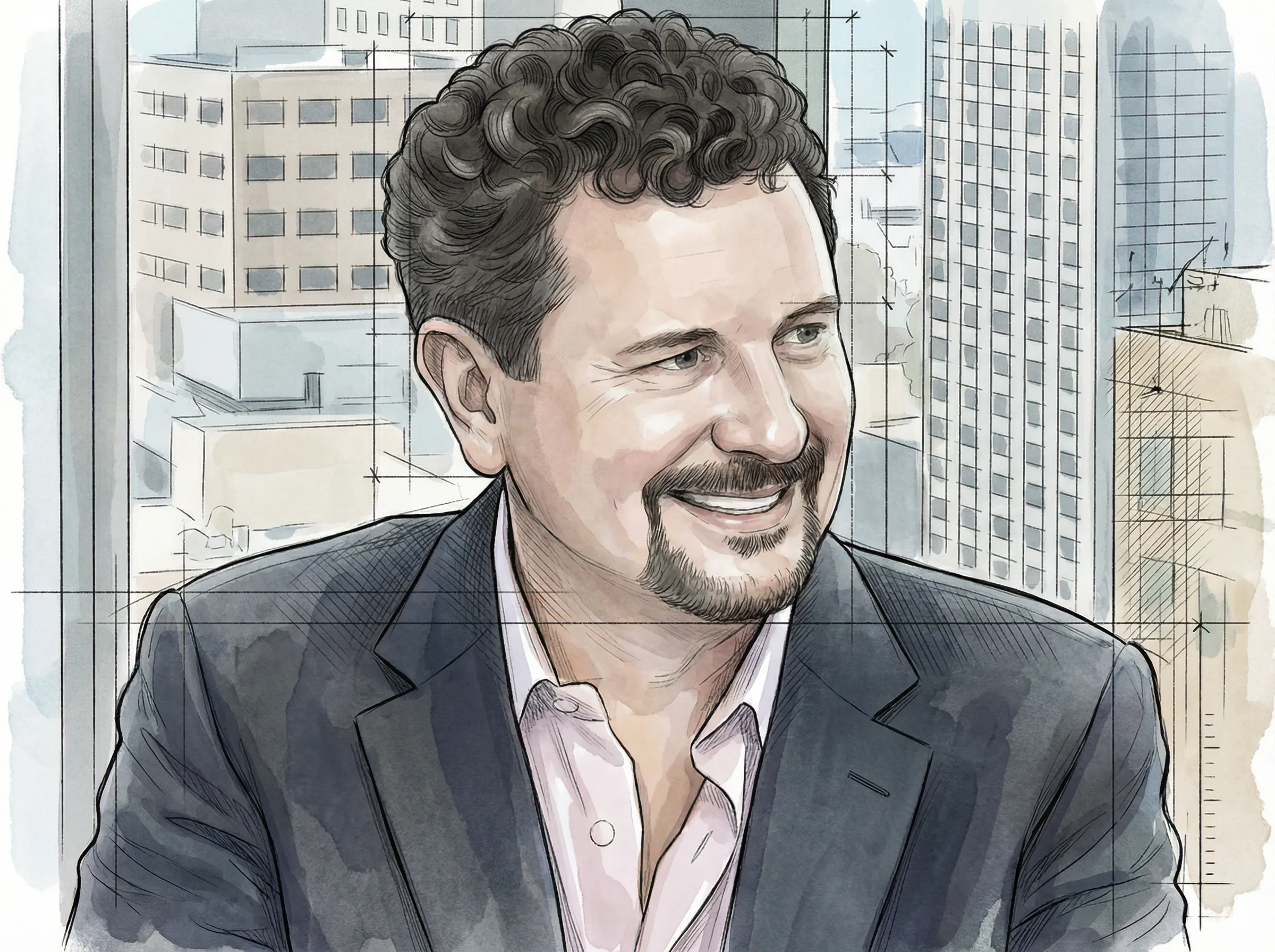
Tim Gullicksen, at Gullicksen Group at Corcoran Icon Properties, with more than 20 years of experience, describes the change as sudden and striking. After years of sluggish demand, he says, “Condos are getting multiple offers, and condos are going up in price again.” The shift marks a return to the fast-paced, competitive market that had largely disappeared in recent years.
COVID’s Lasting Impact
The pandemic reshaped San Francisco’s housing market in ways that set it apart from previous downturns. During 2020 and 2021, buyers rushed to secure private spaces, driving up demand for single-family homes and smaller properties. However, as interest rates climbed in 2022, the market split: single-family homes continued to appreciate, while condos saw declining values.
This divide was most pronounced in larger condo buildings, which struggled due to shared amenities and common spaces. Buyers avoided properties with elevators and communal areas, leading to steeper declines in value for these units. Even smaller Victorian conversions with private entrances lost ground, though not as sharply as high-rise condos.
Through 2025, this pattern persisted. Condominiums in full-service buildings faced the greatest price drops, while single-family homes held their value or continued to rise. The pandemic’s legacy – a preference for privacy and control over one’s living environment – continued to influence buyer decisions long after restrictions eased.
Rental Market Signals the Turnaround
The first hints of a recovery appeared in the rental market in late spring and early summer of 2025. After years of high vacancy rates and falling rents, demand surged unexpectedly. Well-paid professionals began competing for limited rental inventory, often offering more than $5,000 per month to secure a unit.
Gullicksen points to this surge in rental demand as an early indicator of renewed interest in home buying. As rents climbed and competition intensified, many renters reconsidered the value of purchasing. By January 2026, this shift became clear as buyers re-entered the for-sale market, leading to increased activity and higher prices, particularly for condos.
Return of San Francisco’s Pricing Strategy
San Francisco’s approach to pricing has always set it apart from other major markets. Instead of listing homes at aspirational prices and negotiating downward, agents routinely price properties 10% to 30% below estimated value to attract multiple offers. This strategy requires both buyer confidence and a competitive environment – conditions that had faded during the downturn but have now returned.
A recent example underscores the market’s renewed intensity. A tenants-in-common property with significant drawbacks – shared laundry, tandem parking, restrictions on converting to condos, and outdated interiors – was listed at $899,000. Despite these challenges, the property drew over 40 agents requesting disclosures in its first week and ultimately sold for nearly $1.4 million, far above expectations. “It’s like the last few years never happened, and we’re back in 2019. It’s the same kind of energy,” Gullicksen says.
AI Economy’s Influence on Buyer Behavior
While headlines often focus on the impact of artificial intelligence companies and their employees, the effect on the housing market is more indirect. Gullicksen notes he hasn’t personally worked with AI industry buyers, but their presence is felt through the heightened competition they help create.
The influx of high-earning tech workers, including those in AI, has contributed to the renewed confidence and bidding wars now seen at open houses and broker tours. Even buyers outside the tech sector are influenced by the sense of urgency and competition that these new entrants bring to the market.
“The way our market works, you need confidence, and what causes confidence is other people competing for the place you want to buy,” Gullicksen says. The return of crowded open houses and aggressive offers suggests that the market’s psychological drivers are fully engaged again.
Geographic Trends
Single-family homes remain the strongest performers across all neighborhoods, including areas that struggled in past downturns. Even neighborhoods along the Pacific coast and south of Highway 280, which were hit hard during the 2008-2009 recession, are now in high demand.
Gullicksen attributes this to several factors: buyers want private outdoor space, prefer to avoid homeowners association restrictions, need room for families and pets, and recognize that single-family homes are a shrinking share of San Francisco’s housing stock as new construction favors condominiums.
“Anywhere there’s a single-family home in San Francisco, even in some of the neighborhoods that haven’t been as popular or are considered less walkable or have really foggy weather, does not matter – if it’s a house, it’s going to sell,” he says. For condominiums, demand has rebounded most strongly for units with private entrances or smaller buildings, while large, full-service buildings continue to recover more slowly.
Investor Outlook
For investors, the landscape is mixed. Larger multifamily buildings (five units and above) offer lower per-unit costs but come with financing hurdles and strict rent control laws. These factors limit upside and complicate cash flow projections. Condominiums, on the other hand, are not subject to rent control for new owners, but their prices often make it difficult to generate positive cash flow using traditional loans.
Gullicksen cautions that even deep-pocketed investors can find San Francisco’s market frustrating. “No matter how much money you have in San Francisco, our real estate market is going to disappoint you,” he says, pointing out that even Silicon Valley executives sometimes struggle to find value. Despite these challenges, he maintains that demand remains strong, as buyers are willing to compete aggressively for the right property.
Technology’s Expanding Role
Gullicksen uses artificial intelligence tools to streamline aspects of his business, such as drafting property descriptions, but remains cautious about relying on AI for more complex tasks, such as reviewing disclosures. “I do not trust it to read disclosures yet – it hallucinates too much,” he says, noting the current limitations of the technology.
However, he is adapting his marketing to reach buyers who increasingly use AI-powered search tools to find agents and properties. This shift highlights the growing role of technology in shaping how buyers and sellers connect, even as personal expertise and relationships remain central to successful transactions.
Outlook for 2026
Looking ahead, Gullicksen is optimistic about the market’s prospects for the rest of 2026. The backlog of buyers who sat out during the interest rate increases is now fueling a wave of activity, with renewed confidence and strong competition driving sales.
“I think for the foreseeable future, we should have a really strong market this year,” he says, emphasizing that the current surge is not just about tech-driven demand but also reflects years of pent-up interest finally being released.
San Francisco’s rebound demonstrates how local factors can override national trends. As buyers adjust to higher interest rates and embrace the city’s competitive bidding culture, the market appears positioned for continued strength after a long period of uncertainty. Sellers who price strategically and offer homes that meet buyers’ renewed expectations are likely to see strong results, while buyers face the return of fast-moving deals and robust competition.
For investors, the market remains complex, with opportunities tempered by regulatory and financial challenges. Technology’s influence will likely continue to grow, but personal relationships and local expertise remain essential in navigating San Francisco’s unique real estate landscape.
After several years of hesitancy and slow sales, 2026 marks a decisive return to the city’s signature real estate dynamics – intense competition, strategic pricing, and a renewed sense of urgency among buyers. As market confidence builds, San Francisco once again stands out as a market where local patterns matter more than national averages, and buyers are willing to pay a premium to secure a place in the city.