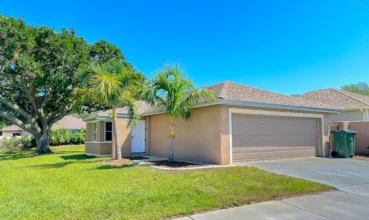
You find the right house in Marin County, negotiate a price within your budget, and then the insurance quote arrives: $4,800 a year — nearly double what you expected. Suddenly, your monthly payment jumps by $400, and the deal feels less certain. This scenario is now common for buyers and homeowners across Northern California, where insurance costs have become one of the biggest financial hurdles of 2026.
After years of steady premium increases, California homeowners are facing a sharply different reality. Wildfire risk, a surge in statewide claims from natural disasters, and major insurers leaving the market have all driven costs higher — and in some cases, made coverage difficult to secure.
Why Insurance Costs Are Spiking
Insurance premiums in Marin County and throughout California have increased substantially over the past two years. Some insurers have stopped writing new policies in the state, while others are raising rates and tightening their coverage requirements.
Bernard Link, lead agent at The Bernard Link Group at Compass in Marin County, says the shift is clear. “Insurance companies are much more discretionary about the condition of the house, and sometimes demand certain things be fixed before they’ll actually insure the house,” he explains.
The main factor is wildfire risk. Insurers have paid out billions in fire claims over the past decade and are now reevaluating which homes they will cover. Some have left California entirely, while others require homes to meet stricter standards — such as updated roofing, defensible space around the property, or fire-resistant landscaping — before issuing a policy.
For buyers, insurance is no longer a minor detail. It can add hundreds to monthly costs or even jeopardize a closing if coverage can’t be arranged in time.
Steps to Protect Yourself
If You’re Buying
Request an insurance quote before making an offer. Waiting until you’re under contract can jeopardize your purchase if you can’t secure coverage. Lenders require proof of insurance before closing, and if you’re unable to obtain it, the transaction may fall through.
Check if the home is in a high-risk wildfire zone. Properties in these areas may need additional coverage or must meet stricter requirements. Your real estate agent or insurance broker can help assess the property’s risk level before you commit.
Build higher insurance costs into your budget. For financed purchases, include realistic premium estimates in your monthly payment calculations. A home that appears affordable at $2 million could become much pricier if insurance adds $400 or $500 a month.
If You Already Own
Shop for new policies 30 to 60 days before your current policy renews. Rates are changing quickly, and some insurers are reducing their presence or exiting the state. Don’t assume your current provider will renew your policy — or keep the same price.
Consider increasing your deductible to manage premium costs. A higher deductible can lower your monthly expenses, but make sure you have enough savings to cover it if you ever need to file a claim.
Report any recent upgrades to your insurer. Improvements like a new roof, updated electrical systems, or fire-resistant landscaping can sometimes qualify you for discounts that lower your premium.
If You’re a Landlord
Check your policy to ensure it covers rental activity. Standard homeowner policies often exclude rentals so that you may need a dedicated landlord policy for proper coverage.
Adjust your rental income calculations to include insurance costs. If premiums rise, you may need to raise rents or absorb the higher expense, which directly affects your returns.
How to Assess Your Risk
Determine your property’s wildfire risk zone. The California Department of Forestry and Fire Protection maintains maps that show high-risk areas. Enter your address to see if your home’s location could affect your insurance options or costs.
Review your coverage for exclusions. Contact your agent and ask about what is not covered under your policy. Some insurers are adding new exclusions for specific types of damage, so it’s important to know your actual protection before a claim arises.
Ask about required property upgrades. If your home is older or hasn’t been updated recently, ask your insurer if certain improvements — such as a new roof or modernized electrical — could help you qualify for coverage or reduce your premium.
Key Pitfalls Buyers Overlook
Some insurance policies have a 30-day waiting period before coverage begins. If you’re buying during wildfire season or in a high-risk area, you can’t wait until the last minute to arrange insurance. Start the process as soon as you go under contract.
Many lenders require proof of insurance before closing, even if you’re still shopping for a policy. If you can’t provide this in time, your closing could be delayed, or the deal could fall apart.
The Bottom Line
Insurance in Marin County is now a central concern for buyers and owners — not just a routine line item. Premiums are rising, some insurers are leaving California, and coverage is harder to secure for certain properties. According to Link, buyers and owners need to pay attention to both costs and property condition. Get insurance quotes early, check wildfire risk zones, and don’t assume your old coverage will be renewed automatically.
Looking ahead, insurance costs are likely to remain volatile as wildfire risk and insurer participation continue to reshape the market. Buyers and homeowners who plan — by budgeting for higher premiums, upgrading properties for better eligibility, and staying informed about policy changes — will be best positioned to avoid surprises and protect their investments.
About the Expert: Bernard Link is Lead Agent and Team Lead at The Bernard Link Group at Compass in Marin County, California. With 25 years of experience in Northern California real estate, Link specializes in assisting buyers relocating from San Francisco and local sellers navigating a changing market.
This article is based on information provided by the expert source cited above. It is intended for general informational purposes only and does not constitute legal, financial, or real estate advice. Readers should conduct their own research and consult qualified professionals before making any real estate or financial decisions.