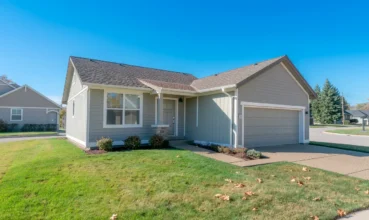
The pitch sounds irresistible: buy a condo near the coast, furnish it, find a tenant who stays three to six months, and collect rent while you do almost nothing. That story circulates widely among small investors eyeing San Diego’s midterm rental market in 2026. But operators actually running these properties say the reality is far more hands-on than new owners expect, and that gap between expectation and effort is where investors lose money.
Daniel Grandfield, Founder & Broker at Elysian Pads, a furnished rental management company overseeing roughly 80 midterm units in coastal San Diego, sees the misconception constantly. Owners come in believing that once a three-month tenant is placed, the work stops until turnover day. That belief, Grandfield says, is the single most common mistake new entrants make.
The assumption is straightforward: a midterm tenant is not checking in and out every few days like a vacation guest, so the property must require less attention. In practice, the operational demands shift rather than disappear.
A water leak in a neighboring unit can displace a tenant at 2 a.m. An HVAC system that was fine last month can fail when San Diego’s inland temperatures spike. A government contractor staying four months still expects the same responsiveness they would get at a hotel, faster, actually, because this is their temporary home. Grandfield says there are “a lot of maintenance calls, emergency calls that have to be performed” regardless of how long the guest is staying.
Turnover and Preventative Maintenance
The turnover process alone reveals how labor-intensive these properties are. Between tenants, Grandfield’s team deep-cleans every unit, shampoos carpets, steam-cleans furniture, and inspects every dish and utensil. Cleanings can take six to eight to ten hours, according to Grandfield. That is not a quick wipe-down between guests. It is closer to restaging an entire apartment from scratch.
That level of effort is not optional for operators who want to compete. Over the past couple of years, more inventory has entered San Diego’s midterm space as short-term rental operators pivoted to monthly stays. Tenants now have more choices. Properties that look tired or smell like the last occupant do not get rebooked. The standard has risen precisely because supply has grown.
Preventative maintenance adds another layer. Grandfield’s team uses vacancy windows – however brief – to service appliances, clean HVAC systems, and address small issues before they become expensive emergencies. Owners who skip this step because the property seems fine tend to face compounding repair bills later. “If it’s kind of in poor condition, you’re going to constantly have maintenance issues,” Grandfield says.
What Makes Economics Work
None of this means midterm rentals are a bad investment in San Diego. Grandfield reports occupancy above 90 percent annually across his portfolio, and rents run roughly 1.5 to 2 times what a traditional long-term lease would generate on the same unit. The economics can work – but only when the owner budgets for the operational cost that makes those higher rents possible.
For buyers considering a condo or townhouse purchase in coastal San Diego with midterm rental income in mind, the calculus should include not just furnishing costs and mortgage payments, but ongoing cleaning crews, maintenance reserves, and either a significant time commitment or a management fee. The gap between what a furnished unit earns and what an unfurnished annual lease earns is real, but so is the gap between actual operating costs and the near-zero effort many buyers imagine.
Pricing as a Weekly Discipline
Grandfield adjusts pricing weekly across his portfolio to stay competitive, evaluating each unit against current demand and nearby listings. That kind of active management is table stakes in a market where supply has grown, and tenants can comparison-shop across Airbnb, Furnished Finder, Zillow, and direct booking channels simultaneously. Owners who treat pricing as a set-once decision rather than a weekly evaluation risk extended vacancies, and Grandfield says that when a unit sits empty longer than expected, the cause is almost always price.
The midterm rental model in San Diego can deliver strong returns, but it functions as an active business, not a passive hold. Buyers who understand that distinction before purchasing are the ones whose numbers actually work once the first tenant moves in.
About the Expert: Daniel Grandfield is Founder and Broker at Elysian Pads, managing approximately 80 furnished rentals in coastal San Diego with a focus on midterm stays of one to six months.
This article is intended for informational purposes only and does not constitute legal, financial, or investment advice. The views and opinions expressed herein reflect those of the individuals quoted and do not represent an endorsement of any company, product, or service mentioned. Readers should conduct their own due diligence and consult qualified professionals before making any investment decisions.