Out-of-state investors scanning social media for short-term rental opportunities in Salt Lake City are running into a problem on the ground: multiple areas across the valley and surrounding cities are already restricting or banning nightly vacation rentals, and local policy is moving toward more restrictions, not fewer.
Nick Booth, a residential agent who works across the Salt Lake Valley, Park City, and surrounding counties, says the gap between what social media promotes and what local zoning actually allows has become a recurring issue in conversations with would-be investors. Some zones technically still permit short-term rentals today, but the regulatory direction is working against them. Booth tells investors considering the strategy plainly: “Don’t go down that route.”
As he put it about short-term rentals in Salt Lake’s surrounding areas: “The way that things are heading, it probably won’t be allowed much longer.”
A Regulatory Reversal
Salt Lake City and Utah more broadly once leaned into the short-term rental trend. Ski resorts, outdoor recreation, and steady tourist traffic made Airbnb-style properties look like reliable income generators. But as the metro has grown – attracting corporate relocations, a new NHL team, and infrastructure spending ahead of the 2032 Olympics – local governments have started prioritizing housing supply for residents over tourist accommodations.
For an investor who buys a property banking on short-term rental income, this creates direct financial exposure. A home purchased in a zone that currently allows nightly rentals could fall on the wrong side of a zoning change within a year or two. The income model underwritten at purchase disappears, and the property needs to generate revenue a different way.
Medium-Term Rentals Are Gaining Traction
What Booth is seeing gain traction instead is medium-term rentals – leases of roughly three to nine months aimed at traveling nurses, workers on temporary assignments, or families in town for extended personal reasons. Hotels and short-term rentals get expensive for stays stretching beyond a week or two, and furnished medium-term rentals fill that gap at a cost tenants can sustain longer.
The catch is that medium-term rentals are not a simpler version of the Airbnb model. The property has to be furnished, maintained, and located for the specific tenant profile an investor is targeting. A traveling nurse working at a Salt Lake hospital has different location and condition requirements than a professional athlete relocating for a season. Booth noted that the condition bar is real: “Those houses have to be in a specific condition.”
Where the Numbers Work
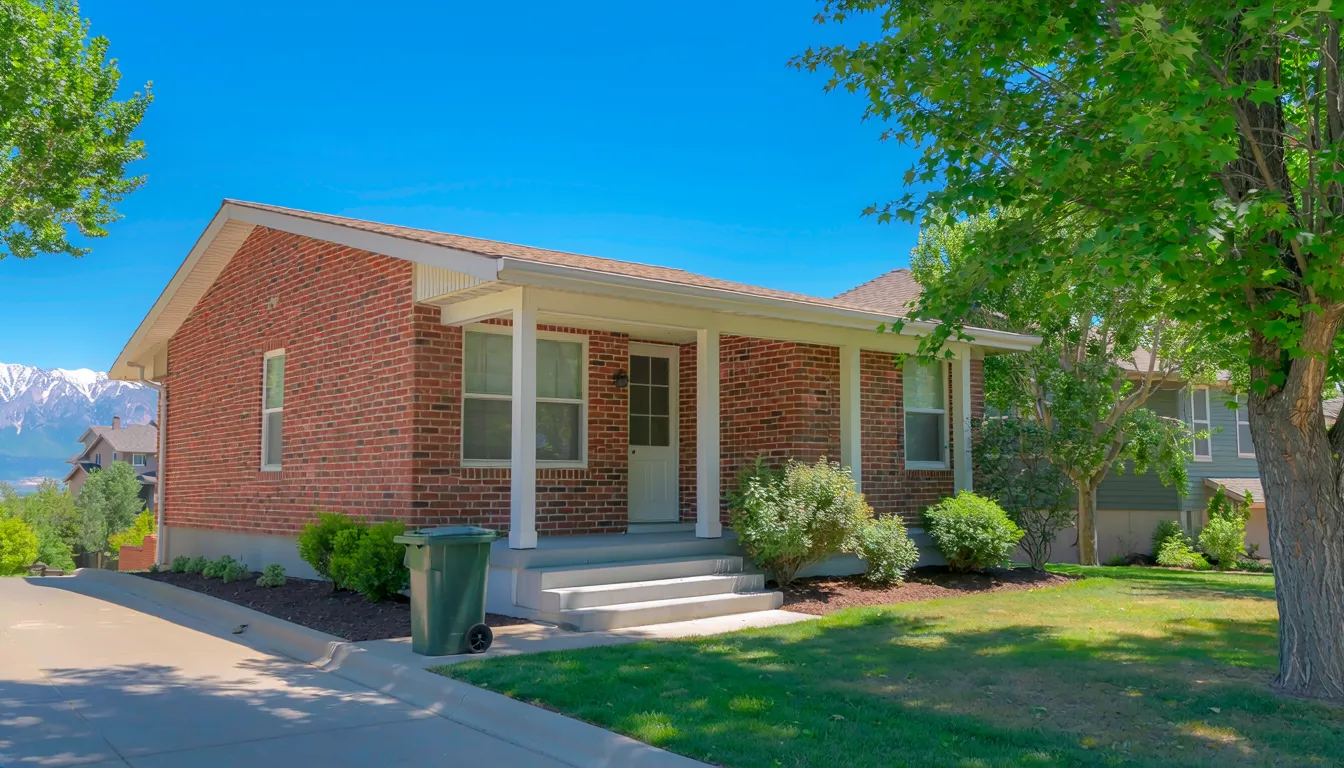
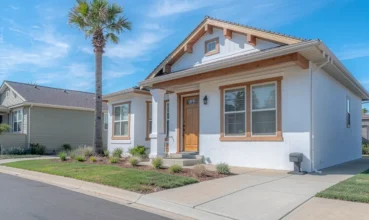
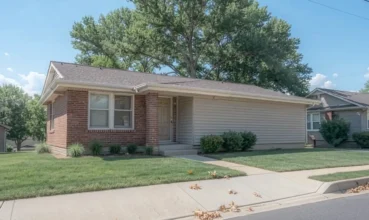
For investors willing to do the preparation, Booth pointed to Murray, Cottonwood Heights, Taylorsville, and West Valley as areas where rental properties pencil out. Many homes in these neighborhoods have been owner-occupied for 30 or 40 years and are now hitting the market as longtime residents sell. The structures are sound – they just need cosmetic updates. Booth described these properties as needing “a little bit of love and some care.”
Rental regulations in those cities are also more permissive than in some of Salt Lake’s tighter zones, according to Booth – a factor that matters when building a rental income model that needs to hold up over years, not months.
A Buyer’s Market With Long-Term Constraints
The Salt Lake Valley as of September 2026 is in a buyer’s market, with inventory sitting longer than sellers expect. Booth says homes that are priced accurately and present well still sell quickly – some within a day or two – while overpriced or poorly presented listings sit for 100-plus days. For investors, that dynamic means acquisition pricing matters. Overpaying or underestimating renovation costs on an older home can undercut the rental math quickly.
At the same time, Salt Lake’s buildable land is shrinking. Booth says local planners project the valley could be largely built out within 20 years. That constraint, combined with ongoing corporate relocations, Olympic preparation, new professional sports teams, and university expansion, is pushing sustained demand into the market.
Booth frames the buying decision directly: “The best time to buy was 10 years ago. Let’s get something going right now because the house prices are just going to continue to rise.”
For investors, the implication is that medium-term rental properties purchased at current buyer’s-market pricing may benefit from both rising rents and appreciating values over time – but only if the regulatory landscape for medium-term arrangements remains stable. The same political pressure that squeezed short-term rentals out of many Salt Lake zones could eventually reach medium-term leases, particularly as competition for housing between residents and investors intensifies in a valley with a finite land supply.
About the Expert: Nick Booth is a real estate agent based in Salt Lake City, Utah, working primarily in the Salt Lake Valley.
This article is intended for informational purposes only and does not constitute legal, financial, or investment advice. The views and opinions expressed herein reflect those of the individuals quoted and do not represent an endorsement of any company, product, or service mentioned. Readers should conduct their own due diligence and consult qualified professionals before making any investment decisions.