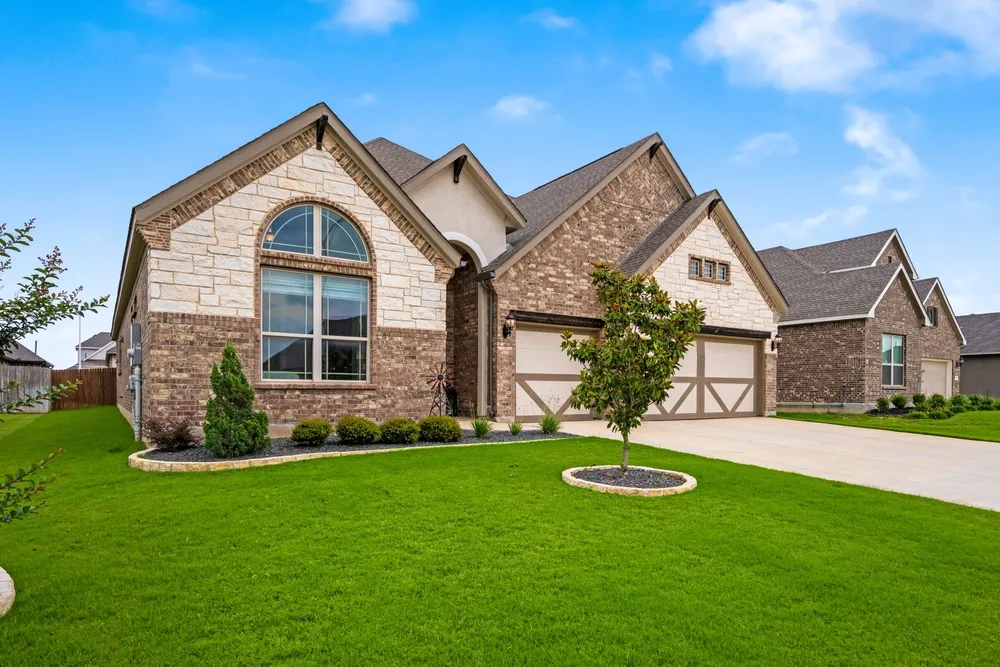
The pandemic-era suburban boom that pushed buyers into the far reaches of the Dallas-Fort Worth metro is unwinding. Properties in outer markets are struggling to attract buyers while demand reconcentrates closer to established urban nodes, according to Yaron Yashar, a Realtor at Fathom Realty who works primarily in the north DFW corridor.
For investors who entered outer suburban markets during 2020 and 2021, the shift carries real consequences for valuations, rental demand, and exit timelines.
The Pandemic Thesis Is Running in Reverse
When remote work became the norm in 2020, buyers flooded outer DFW suburbs seeking more land, more bedrooms, and distance from density. Markets like Anna, Melissa, Princeton, and Celina absorbed significant demand and saw prices rise accordingly. That dynamic, according to Yaron, is now moving in the opposite direction.
Yaron, who is based in Plano and works extensively with investors across the metro, says homes in those outer markets are accumulating days on market in ways that more centrally located suburbs are not. “The suburbs that are far away, the market is declining there,” Yaron says. “Homes are sitting on the market and there’s just not enough buyers because less people want to live far away.”
What Buyers Are Gravitating Toward Instead
Yaron attributes the reversal to a preference shift back toward proximity – to employment centers, entertainment, schools, and infrastructure. As return-to-office mandates have expanded and hybrid schedules have become more common, the calculus of living far from a major highway has changed for many households.
“More people want to get back as close as possible to prime locations, close to uptown, close to north Dallas area, closer to Plano, where you have major highways and lots of attractions and museums and good schools and lots of things to do for entertainment,” Yaron says.
This preference for amenity access and commute efficiency is concentrating demand in established suburban nodes – areas like Plano, Frisco, and parts of north Dallas – while leaving outer markets with excess inventory and fewer qualified buyers willing to absorb it.
The pricing implication is direct: when supply outpaces demand in a given submarket, sellers face pressure to discount, and buyers who do engage have more leverage. For investors holding properties in those outer markets, the combination of longer vacancy periods and downward price pressure can compress returns.
Pockets That Still Move Quickly
Not all DFW exposure is equal. Yaron notes that properties in high-demand pockets – particularly those zoned for top-rated schools or located near significant amenities like synagogues, churches, or entertainment – continue to sell quickly. The divergence between those pockets and the outer suburban markets is widening.
For investors evaluating new acquisitions in DFW, Yaron’s ground-level read suggests that submarket selection has become more consequential than it was during the broad-based appreciation cycle of 2020 to 2022. Proximity to core infrastructure and employment – not just cost per square foot – is the more relevant filter.
How One Investor-Focused Team Is Responding
Yaron and his wife Gail run Dallas Homes Realty Group under Fathom Realty. The team works with investors across a range of strategies – buy-and-hold rentals, flips, short-term rentals, and the BRRRR model – and Yashar says the emphasis on location quality has become central to how he advises clients entering the market today.
“What to avoid is paying the inflated prices of what real estate was worth three years ago,” Yaron says. He steers clients toward properties in areas with durable demand drivers – school ratings, highway access, and proximity to employment – rather than chasing lower costs in markets where buyer and renter interest has thinned.
One recent deal illustrates the approach. An Austin-based client, referred through word of mouth, purchased a four-bedroom, three-bath home with a pool in Allen, Texas for $430,000 – negotiated down from a list price of approximately $475,000. Because the property was updated and move-in ready, the team listed it for rent at $3,700 per month and secured a tenant within seven days.
For sellers in this environment, Yaron says the path to a faster sale runs through preparation. Updating kitchens, replacing outdated fixtures, refreshing landscaping, and painting over dated finishes – even within a limited budget – makes the difference between attracting offers and accumulating days on market. Properties that lack those updates and sit outside prime locations face the longest timelines.
As return-to-office trends continue and the remote work premium fades from outer suburban pricing, the divergence Yaron describes between inner and outer DFW suburbs may become more pronounced. For anyone holding or considering assets in those outer markets, the ground-level signal suggests the thesis that drove 2020-era purchases deserves reexamination.
About the Expert: Yaron Yashar is a Realtor with Fathom Realty, leading the Dallas Homes Realty Group, covering the north Dallas-Fort Worth corridor for ten years.
This article is intended for informational purposes only and does not constitute legal, financial, or investment advice. The views and opinions expressed herein reflect those of the individuals quoted and do not represent an endorsement of any company, product, or service mentioned. Readers should conduct their own due diligence and consult qualified professionals before making any investment decisions.