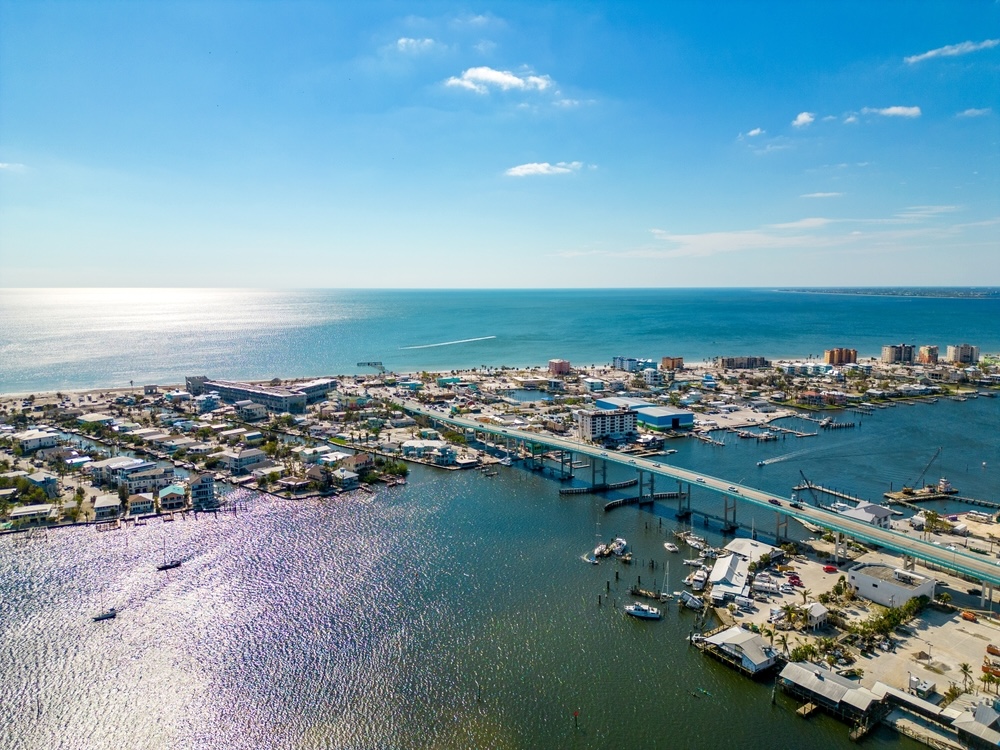
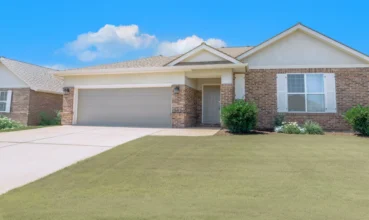
For the past three years, buying a home on Florida’s Gulf Coast has come with a hidden cost that shows up long after the purchase contract is signed: insurance. Carriers pulled out of the state in large numbers, leaving many coastal homeowners with limited options and sharply higher premiums. What experts working in these markets are now observing is that this picture has improved more than most buyers realize, and that the recovery is rooted in a policy fix – specifically, state legislation that tightened the rules around insurance litigation – not just market luck.
Behind the Crisis
Ed Taaffe, a realtor with Wagner Realty on Anna Maria Island, has watched the insurance situation reshape buyer decisions on the barrier islands off Sarasota and Bradenton over the past several years. His read on what caused the crisis – and what reversed it – differs from the narrative most buyers have absorbed from national news coverage.
The common assumption is that hurricanes drove Florida’s insurance problems. Taaffe argues the real cause was state laws that made it unusually easy to sue insurance companies in Florida, generating litigation costs that made the market unprofitable for carriers. The result was a steady exit of private insurers, leaving Citizens Insurance – the state-backed insurer of last resort – as effectively the only option for many coastal property owners. With no competition, premiums climbed.
The Legislative Fix
The fix came from the state legislature roughly two years ago, when the rules around insurance litigation were tightened. That change has since drawn roughly a dozen private carriers back into the Florida market, according to Taaffe. More carriers mean more competition, and more competition has started pushing premiums back down.
This matters for buyers because insurance costs on coastal properties represent a significant line item in annual ownership expenses, and because inflated insurance estimates have been baked into buyer hesitation for the past few years. Buyers who walked away from Gulf Coast properties, or who negotiated hard on price specifically because of insurance concerns, may be working from assumptions that are now outdated.
What This Means for Buyers
Taaffe is careful not to oversell the recovery. Coastal property insurance will never be cheap. A home on a barrier island in the Gulf of Mexico carries real exposure, and carriers price that into their premiums regardless of the competitive environment. What has changed is the degree of premium inflation that resulted from effectively having one carrier. “The floor has not dropped, but the ceiling has come down,” he says.
For buyers evaluating a specific property, the practical step is to get current insurance quotes from multiple carriers rather than relying on estimates from a year or two ago, or on figures provided by the seller. The market has moved, and older numbers – whether they were used to justify a lower offer or to set expectations about carrying costs – may no longer reflect what a buyer will actually pay.
The insurance recovery also affects the rental math that drives much of the Anna Maria Island buyer pool. More than 70 percent of properties on the island are used as rentals, according to Taaffe, and the majority of buyers are either investors or second-home owners who plan to rent them out when they are not using them. For that kind of buyer, insurance is a direct input into whether rental income covers carrying costs. When insurance was at its peak, that math was harder to make work. As premiums come down, the numbers improve.
A Recovering Market
The broader point is that Florida coastal real estate has carried a reputation for insurance dysfunction that was accurate two or three years ago but is less so now. Buyers who have been avoiding the Gulf Coast specifically because of insurance concerns should know that the market structure has changed. Carriers are back. Competition exists. Rates are moving in the right direction.
One thing worth watching: the return of private carriers is still relatively recent, and the Florida insurance market has a history of volatility. A significant hurricane season could change the calculus again. Buyers should treat the current improvement as a real development, not a permanent guarantee.
Larger Implications
On Anna Maria Island specifically, Taaffe notes that roughly 75 percent of buyers pay cash, which means many do not require insurance as a condition of purchase, unlike financed buyers. But even cash buyers carry insurance, and the cost affects what they are willing to pay for a property. As that cost comes down, the friction it was adding to transactions comes down with it.
For sellers, the implication is that one of the strongest objections buyers have raised in recent years – unpredictable and elevated insurance costs – is weakening. Properties that sat because the total cost of ownership felt too high may find a more receptive audience as the insurance picture stabilizes. For buyers, the takeaway is simpler: get fresh quotes, run updated numbers, and avoid making decisions based on a market that no longer exists.
About the Expert: Ed Taaffe is a realtor with Wagner Realty on Anna Maria Island, Florida, specializing in residential sales on the barrier islands off Sarasota and Bradenton.
This article is intended for informational purposes only and does not constitute legal, financial, or investment advice. The views and opinions expressed herein reflect those of the individuals quoted and do not represent an endorsement of any company, product, or service mentioned. Readers should conduct their own due diligence and consult qualified professionals before making any investment decisions.