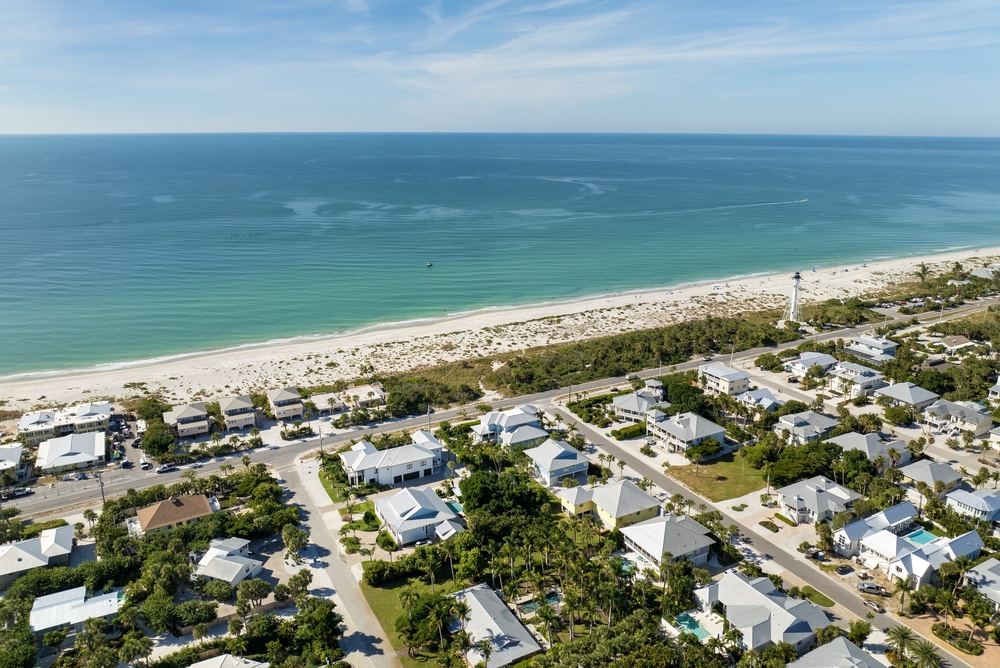
A chain reaction is moving through South Florida, one county at a time. The local real estate market is running a slow migration north, and affordability is doing the pushing. People who bought in Miami are cashing out and heading to Broward. People who bought in Broward are eyeing Palm Beach. And buyers from up north are skipping Miami entirely and landing somewhere more affordable from the start.
Denice Landaeta, founder of Dluxuss Group with Coldwell Banker, has watched this migration pattern up close. She works across Miami-Dade, Broward, and Palm Beach counties, so she sees exactly where people are going and why. Her read: each county is becoming an escape valve for the one to its south.
The Broward Sweet Spot
For Miami buyers who want to stay in South Florida, Broward has become the place where the math starts to work. Broward County, home to cities like Weston, Pembroke Pines, Miramar, and Parkland, has become the go-to landing spot for locals who want to stay in South Florida without paying Miami prices.
What are they getting? Bigger homes. Quieter neighborhoods. Good schools. And in many cases, new construction options that simply don’t exist at the same price point in Miami-Dade.
Landaeta recently worked with clients who sold a $1.5 million home in Weston and bought a brand-new home under construction in Port Saint Lucie for $450,000. It’s increasingly hard for some people to argue with that math.
According to Landaeta, the areas consistently performing well in Broward are Parkland, Weston, Miramar, and Pembroke Pines. These communities offer the combination of established neighborhoods and relative value that buyers from Miami are actively seeking.
Where Things Are Trickier
Not every pocket of Broward is performing equally well. Landaeta flags one segment that’s genuinely struggling: 55-plus condo communities in areas like Tamarac and Sunrise.
The main issue is special assessments. Following Florida’s condo inspection and reserve laws, passed after the 2021 Surfside building collapse, older condo buildings face major repair bills. Those costs are being passed on to unit owners as assessments, sometimes totaling tens of thousands of dollars. “Some of them can’t pay for it,” Landaeta says. Her team currently has several 55-plus units on the market that are proving very difficult to sell.
If you’re considering a condo purchase in South Florida, especially in an older building, be sure to ask for the building’s reserve study, recent inspection reports, and any pending or approved assessments before making an offer. This kind of due diligence is no longer optional.
The Latin American Factor
One buyer pool that’s been quietly growing again: Latin American buyers, particularly from Argentina, Brazil, and other South American countries. Landaeta, who is part of the National Association of Hispanic Real Estate Professionals, says activity among this group slowed for a period but has been returning over the last year and a half.
Many of these buyers are focused on rental income, purchasing single-family homes or small multi-family buildings and holding them for long-term returns. “They’re always cautious at first,” Landaeta says, “but eventually the ones who know they’re in good hands invest and build their portfolios.”
What to Watch
Several developments could push demand higher across South Florida in the near term. Major companies continue opening offices in Miami: more than 74 moved their headquarters to Florida between 2020 and 2025, more than any other state. Citadel, Microsoft, Blackstone, Goldman Sachs, and Amazon are among the companies that have expanded or relocated operations to the area in recent years.
Also, the FIFA World Cup is approaching, bringing international attention and visitors who may decide to make a purchase. And the ongoing migration of wealthy individuals – Landaeta notes that more than 10 billionaires have recently relocated to the area – creates ripple effects throughout the surrounding counties.
“When you have huge companies putting offices here and billionaires moving to Miami,” she says, “you’re going to see a change in the whole area.” The practical effect is that the demand pressure originating in Miami-Dade accelerates the movement north.
How Buyers Are Responding
If you’re buying in Broward, consider focusing on Parkland, Weston, Miramar, and Pembroke Pines for the best combination of value and long-term stability. School district ratings drive demand and protect resale value.
If you’re considering a condo, do serious due diligence on the building’s financials. Avoid buildings with deferred maintenance and unclear reserve funding. The assessment risk is real and ongoing.
If you’re a small investor, Landaeta recommends single-family rental homes in established neighborhoods with strong school districts as the entry point for building a portfolio. As capital grows, multi-family and small commercial properties become the next step.
If you sold in Miami and have cash, the move-up opportunity in northern Broward and southern Palm Beach is real. You can get significantly more home, often new construction, for a fraction of what the same lifestyle costs in Miami-Dade.
The Bottom Line
South Florida’s internal migration is still accelerating, and the direction is clear: north and inland, in pursuit of affordability without sacrificing quality of life. For buyers willing to look beyond Miami-Dade, the value gap between counties remains wide enough to act on – though rising demand in Broward and Palm Beach suggests that window may narrow over the next few years.
About the Expert: Denice Landaeta is the founder of Dluxuss Group with Coldwell Banker, working across Miami-Dade, Broward, and Palm Beach counties with a focus on the affordability-driven migration reshaping where South Florida buyers land.
This article is intended for informational purposes only and does not constitute legal, financial, or investment advice. The views and opinions expressed herein reflect those of the individuals quoted and do not represent an endorsement of any company, product, or service mentioned. Readers should conduct their own due diligence and consult qualified professionals before making any investment decisions.