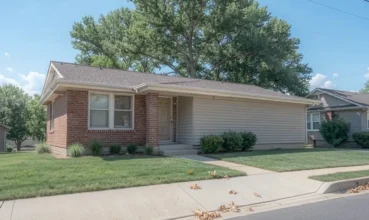
Buyers searching for homes in Greater Boston this spring are seeing a clear split: more properties are hitting the market, but only some are selling quickly. Suburban single-family homes are disappearing within days, often after bidding wars with a dozen or more offers. In contrast, Boston condos are sitting on the market, and sellers are learning that increased inventory does not always lead to faster sales.
Steven Novak, a licensed agent with Douglas Elliman who works across Greater Boston, sees this divide firsthand. In the suburbs, he says, any home priced competitively will usually sell within the first weekend, often with multiple offers. But in the city, properties tend to linger, and sellers must negotiate to close deals.
What’s Driving the Market?
The difference is immediately visible at open houses. In suburbs south or west of Boston, lines of buyers now form at showings, and competition is intense. Two months ago, showings were steady but manageable. Today, homes with updated kitchens, move-in-ready condition, and good school districts routinely draw 10 to 15 offers within days.
Novak recently worked with a buyer who lost several bidding wars before finally securing a home for $75,000 over the asking price. Every property they visited had 10 to 15 competing offers, reflecting the pressure buyers face in the suburbs.
In Boston’s condo market, the situation is reversed. Listings remain on the market for weeks, and sellers who expected quick sales are reducing prices or offering incentives. Buyers have the luxury of touring multiple units and negotiating terms — an option suburban buyers no longer have.
Segment Breakdown
Suburban Single-Family Homes (Under $800,000): This is the most competitive segment. Families seeking space and access to strong school districts are bidding aggressively, often waiving minor contingencies and paying well over the asking price. Move-in-ready homes are typically under contract after the first weekend.
Suburban Fixer-Uppers: These homes are taking longer to sell than in past years. High renovation costs have made buyers less interested in homes that require work. Novak notes that “it’s so expensive to renovate now that it’s not as attractive for people to buy fixer-uppers.” Sellers with these properties must price them significantly below the prices of updated homes to attract interest.
Boston Condos (All Price Points): While inventory has increased, demand remains flat. Buyers are taking their time, and sellers are offering closing cost credits, price cuts, and other incentives. Units not priced correctly from the start often remain on the market for more than 30 days.
Luxury Properties (Over $1 Million): These homes are moving slowly in both the city and the suburbs. Buyers in this segment are more cautious, resulting in fewer showings and longer days on market.
What Sells Quickly
Move-In-Ready Homes: Buyers want updated kitchens, new bathrooms, and fresh paint. Homes that present well and require no immediate work attract the most attention. Properties that look ready for social media are drawing the strongest interest.
Suburban Single-Families with Yards: Families are prioritizing outdoor space. Homes with fenced yards, decks, or patios receive more offers than similar properties lacking outdoor features.
Aggressively Priced Suburban Homes: Sellers who price at or just below market value are often rewarded with bidding wars. Even in desirable neighborhoods, overpriced homes are being ignored.
What’s Lingering on the Market
City Condos: Even well-maintained units sell more slowly. Higher property taxes and interest rates are making condos less appealing to both buyers and small investors.
Fixer-Uppers: The high cost of labor and materials has made major renovations unaffordable for many buyers. Homes needing significant work are being bypassed, even when listed below market value.
Homes on Busy Streets: Properties located on high-traffic roads are receiving fewer offers, even with price reductions. Buyers are seeking quiet, walkable neighborhoods over convenience to major roadways.
For Buyers and Sellers
For Suburban Buyers: Be prepared to move quickly and to offer above the asking price. Secure mortgage pre-approval before touring homes, and consider strengthening your offer with a high inspection cap or larger down payment. In multiple-offer situations, there is little room for negotiation.
For City Condo Buyers: Take advantage of the slower pace. Tour several units, compare pricing, and consider making lower offers on listings that have been on the market for more than two weeks. Sellers are more open to negotiation in this segment.
For Suburban Sellers: Set a realistic price from the start. If your home is move-in-ready, expect multiple offers within the first weekend. If the property needs work, either price it well below updated comparables or invest in key upgrades before listing.
For City Condo Sellers: Adjust expectations about price and timeline. If your unit sits for more than two weeks, offer closing cost credits or other incentives. Ensure your home is staged effectively and that listing photos are professional.
The Outlook for Spring
Greater Boston’s spring inventory increase is real, but the benefits are not evenly distributed. Suburban single-family homes remain the most sought-after, while city condos give buyers more leverage and time to negotiate. Novak sums it up: “It’s a very different environment depending on where you’re looking.” Buyers and sellers need to understand which market segment they are in and adjust their strategies accordingly.
About the Expert: Steven Novak is a Licensed Real Estate Agent at Douglas Elliman, serving Greater Boston and the surrounding suburbs. He specializes in luxury properties, investor portfolios, and both city and suburban markets.
This article is intended for informational purposes only and does not constitute legal, financial, or investment advice. The views and opinions expressed herein reflect those of the individuals quoted and do not represent an endorsement of any company, product, or service mentioned. Readers should conduct their own due diligence and consult qualified professionals before making any investment decisions.